
8 local Indian foods loved around the world
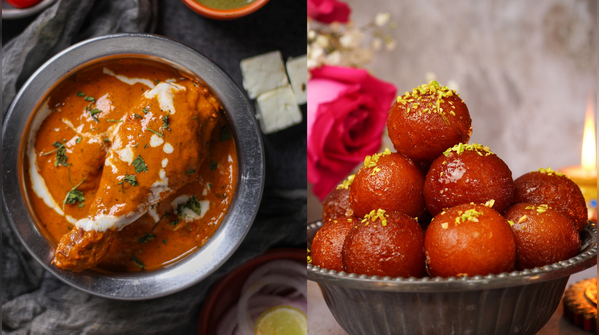
8 local Indian foods loved around the world
Indian food has a rare kind of reach. A dish can begin as a street-side snack in one part of the country, then reappear years later on restaurant menus far beyond India, carrying its history with it. That is part of the charm of Indian cooking: it is deeply local, yet endlessly portable. Some dishes have travelled with migrants, some with trade, and some simply because they are impossible to forget after one bite. Here are eight local Indian foods that the world has come to love.
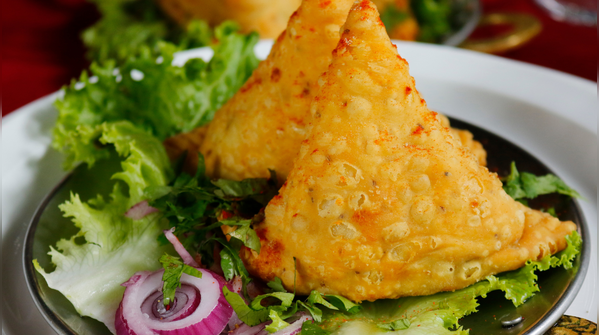
Samosa
Few snacks have crossed borders as neatly as the samosa. Crisp on the outside and spiced within, it is best known as a street food across South Asia, but it is also found around the world through the South Asian diaspora. What makes it so durable is its balance: familiar enough to feel comforting, yet bold enough to stand out in any food culture. It is one of those rare snacks that works as a quick bite, a tea-time companion, or a festive plate-cleaner.
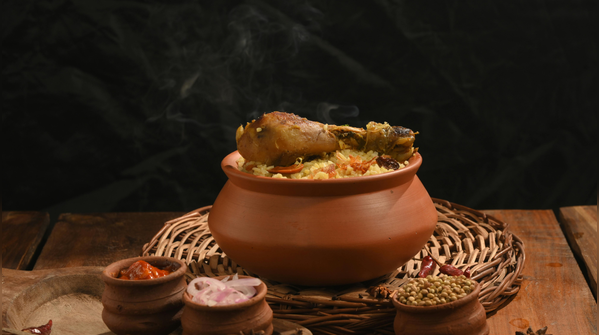
Biryani
Biryani is not just a meal; it is an event. Records place it in India’s Deccan region, and over time it spread across the subcontinent in many local forms. That versatility is a big reason it has travelled so well. Variations are now found in Sri Lanka, Malaysia, Thailand and Oman, each one carrying the same basic idea but a different accent. Biryani has the kind of aroma and depth that makes it feel celebratory anywhere in the world.
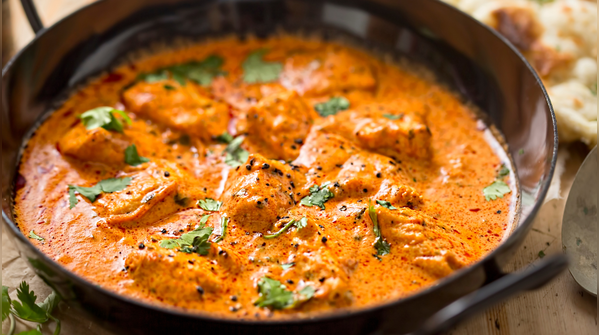
Butter chicken
Butter chicken is the kind of dish that turns first-time diners into regulars. Origin stories place it in Delhi, and it gained popularity in the early years of independent India before becoming a fixture on Indian restaurant menus worldwide.
Part of its appeal lies in balance. The smoky flavour of roasted chicken, the buttery richness of the gravy and the mild sweetness of tomatoes create something deeply comforting without feeling overwhelming. Unlike many intensely spiced regional dishes, butter chicken travelled easily across cultures because it felt familiar even to people trying Indian food for the first time.
Its creamy tomato gravy, gentle spice and rich texture made it especially adaptable to global palates. It has also inspired countless riffs abroad, which is often the clearest sign that a dish has become part of the wider food imagination.
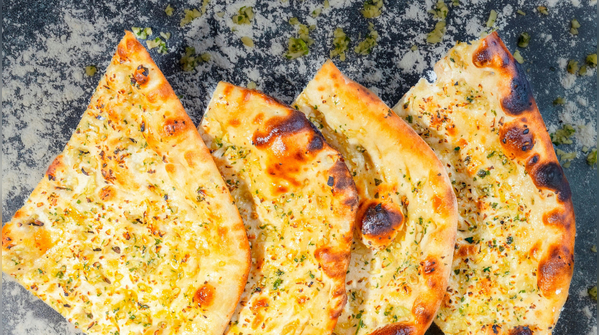
Naan
Naan has become one of the great diplomatic breads of world cuisine. It began in the Persian world and took root in India through centuries of cultural exchange, eventually becoming a staple on restaurant tables far from its early history. Today, it is easy to find worldwide in South Asian and Middle Eastern restaurants, and it has also slipped into fusion dishes like naan pizza. Soft, warm and built for scooping, it is less a side dish than a quiet essential.
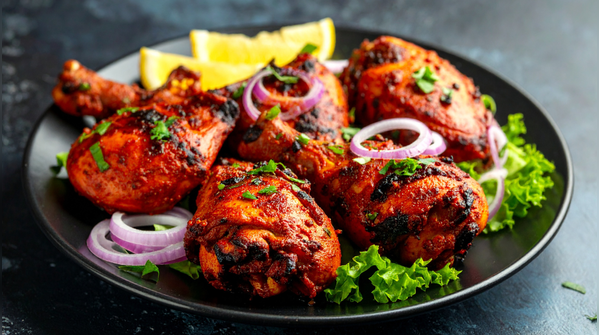
Tandoori chicken
If there is one dish that announces itself before it reaches the table, it is tandoori chicken. The smoky heat of the tandoor gave this dish an identity that travelled well, and it quickly became popular across South Asia, the Middle East and Western countries. Born in the north, it helped define the look and taste of modern Indian restaurant food abroad. For many diners, it is the first dish that makes Indian cooking feel both rustic and modern at once.
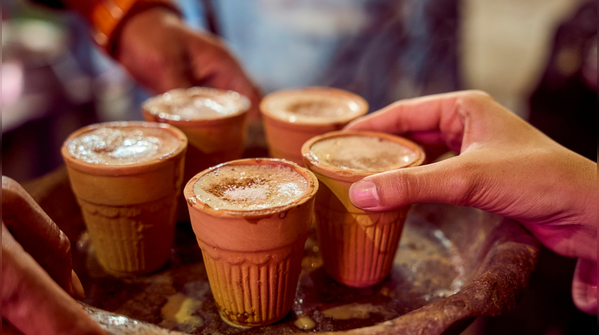
Masala chai
Masala chai carries a different kind of global fame. It is not just a drink; it is a ritual, a pause, a daily pulse. Britannica traces it to India’s tea culture, while more recent reporting shows how it has spread into coffee shops and tea rooms well beyond the subcontinent. In many places, its spiced warmth has become shorthand for comfort itself. The drink’s appeal lies in its simplicity: black tea, milk, sugar and spices, turned into something far more memorable.
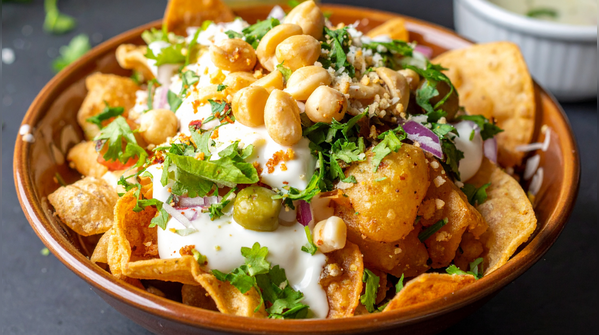
Chaat
Chaat is Indian street food at its most playful. It began in northern India and is now popular throughout South Asia and at Indian restaurants worldwide. That global success makes sense, because chaat is built on contrast: crunch against softness, sweet against sour, spice against cool yogurt. It is the kind of food that feels lively from the first bite. In an international setting, it often becomes a doorway into the bigger, noisier, more thrilling world of Indian snacks.
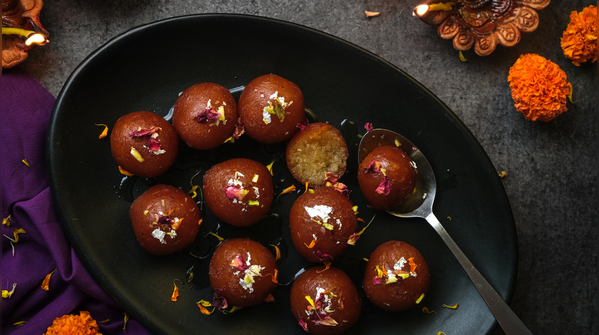
Gulab jamun
Some foods travel through memory rather than trends, and gulab jamun is one of them. This syrup-soaked sweet is deeply tied to celebrations across the subcontinent, but it is also widely found in countries with large South Asian communities and, more broadly, on Indian restaurant menus. Its appeal is obvious: soft, rich, fragrant, and unapologetically indulgent. It closes a meal the way a good story closes a chapter, with a little sweetness that lingers.
Featured In Food

MORE FROM ETIMES
life & style