
7 “normal” food habits that may quietly increase cancer risk
7 “normal” food habits that may quietly increase cancer risk
Cancer is rarely linked to obvious choices. It doesn’t arrive because of one bad meal or an occasional indulgence. Instead, research shows risk builds quietly, through habits so normal they barely register. Daily cooking shortcuts. Comfort foods eaten without thought. “Safe” packaged items trusted for years. Most people associate cancer risk with smoking or alcohol. Far fewer realise that how food is cooked, stored, reheated, and consumed repeatedly over time plays a significant role. Not because food is the enemy but because exposure adds up. These habits don’t trigger immediate harm. They work slowly, invisibly, and cumulatively. Here are seven everyday food habits, common across households, that studies suggest may increase cancer risk when practised regularly.
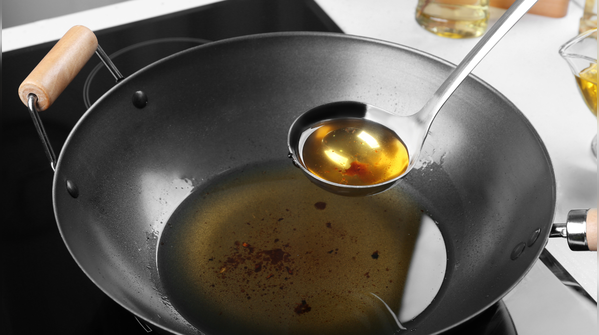
Reheating oil again and again
In many Indian kitchens, oil is reused because it feels practical. But once oil is heated past its smoke point and cooled, its structure changes. Reheating it produces aldehydes and polar compounds, which are linked to DNA damage and inflammation. Data from food safety studies show repeatedly heated oils increase oxidative stress markers in the body. The World Health Organization has also consistently warned against degraded fats, especially in high-heat cooking.

Eating charred or very dark grilled foods
That smoky, blackened edge on kebabs, rotis, or toast feels harmless. It isn’t. When food is burned, it forms heterocyclic amines (HCAs) and polycyclic aromatic hydrocarbons (PAHs), compounds shown to be carcinogenic in animal and population studies. The International Agency for Research on Cancer classifies several PAHs as cancer-causing, particularly linked to colorectal and pancreatic cancers.
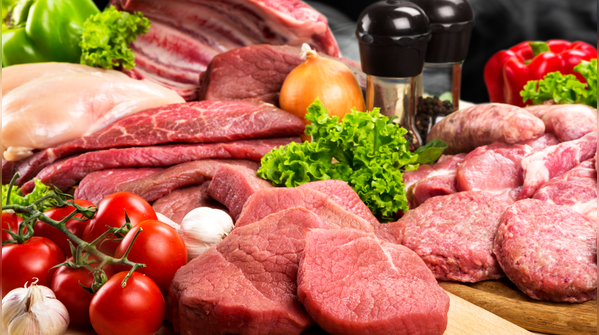
Treating processed meats as everyday protein
Sausages, bacon, ham, salami, even in small daily amounts, carry risk. Preservatives like nitrites and nitrates convert into N-nitroso compounds in the body, which damage gut lining cells. Large global studies show that 50 g of processed meat a day increases colorectal cancer risk measurably. This is one of the strongest diet-cancer associations ever documented.
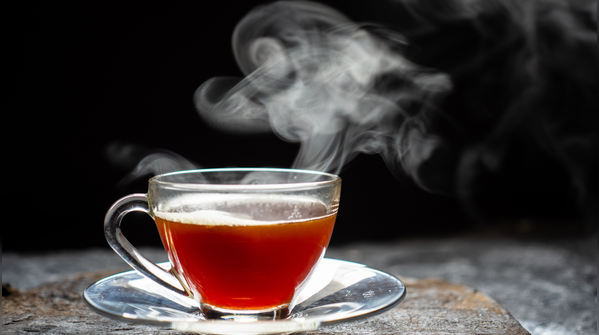
Drinking very hot beverages daily
Extremely hot tea, coffee, or kadha consumed daily can damage the lining of the oesophagus. Over time, repeated thermal injury may lead to abnormal cell changes.
Population data from regions where drinks are consumed above 65°C show higher rates of oesophageal cancer. Temperature, not the beverage itself, is the issue.
Relying on packaged “healthy” snacks
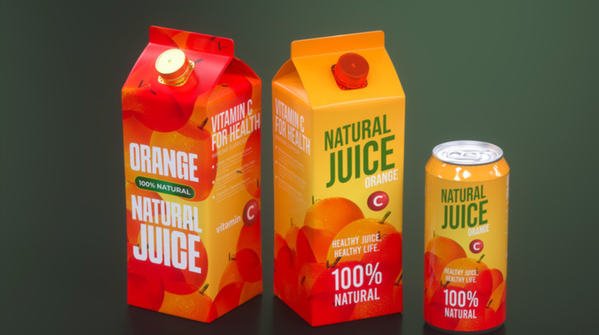
Protein bars, flavoured oats, breakfast cereals, diet biscuits — many appear nutritious but contain emulsifiers, artificial sweeteners, and colourants. Emerging studies link ultra-processed foods to higher cancer incidence, partly due to chronic inflammation and gut microbiome disruption. The problem isn’t one snack, it’s cumulative exposure across the day. These ingredients may also weaken the gut barrier, alter immune signalling, and increase metabolic stress when consumed regularly, especially when they quietly replace fresh, minimally processed foods at multiple meals.
Ignoring fruits and vegetables unless dieting
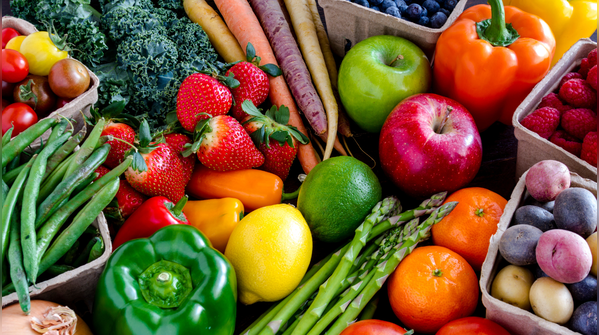
Low fibre intake is one of the most under-discussed cancer risks. Fibre feeds beneficial gut bacteria, supports healthy bowel movement, and reduces contact time between toxins and the intestinal wall. Data consistently shows higher colorectal cancer rates in populations consuming less than 20 g fibre/day, far below recommended levels.
Storing and reheating food in plastic
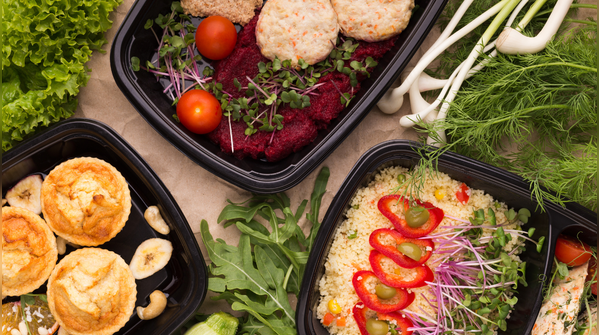
Heating food in plastic containers allows chemicals like BPA and phthalates to leach into meals. These compounds are endocrine disruptors and may influence hormone-related cancers over long-term exposure. Studies show measurable increases in plastic-derived chemicals in blood and urine after consuming heated food from plastic.
Featured In Food

MORE FROM ETIMES
life & style