
7 irresistible mutton dishes from Jammu and Kashmir that are a must-try in winter
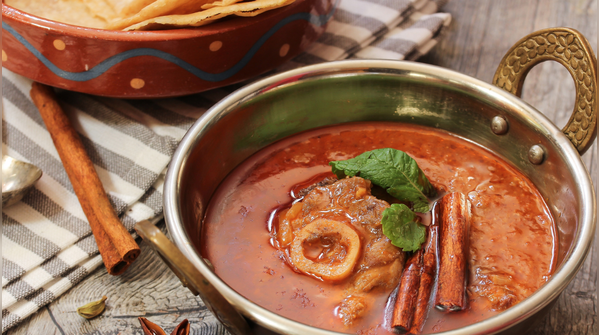
Kashmir’s ultimate winter meat dishes
From snow-dusted valleys to slow-simmering hearths, the kitchens of Jammu and Kashmir treat mutton not as an everyday ingredient but as something worthy of patience, perfume and pride. Wazwan feasts, home-style winter stews and roadside grills all revolve around lamb or goat cooked until meltingly tender, scented with fennel, dried ginger, saffron and smoky wood fires. If you love rich gravies and soulful cold-weather comfort food, these seven dishes deserve a place on your travel and eating bucket list.
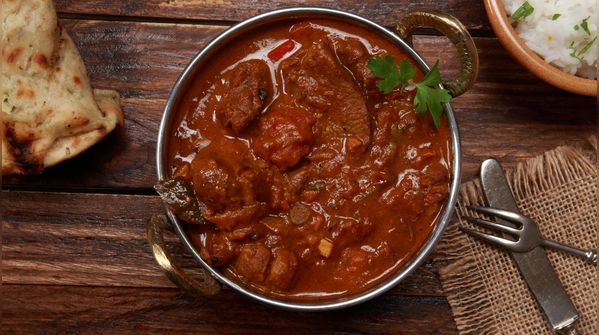
Rogan josh
No list from the region can begin without Rogan Josh, the crown jewel of Kashmiri cuisine. Chunky pieces of mutton are braised in a crimson gravy coloured not by tomatoes but by Kashmiri chilli and infused with fennel powder, dry ginger and cardamom.
The texture is luxuriously silky, the heat gentle rather than aggressive, and the aroma unmistakably alpine. Traditionally cooked in mustard oil and finished with a bloom of spices in hot fat, it is the dish that announces a serious meal has begun.
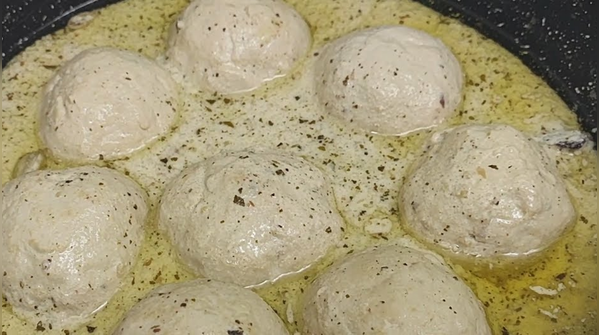
Gushtaba
Often called the grand finale of a Wazwan banquet, gushtaba is pure indulgence. Finely pounded mutton is shaped into soft, cloudlike dumplings and gently poached in a yoghurt-based gravy perfumed with saffron and whole spices.
What makes it special is its restraint: no chilli fire, no heavy browning, just a creamy, faintly tangy sauce that lets the sweetness of the meat shine. It is celebratory food in every spoonful.
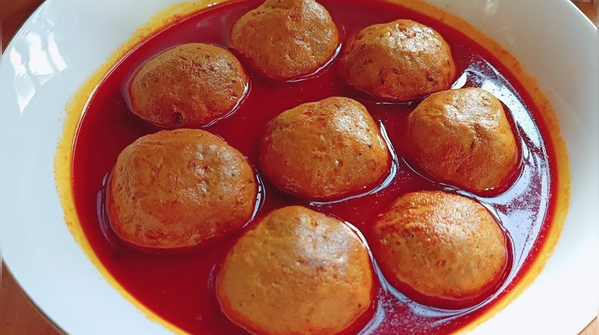
Chicken Rista
If gushtaba is elegant, rista is bold. These springy mutton meatballs are cooked in a vibrant red gravy laced with chilli paste, fennel and garlic, delivering colour, warmth and richness in equal measure.
Part of the same ceremonial spread, rista is usually served earlier in the meal and wakes up the palate with its deep spice and luxurious mouthfeel, especially when paired with steamed rice.
Yakhni Mutton
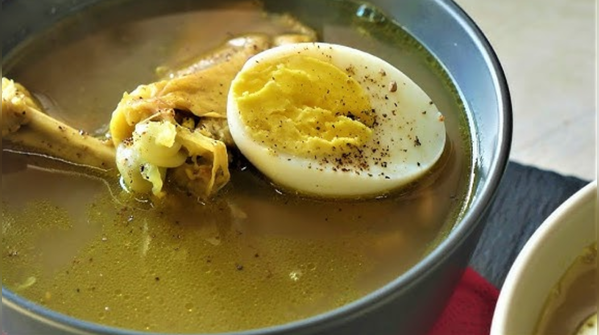
Yakhni is winter comfort distilled into a bowl. Mutton is simmered slowly in a pale, yoghurt-based broth seasoned with bay leaf, cardamom, cloves and a hint of fennel, creating a dish that is aromatic rather than fiery.
The result is gentle, soothing and incredibly fragrant, perfect for cold evenings when you want something nourishing without heaviness. Locals often sip the gravy first, like a spiced soup, before diving into the meat.
Tabak maaz
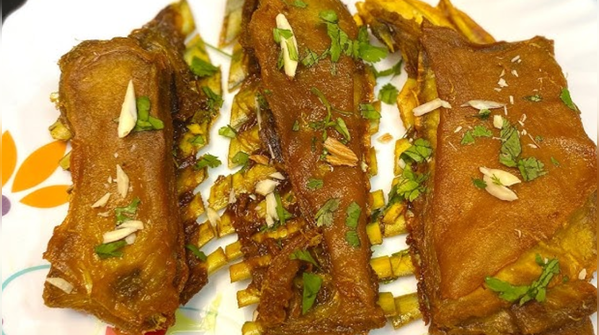
Crisp on the outside and buttery within, tabak maaz is Kashmir’s answer to indulgent fried ribs. Lamb chops are first simmered with milk and spices until tender, then shallow-fried in ghee to develop a golden crust.
Usually served as an appetiser in feast settings, it delivers a wonderful contrast of textures and is dangerously moreish, especially when eaten hot off the pan with a squeeze of lime.
Marchwangan korma
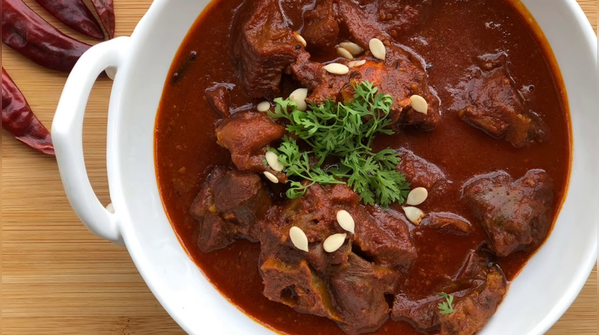
For those who like a bit of heat, marchwangan korma brings serious chilli character to the table. The gravy is intensely red, built from dried Kashmiri chillies, fennel and aromatic spices, yet still balanced rather than scorching.
Unlike cream-heavy North Indian kormas, this one stays sharp, fragrant and oil-slicked, clinging beautifully to tender mutton pieces and begging to be scooped up with rice.
Kashmiri harissa
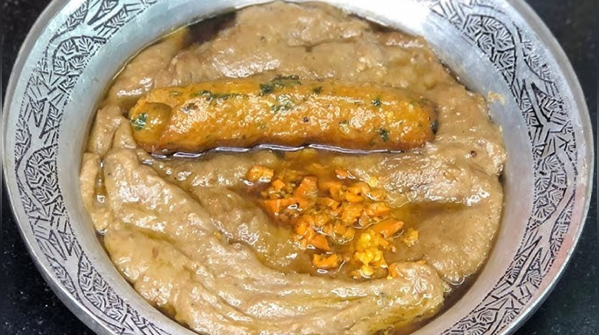
A winter-only obsession, Kashmiri harissa is slow food taken seriously. Mutton and cracked wheat are cooked overnight in massive cauldrons, stirred constantly until they merge into a thick, velvety paste.
Served at dawn with a drizzle of melted ghee and sometimes a sprinkle of cinnamon, it is warming, filling and quietly complex, less about spice fireworks and more about deep, comforting savouriness.
Featured In Food

MORE FROM ETIMES
life & style