
9 Indian dishes that were once considered “poor man’s food” but are now premium
7 Indian dishes that were once considered “poor man’s food” but are now premium
Food history often tells a quiet story about society itself. Many dishes that today appear on curated restaurant menus or luxury tasting experiences were once born out of necessity, scarcity and ingenuity. They were created by farmers, labourers and home cooks who learned to transform humble ingredients into deeply satisfying meals. Over time, changing tastes, nostalgia, regional pride and the rise of culinary storytelling have elevated several such dishes from everyday survival food to premium dining experiences. Today, chefs celebrate what earlier generations simply called dinner. Here are seven Indian dishes that made the remarkable journey from modest kitchens to gourmet tables.
Litti chokha
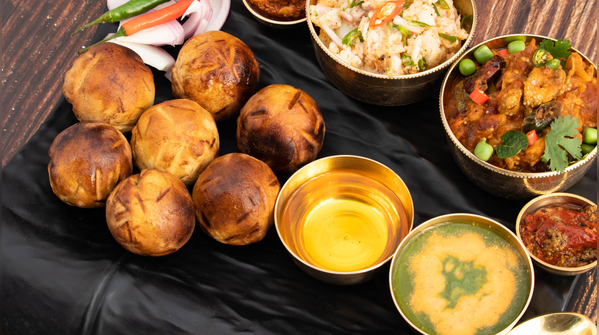
Once a staple of rural Bihar and eastern Uttar Pradesh, litti chokha was born out of practicality and affordability. Wheat dough balls stuffed with spiced sattu were traditionally roasted over open fires and eaten with mashed vegetables, creating a filling meal for farmers and travellers using simple, locally available ingredients.
The dish required minimal utensils and could be prepared easily during long journeys or field work, making it both portable and sustaining. Its smoky flavour came naturally from coal or wood fires, reflecting a style of cooking shaped more by necessity and environment than by culinary experimentation or luxury.
Long considered rustic village food, litti chokha has recently gained national attention through food tourism and regional pride. Restaurants and urban cafés now serve refined versions finished with ghee and carefully plated accompaniments, transforming a humble survival meal into a celebrated regional delicacy.
Dal makhani
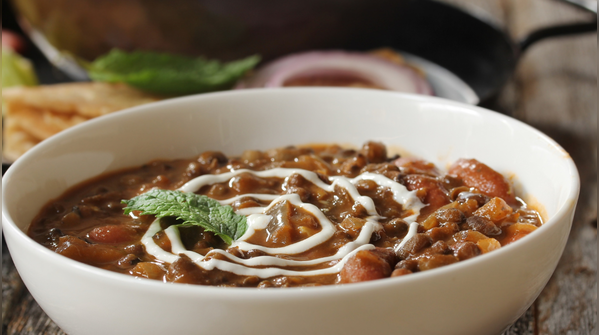
Now synonymous with indulgence, dal makhani was originally a simple Punjabi farmhouse meal. Made using whole black lentils and kidney beans, it was slow-cooked overnight on wood fires so farmers could have a filling, protein-rich meal after long working days.
In many households, the lentils were set to simmer in heavy iron pots before bedtime, covered loosely and left near the dying embers of the chulha. By morning, the grains would have softened into a creamy consistency, ready to be tempered simply with salt, turmeric and seasonal spices available at home.
The slow cooking was less about culinary luxury and more about practicality, allowing lentils to soften gradually while families rested through the night. The dish absorbed the gentle smokiness of traditional chulhas, creating depth of flavour through patience rather than expensive ingredients or elaborate preparation techniques.
Butter and cream were not originally added in excess; those came later when restaurants in Delhi popularised a richer version to appeal to urban diners. Today, slow-simmered dal makhani is a signature dish in upscale North Indian restaurants, often marketed for its long cooking time and smoky flavour, turning a rustic staple into a luxury comfort food.
Khichdi
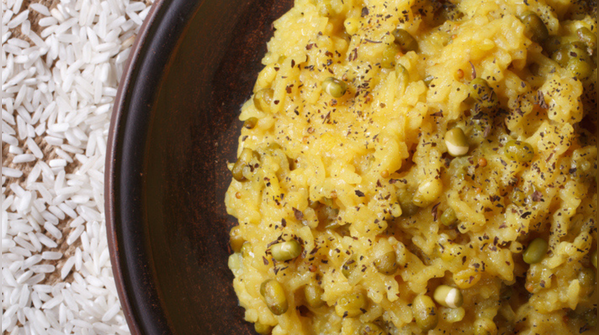
For centuries, khichdi was associated with simplicity, recovery and frugality. A basic mix of rice and lentils cooked together, it required minimal spices and was easy to digest, making it common in modest households and during lean agricultural seasons. Slow cooking allowed the grains and lentils to soften completely, creating a texture that felt soothing and familiar. The gentle aroma of turmeric and ghee often filled homes, turning an everyday preparation into a quiet expression of comfort and nourishment.
Because it could be prepared in a single pot with easily available ingredients, khichdi also reflected practicality in traditional kitchens. It demanded little attention once simmering, allowing families to focus on daily chores while a nourishing meal cooked slowly, filling the home with warmth and reassurance.
Its comfort lay in its adaptability, every region shaped khichdi differently depending on available grains, lentils and climate. Prepared for children, the elderly and the unwell alike, it symbolised care rather than cuisine, a meal chosen not for indulgence but for balance, warmth and gentle nourishment. Traditionally, it is made with rice, dal, turmeric, veggies, and salt.
Ironically, modern wellness culture has transformed khichdi into a celebrated “superfood.” Fine-dining restaurants now serve gourmet versions with exotic vegetables, truffle oil or artisanal ghee. What was once considered plain and even boring is now praised for being nourishing, balanced and mindful eating at its finest.
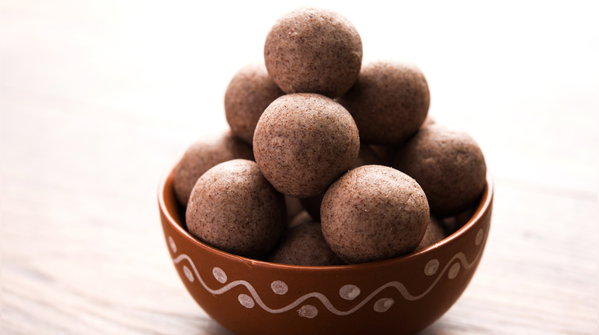
Ragi mudde
In Karnataka and parts of South India, ragi mudde was traditionally eaten by agricultural workers because finger millet was affordable, hardy and incredibly sustaining. Rolled into dense balls and eaten with sambar or spicy gravies, it provided long-lasting energy for physically demanding labour.
Beyond nourishment, ragi mudde also reflected local agricultural wisdom, suited to dry climates where other crops struggled to grow. Its preparation required skill and rhythm, often passed down through generations, turning a simple meal into a cultural practice deeply connected to land, labour and community life.
Over time, however, urbanisation and changing food habits pushed such traditional meals to the margins, often perceived as rural or old-fashioned. As polished grains and packaged foods gained popularity, many younger generations moved away from millet-based diets, unintentionally distancing themselves from nutritionally balanced indigenous eating practices rooted in sustainability.
This shift also reflected changing aspirations, where convenience foods came to symbolise modernity and progress. Traditional millet meals, once everyday staples, were gradually replaced by faster, refined options, even as older generations quietly continued preparing them, preserving culinary knowledge that would later return to public attention.
As awareness about millets and sustainable grains has grown, ragi has been rediscovered as a nutritional powerhouse rich in calcium and fibre. Urban restaurants and health cafés now highlight ragi dishes as premium, eco-conscious choices, reframing a once humble staple as modern wellness cuisine.
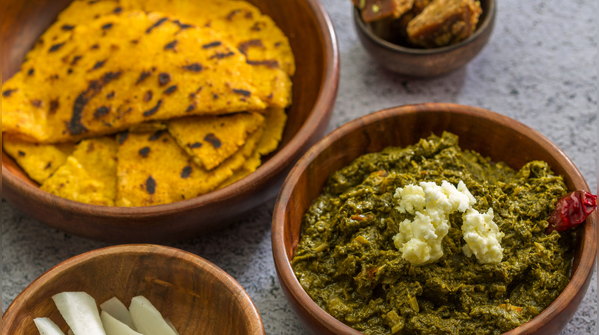
Sarson ka saag and makki di roti
This iconic Punjabi winter combination began as seasonal rural food made from locally available mustard greens and maize flour. Farmers relied on these ingredients because they were inexpensive and suited the cold climate.
Cooked slowly over wood fires, the saag was often prepared in large batches to feed entire families after long days in the fields. The dish provided warmth, nourishment and sustained energy during harsh winters, becoming deeply tied to agricultural rhythms and community gatherings.
Today, sarson ka saag is celebrated as heritage cuisine. Restaurants emphasise slow cooking, white butter toppings and traditional preparation methods, often pricing it far above its humble origins. The dish’s rustic authenticity has become its greatest luxury appeal.
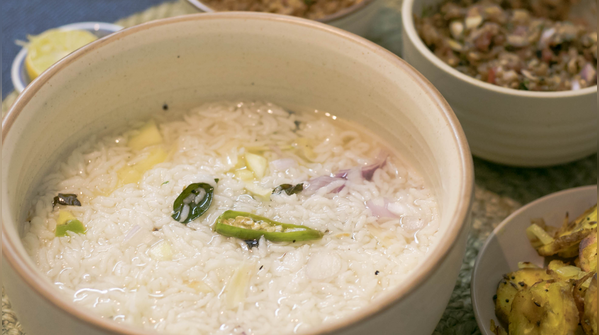
Pakhala bhat
In Odisha, pakhala bhat, fermented rice soaked in water and served with salt, chillies or simple sides, was a cooling summer meal for working-class households. It reduced food waste by using leftover rice while helping people cope with intense heat.
Over time, this humble preparation also became closely tied to seasonal rhythms and agricultural life, offering hydration and nourishment during long, physically demanding days. Its simplicity reflected resourcefulness, where comfort, sustainability and practicality came together in a single bowl shared across generations.
Beyond nourishment, pakhala carried a quiet cultural intimacy. Families gathered around it during sweltering afternoons, often pairing it with locally available vegetables or fried accompaniments. The meal required little excess yet fostered a deep sense of belonging, reminding communities that food could be both sustaining and deeply personal.
Modern nutrition science now highlights fermented foods for gut health, and chefs have embraced pakhala as a probiotic-rich traditional dish. Upscale interpretations featuring curated accompaniments and regional storytelling have brought this once-overlooked meal into culinary spotlight.
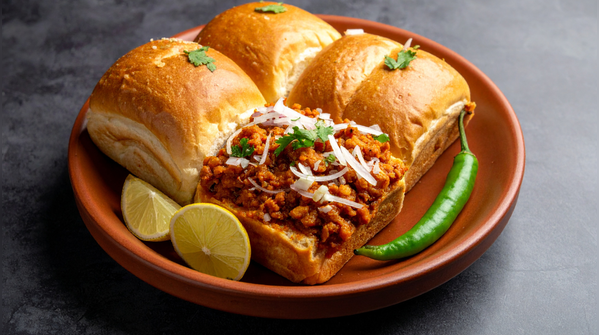
Misal pav
Misal pav began as an inexpensive street food in Maharashtra, designed to be filling and affordable. Sprouted lentils cooked in spicy gravy and topped with farsan provided both flavour and nutrition at low cost, making it popular among workers and students.
Vendors often prepared large batches early in the morning, allowing commuters and labourers to grab a quick, energising meal before long workdays. Its bold spice profile, combined with soft pav bread, made it both comforting and stimulating, perfectly suited to Maharashtra’s fast-moving urban food culture.
As industrial towns expanded and daily routines became more demanding, foods like misal pav gained importance beyond mere sustenance. They offered warmth, affordability and familiarity, becoming a reliable constant in rapidly changing cities where time was scarce but the need for hearty nourishment remained essential.
For many migrants arriving from smaller towns in search of work, misal pav also carried emotional reassurance. The familiar flavours echoed home-style cooking while remaining inexpensive enough for daily consumption, allowing people navigating unfamiliar urban lives to find comfort and continuity in a simple, dependable plate.
At roadside stalls, the dish also became a social ritual. Strangers shared standing tables, conversations flowed over steaming plates, and regular customers formed quiet bonds with vendors who remembered individual spice preferences. In many ways, misal pav nourished not only hunger but also the everyday sense of community.
Over time, local variations quietly emerged across cities like Pune, Nashik and Kolhapur, each adding its own balance of heat, texture and tang. Families developed loyal preferences, debating spice levels and toppings, turning a simple breakfast into a deeply personal culinary identity.
Today, speciality eateries compete over regional misal styles, spice levels and premium ingredients. Some versions are plated almost theatrically, transforming what was once everyday sustenance into a celebrated gastronomic experience.
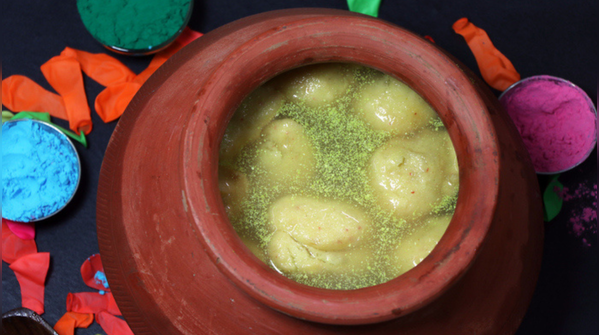
Kanji vada
Kanji vada, especially popular in North India during festivals, originated as a resourceful dish using lentil dumplings soaked in fermented mustard water. Fermentation allowed preservation without refrigeration, making it practical for modest households.
This ingenuity reflected a broader culinary wisdom where preservation techniques emerged from necessity rather than experimentation. Seasonal abundance was carefully managed through fermentation, ensuring food remained nutritious and flavourful even when storage options were limited, turning everyday cooking into an act of resilience shaped by environment and time.
The process relied entirely on natural bacteria present in the air and ingredients, allowing slow transformation without artificial starters. Earthen or glass jars were often preferred because they maintained stable temperatures, helping fermentation develop safely while deepening flavour in a gradual, controlled way.
The sharp, tangy liquid not only extended shelf life but also developed deeper flavours over time, turning simple ingredients into something lively and refreshing. Families often prepared large jars days in advance, allowing natural fermentation to slowly transform the taste and aroma before serving.
During fermentation, the liquid gradually develops a cloudy appearance and a pleasantly sharp aroma, signs that beneficial bacteria are active. This natural change was traditionally observed through experience rather than measurement, with families relying on smell, taste, and instinct to judge readiness.
Over time, kanji vada also became associated with seasonal balance in traditional diets. Its probiotic-rich liquid was believed to aid digestion during changing weather, especially as heavier winter foods gave way to lighter spring meals, reflecting an intuitive understanding of food as both nourishment and gentle wellness support.
In many homes, the preparation itself became a seasonal ritual, signalling the arrival of warmer months and festive gatherings. Elders carefully monitored fermentation, adjusting sunlight exposure and spice balance, passing down instinctive knowledge through generations rather than written recipes, preserving both flavour and tradition simultaneously.
With growing global fascination around fermented foods and traditional probiotics, kanji vada has found new appreciation. Boutique cafés and food festivals now present it as a heritage delicacy, highlighting both its tangy complexity and health benefits.
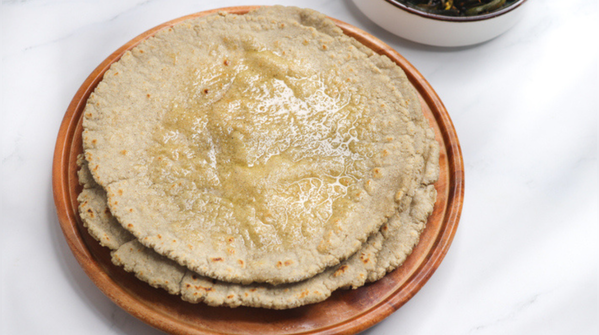
Bajra roti
Bajra roti, made from pearl millet flour, was historically associated with arid regions of Rajasthan and Gujarat, where hardy crops thrived despite harsh climates. Considered everyday sustenance for farmers and pastoral communities, it was filling, inexpensive and nutritionally dense, often eaten with garlic chutney, onions or simple curries.
The grain’s natural ability to grow with minimal water made it a dependable staple during unpredictable seasons, ensuring food security in drought-prone landscapes. Its slow-digesting nature provided sustained energy, which was essential for communities engaged in physically demanding agricultural and pastoral work throughout long, harsh days.
Its preparation required skill and patience, as millet dough lacks gluten and must be shaped gently by hand rather than rolled easily like wheat rotis. Cooking it over open flames added a smoky depth, making the humble bread both rustic and deeply satisfying.
With renewed interest in ancient grains and climate-resilient foods, bajra has gained premium status. Fine-dining restaurants now highlight millet-based menus, promoting bajra roti as a sustainable and health-forward choice rich in fibre and minerals, a striking shift from its earlier image as food of necessity rather than choice.
Featured In Food

MORE FROM ETIMES
life & style