
8 foods Indian grandparents ate regularly that are suddenly trendy again

7 foods Indian grandparents ate regularly that are suddenly trendy again
For years, many of the foods Indian grandparents cooked and ate without a second thought were brushed aside as “old-fashioned,” too simple, too humble, or not glamorous enough for the modern plate. But food trends have a funny way of circling back. What once sat quietly in steel tiffins, clay pots, and kitchen shelves is now showing up in health cafés, nutrition blogs, home kitchens, and social media feeds with a new label: ancestral eating, gut-friendly food, clean carbs, or natural protein. The irony is hard to miss. The same ingredients that powered generations through long workdays, lean seasons, and busy family lives are now being rediscovered by a younger audience looking for better energy, better digestion, and food that feels real again. What grandparents understood through habit is now being validated through wellness culture and science. Here are 7 foods Indian grandparents ate regularly that are suddenly trendy again.
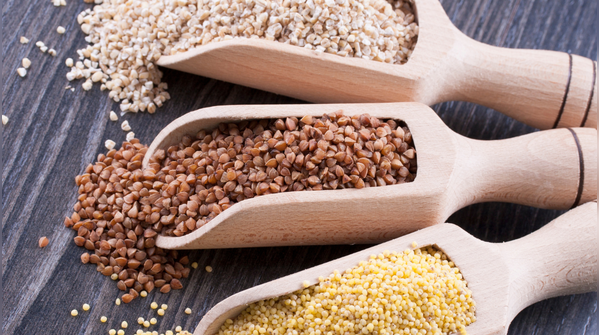
Millet
Before millets became a “supergrain,” they were simply part of everyday life in many Indian homes. Bajra, jowar, ragi, and foxtail millet were often cooked into rotis, porridges, or hearty meals that kept people full for hours. Then polished rice and refined flour pushed them to the margins.
For decades, millets were unfairly associated with poverty or rural diets, even though they were deeply suited to India’s climate and agricultural conditions. They required less water, adapted well to harsh weather and provided sustained energy for physically demanding lifestyles. In many villages, these grains quietly remained staples long after cities had moved toward more processed foods.
Now, millets are back in the spotlight, praised for their fiber, mineral content, and slower impact on blood sugar. What older generations knew instinctively is now being rediscovered by people trying to eat in a more balanced way. Millet is no longer being treated as a fallback grain. It is being celebrated as a smarter one.
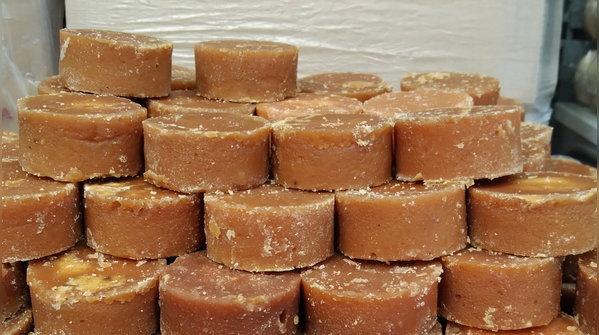
Jaggery
In many homes, jaggery was the sweetener of choice long before processed sugar became dominant. It was mixed into warm milk, melted into sweets, eaten after meals, or used in winter foods for a sense of warmth and energy. Today, jaggery has been recast as a “natural” alternative, often preferred by people trying to reduce refined sugar. The shift is not surprising. Jaggery has a deeper flavor, a rustic appeal, and a cultural familiarity that makes it feel wholesome even before anyone talks about nutrition. It has become trendy again because people are craving sweetness that feels less industrial and more rooted.
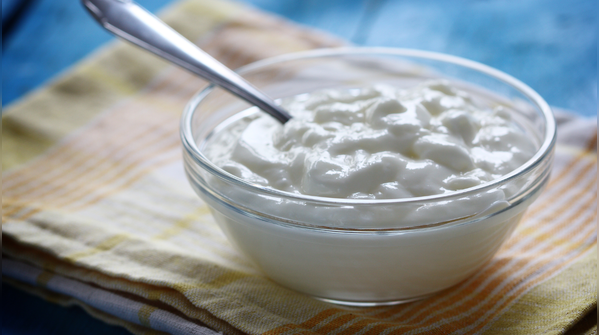
Curd
Curd was never a trend in Indian kitchens. It was a daily habit. A bowl of dahi appeared beside lunch, mixed into rice, whisked into chaas, or used to cool the body in hot weather. Grandparents trusted it not because it was fashionable, but because it was familiar and effective. Today, curd has been rebranded as a probiotic-rich staple for gut health, immunity, and digestion. The science may now be louder, but the practice is old. In many homes, curd has always been the quiet fix after a heavy meal, a stomach upset, or a sweltering afternoon. Some foods do not need reinvention; they only need remembrance.
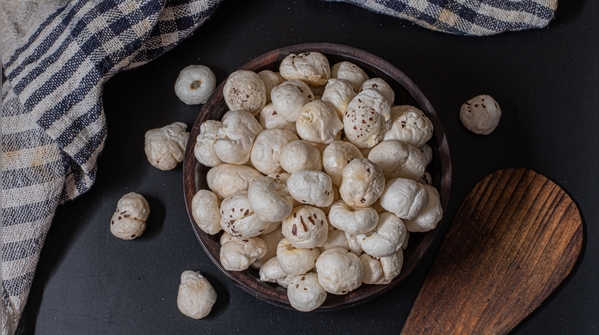
Makhana
For a long time, makhana lived in a rather unassuming corner of Indian food culture. It was eaten during fasting, roasted at home, or tossed into a light snack with ghee and spices. That was it. In many households, it was less a trend than a quiet staple, stored in steel containers beside everyday pantry ingredients and brought out without ceremony. Children munched on it during evening tea, while grandparents praised its lightness and digestibility with complete conviction. In parts of Bihar and eastern India, where makhana cultivation has deep roots, it was never treated as fashionable or exotic. It belonged to ordinary kitchens, temple offerings, travel snacks and slow domestic routines that rarely drew attention to themselves. But in recent years, fox nuts have been reintroduced as a premium snack, sold in elegant packaging and marketed as high-protein, low-fat, and ideal for mindful munching. The transformation is almost comical. A food once associated with simplicity and ritual is now a designer snack. Yet the appeal makes sense. Makhana is light, versatile, and easy to dress up or down, which may be exactly why it has survived for so long.
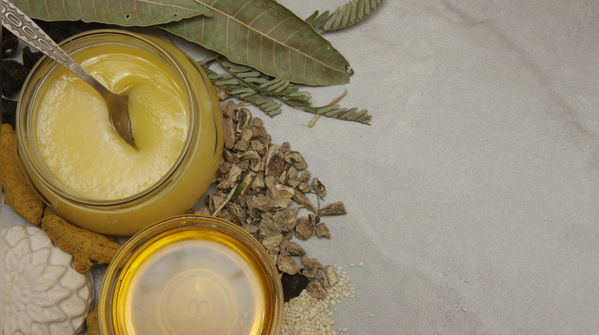
Ghee
Few ingredients have had a more dramatic image makeover than ghee. Once a normal part of Indian cooking, it was used on rotis, rice, dal, khichdi, and sweets without much debate. Somewhere along the way, it got caught in the crossfire of changing dietary advice and was treated with suspicion. Now it is back, embraced in moderation by people who want flavor, satiety, and a sense of tradition in their food. Grandparents never saw ghee as indulgent in the modern sense. For them, it was nourishment, comfort, and strength in a spoonful. The renewed affection for ghee reflects a broader shift: people are beginning to value foods that are both functional and emotionally grounding.
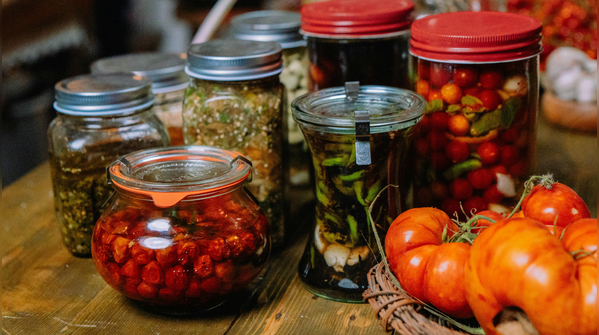
Fermented foods
Long before “microbiome” became a popular word, Indian kitchens were quietly fermenting idlis, dosas, dhokla, kanji, and pickles. These foods were not designed as wellness products. They were simply practical, seasonal, and deeply rooted in household knowledge. Today, fermentation has become one of the most talked-about food trends in the world, praised for its role in supporting digestion and diversity in the gut. But in India, the practice has always been part of the ordinary rhythm of cooking. What feels new to many people is often very old in disguise. That is the charm of fermented foods: they carry both memory and science in the same bite.
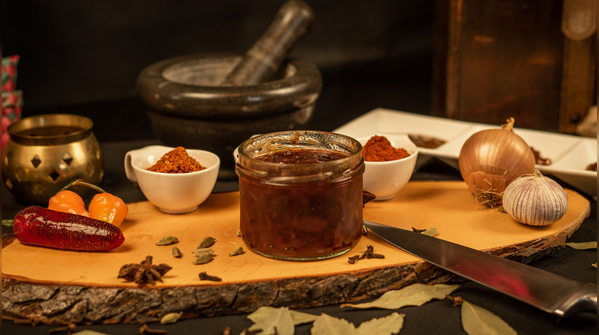
Home-made chutneys and spices
Grandparents did not think of chutneys as side dishes. They were essential. Coconut chutney, peanut chutney, mint chutney, tomato chutney, garlic chutney, and countless regional variations brought sharpness, freshness, and depth to the meal. Along with that came spices like ajwain, jeera, methi, turmeric, and black pepper, used not as decoration but as daily support for taste and digestion. Today, food culture is rediscovering what Indian households always knew: flavor and function can live in the same spoon. Chutneys and spices are being celebrated again because they make simple food feel complete. They also remind us that the smartest cooking often came from kitchens that had no interest in trends at all.
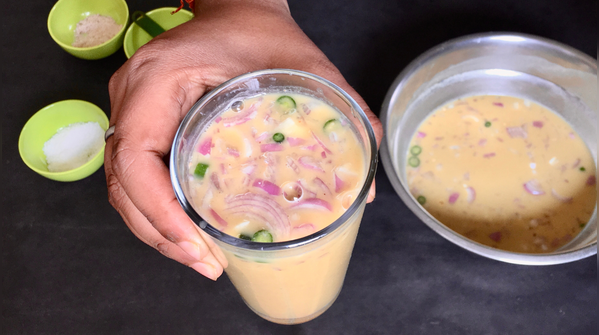
Sattu
Long before protein shakes and energy drinks filled supermarket shelves, many Indian households relied on sattu. Made from roasted gram and often mixed with water, salt or jaggery, it was cooling, filling and remarkably practical during hot summers.
Labourers, farmers and travellers especially depended on it because it was easy to prepare, inexpensive and energising without feeling heavy. In states like Bihar and Uttar Pradesh, sattu became deeply woven into everyday food culture, appearing not just in drinks but also in stuffed parathas, litti and simple homemade meals designed to sustain people through long working days.
Now fitness enthusiasts and nutrition experts are praising sattu for its protein, fiber and ability to keep people full for longer. But for grandparents, it was never a trend. It was affordable nutrition that worked quietly in the background of everyday life. Its comeback says something important about modern eating habits: people are slowly returning to foods that feel simple, sustaining and honest.
Featured In Food

MORE FROM ETIMES
life & style