
7 fermented foods that naturally improve digestion
7 fermented foods that naturally improve digestion
Long before probiotics became a wellness buzzword, Indian kitchens were already practicing fermentation as a daily ritual. Across regions and climates, people learned that allowing food to rest, sour, and transform quietly improved not just flavour but digestibility. Fermentation breaks down complex compounds, encourages beneficial bacteria, and makes nutrients easier for the body to absorb. What modern nutrition science now explains through microbiomes and gut health, traditional food wisdom understood through experience: fermented foods feel lighter, calmer, and easier on the stomach. Here are seven fermented foods that naturally support digestion while remaining deeply rooted in everyday eating.
Curd (dahi)
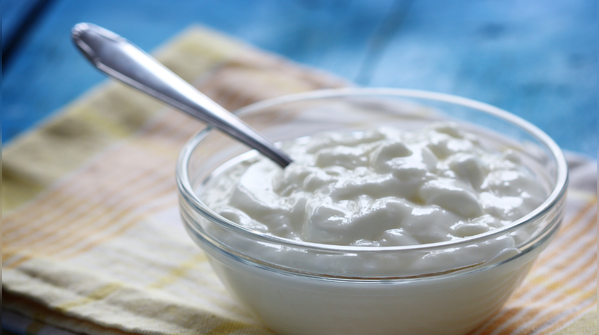
Few foods are as universally comforting as a bowl of fresh curd. Made by fermenting milk with live cultures, dahi introduces beneficial bacteria that help maintain gut balance. Its cooling nature soothes acidity and supports smoother digestion, especially when paired with heavier meals like parathas or rice dishes.
As fermentation progresses, the milk gradually thickens and develops its gentle tang, signalling the growth of healthy cultures. This natural transformation not only enhances flavour but also makes nutrients easier to absorb, which is why freshly set curd often feels lighter and more satisfying than processed alternatives.
Many households instinctively end meals with curd rice or a spoon of plain dahi, not as tradition alone, but because it helps the body settle after eating.
How to make:
Heat milk until just warm (not boiling hot). Add 1 teaspoon of existing curd as a starter culture and mix gently. Cover and leave undisturbed in a warm place for 6–8 hours or overnight until set. Refrigerate once firm to slow further fermentation.
Idli
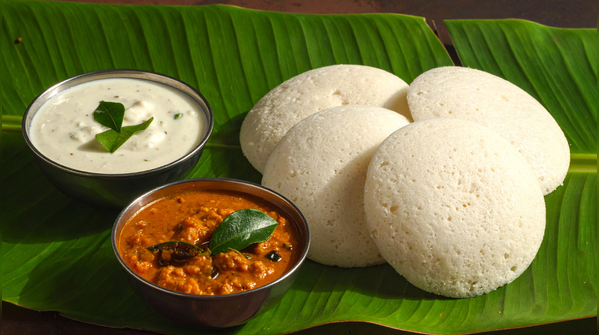
Idli batter, made from fermented rice and urad dal, undergoes an overnight transformation that changes both texture and nutrition. Fermentation partially breaks down starches and proteins, making idlis easier to digest than many other grain-based breakfasts. The steaming process adds another advantage — minimal oil and gentle cooking. The result is a soft, airy food that feels nourishing without heaviness, which is why idlis are often recommended during recovery or digestive discomfort.
How to make:
Soak 2 cups rice and 1 cup urad dal separately for 4–6 hours. Grind into a smooth batter, mix with salt, and leave covered in a warm place overnight to ferment and rise. Pour into greased idli moulds and steam for 10–12 minutes until fluffy.

Dosa
While dosa shares the same fermented base as idli, its thin, crisp texture offers a different experience. The fermentation develops mild tanginess, which naturally stimulates digestive enzymes. This subtle sourness signals the body to prepare for digestion, improving nutrient absorption. When paired with coconut chutney or sambar, dosa becomes a balanced meal combining probiotics, fibre, and spices known to aid digestion.
How to make:
Use fermented idli batter or prepare fresh batter by soaking rice and urad dal, grinding, and fermenting overnight. Thin the batter slightly with water. Pour a ladle onto a hot tawa, spread into a circle, drizzle a little oil, and cook until crisp and golden.
Kanji
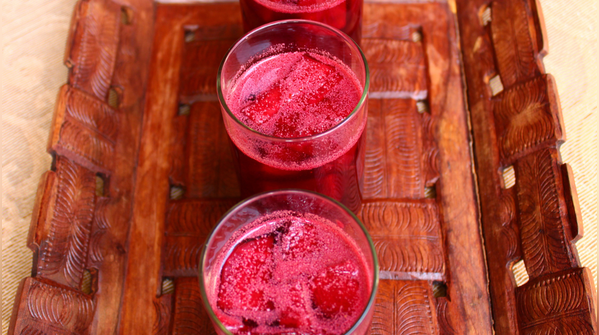
Popular in parts of North India, especially during cooler months, kanji is a fermented drink made using black carrots or mustard-flavoured brine. Slightly sour and gently pungent, it acts almost like a natural digestive cleanser. The fermentation process creates beneficial microbes while mustard seeds add compounds known to stimulate digestion. Traditionally consumed in small glasses, kanji awakens appetite while preventing the heaviness often associated with rich seasonal foods.
How to make:
Slice black carrots (or regular carrots and beetroot). Add to a glass jar with water, salt, red chilli powder, and coarsely ground mustard seeds. Cover loosely and leave in sunlight for 3–5 days, stirring daily, until the drink develops a tangy, fermented flavour.
Pickles (naturally fermented achar)
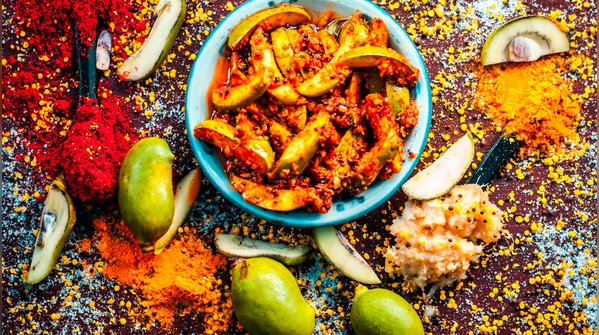
Not all pickles are equal. Traditional homemade achars, especially those fermented naturally without excessive vinegar, develop probiotics over time. Ingredients like mango, lemon, or chilli ferment slowly with salt and spices, encouraging beneficial bacterial growth.
As the mixture rests, natural enzymes begin breaking down the ingredients, deepening flavour while improving digestibility. Sunlight and time work together to create the characteristic tang and complexity that distinguish traditional achars from instant pickles made primarily for sharpness rather than fermentation.
Small quantities alongside meals can stimulate digestive juices, making even simple dal-rice meals more satisfying and easier to process.
How to make:
Wash and dry raw mango, lemon, or chilli completely to remove moisture. Mix with salt, turmeric, and spices such as mustard seeds and fenugreek. Store in a clean glass jar with mustard oil. Leave in sunlight for several days to weeks, shaking occasionally, allowing natural fermentation to develop flavour.
Appam
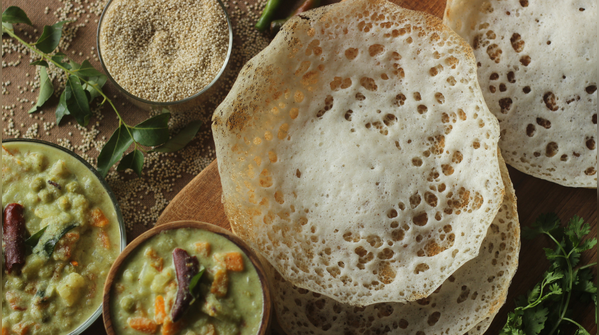
A staple from Kerala, appam is made from fermented rice batter often enhanced with coconut. The fermentation creates a soft centre and lacy edges while improving digestibility. Because fermentation reduces heaviness associated with rice, appam feels lighter despite being filling. Paired with vegetable stew or mildly spiced curries, it offers comfort without overwhelming the digestive system.
How to make:
Soak raw rice for 4–5 hours, then grind with grated coconut and a small amount of cooked rice or yeast. Add salt and allow the batter to ferment overnight. Pour a ladle into an appam pan, swirl gently, cover, and cook until the edges turn lacy and the centre becomes soft.
Fermented rice (pakhala, pazhaya sadam, or neeragaram)
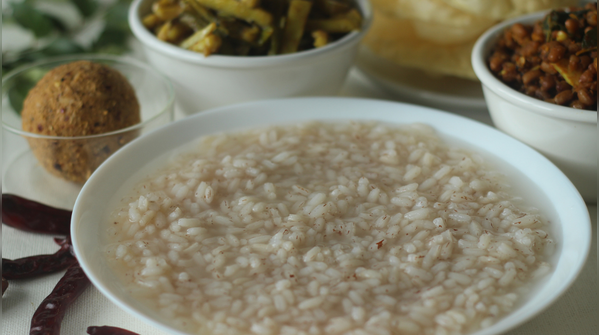
Across eastern and southern India, leftover rice soaked overnight in water transforms into a naturally fermented dish eaten the next morning. Known by different regional names, this humble preparation is rich in beneficial bacteria and cooling properties. Often served with onions, green chillies, or curd, fermented rice supports gut health while helping regulate body heat, one reason it remains popular in hot climates.
How to make:
Place leftover cooked rice in an earthen or steel bowl and add enough water to fully submerge it. Cover loosely and leave at room temperature overnight (8–12 hours). The next morning, lightly mash and serve with salt, onions, green chillies, or curd for a cooling, probiotic-rich meal.
Featured In Food

MORE FROM ETIMES
life & style