
7 easy foods you can cook using only an electric kettle in hostels or while travelling
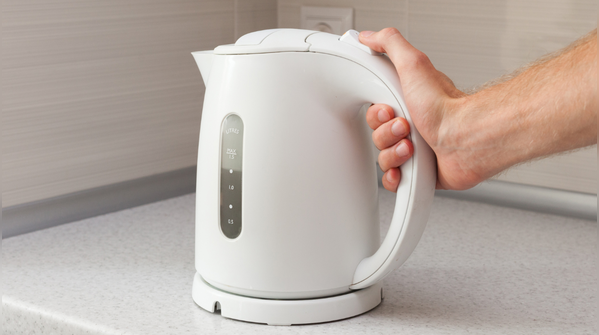
7 easy foods you can cook using only an electric kettle in hostels or while travelling
There is a particular kind of hunger that shows up when you are living out of a hostel room, a hotel corner, or a suitcase. It is not just appetite. It is the frustration of having almost nothing to cook with and still needing something warm, filling, and real. That is where the humble kettle quietly becomes a survival tool. With hot water, a few shelf-stable ingredients, and a little patience, you can make far more than people expect. Even with minimal equipment, simple meals can come together quickly when the day has been long and the kitchen is miles away. Here are seven easy foods you can make with just a kettle.
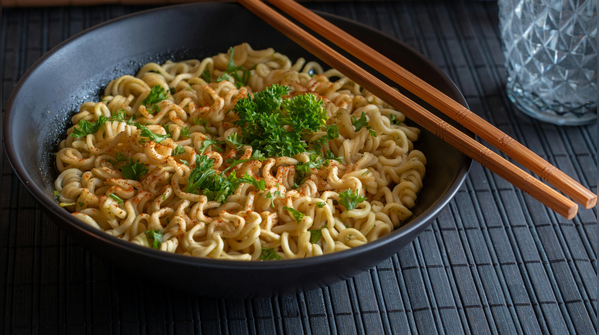
1. Instant noodles with an upgrade
The familiar hostel staple can be far more satisfying than its reputation suggests. With a few simple additions, it shifts from emergency food to something that actually feels like a small meal.
Late evenings in shared rooms often revolve around this simple dish. The kettle hums softly, someone searches for a bowl, and the faint smell of masala begins to fill the room. For many students and travellers, instant noodles quietly become part of the daily rhythm.
How to make it:
Bring water to a boil in the kettle, then pour it over the noodles in a heat-safe bowl or container. Cover it with a plate or lid and let it sit for about three to five minutes until the noodles soften. Stir in the seasoning, then add whatever extras you have nearby. Chopped onion, chili flakes, a boiled egg, frozen vegetables, or even a spoonful of extra masalas can instantly deepen the flavour. With a little effort, the bowl becomes warmer, richer, and far less forgettable.
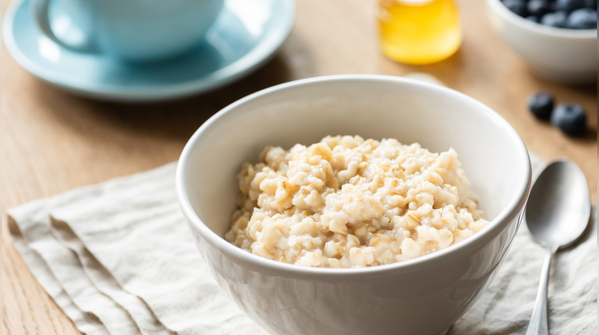
2. Oatmeal porridge
Few foods adapt to hostel life as effortlessly as oats. They are inexpensive, easy to store, and surprisingly comforting when turned into a warm bowl after a long day or an early start.
How to make it: Put rolled oats in a bowl and pour over boiling water until the oats are just covered. Let them sit for 3 to 5 minutes until soft and thick. As they absorb the water, the oats naturally swell and release starch, creating a creamy texture that makes the bowl feel comforting and filling even without complicated cooking.
Stir in honey, sugar, milk powder, banana slices, nuts, or cinnamon if you have them. For a savory version, add salt, black pepper, and a little butter or cheese. It is one of the easiest ways to make a proper breakfast without a stove.

3. Instant soup
Few things feel as comforting as a warm bowl of soup when you are living out of a hostel room or travelling light. With just a kettle and a sachet of soup mix, you can turn a quiet corner of your room into a small moment of comfort.
The steam rising from the mug carries a familiar kitchen warmth, the kind that briefly dissolves the fatigue of long days, unfamiliar schedules, and simple meals that come with living away from home.
In places where cooking options are limited, small rituals like this begin to matter. A mug, a kettle, and a quick stir become a pause in the day, a way to slow down for a few minutes before returning to assignments, late-night work, or the restless rhythm of travel.
How to make it: Empty the soup powder or instant soup sachet into a mug or bowl. Add hot water and stir well. Let it rest for a minute or two so the flavors settle. If you want to make it feel more like a meal, add crushed crackers, instant noodles, corn, or leftover cooked rice. In cold rooms, this one feels less like food and more like relief.
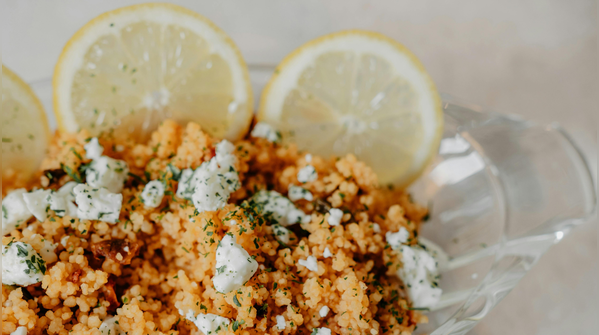
4. Couscous bowl
Couscous is one of the most travel-friendly foods you can keep around. It cooks quickly, stores easily, and asks for little more than hot water and a few minutes of patience.
Originally from North Africa, couscous has long been valued as a practical staple, something that could be prepared quickly while still feeling hearty and satisfying after a long journey.
It is also remarkably forgiving. Even in a small hostel kitchen or a cramped train compartment, couscous can become a proper meal. All it really needs is heat, a bowl, and whatever ingredients happen to be within reach. That simplicity is precisely what makes it such a reliable companion on the road.
How to make it: Put couscous in a bowl with a little salt and a drizzle of oil or butter if available. Pour in boiling water until it covers the grains by a small margin. Cover and leave it for about 5 minutes. During that brief wait, the tiny grains quietly absorb the water and swell into something light and fluffy. It is a small transformation that feels almost magical, turning a handful of dry grains into a warm, comforting base for a meal. Fluff with a fork. Then add whatever you have: canned beans, chopped cucumber, herbs, raisins, cheese, or even instant pickle. It comes together fast and tastes far more composed than it has any right to.
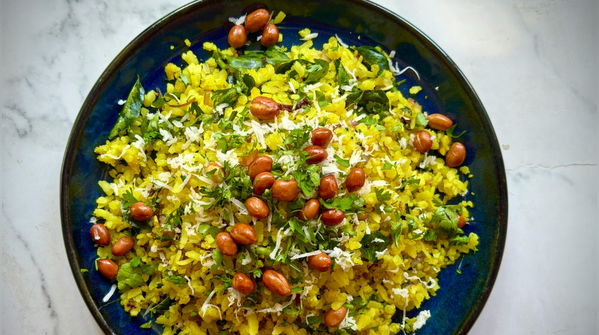
5. Poha-style instant mix
Traditional poha is usually made in a pan, but a simple kettle version can still come together when you have very little to work with. It is not identical to the stovetop dish, but it can deliver the same light, savoury comfort.
In small hostel kitchens or travel setups, improvisation often becomes part of cooking itself. With a few pantry staples and a kettle, familiar dishes can still appear on the table, carrying a taste that feels reassuringly close to home.
This kind of cooking leans more on instinct than strict rules. You use what you have, adjust along the way, and trust that a familiar combination of flavours will still find its balance. The result may be humble, but it often carries the same comforting spirit as the original dish.
How to make it: Use thin poha or flattened rice. Place it in a bowl and rinse briefly with hot water, then drain. Add salt, a little sugar if you like balance, and spices such as chilli powder or chaat masala, aamchur and garam masala. Stir in peanuts, sev, or chopped onion if you have them on hand. You can also add a few cubes of paneer for extra richness. To do this, heat a small amount of ghee in the kettle briefly and lightly sauté the paneer for two to three minutes, keeping an eye on it since kettles heat quickly. Once everything is mixed in, let the poha sit for a couple of minutes so the flavours settle.
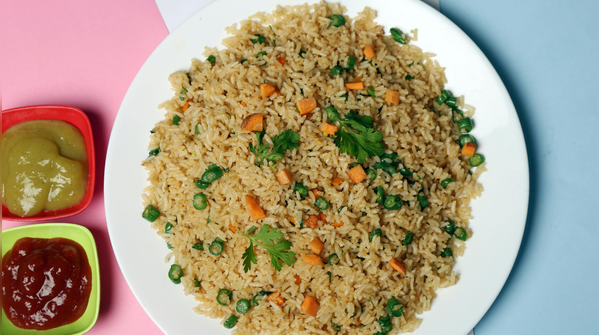
6. Instant masala rice
A kettle can help turn plain rice into something close to a proper meal when you have a few ready ingredients nearby. It is simple, quick, and surprisingly satisfying when cooking options are limited.
How to make it: If you have pre-cooked rice packets or instant rice, place the rice in a bowl and add boiling water just enough to loosen it. Cover for a few minutes, then drain if needed. Mix in salt, butter, ready-made curry paste, spice mix, or even leftover pickle. If you have canned vegetables or chickpeas, fold those in too. It is simple food, but it gives the body what it needs when proper cooking is impossible.
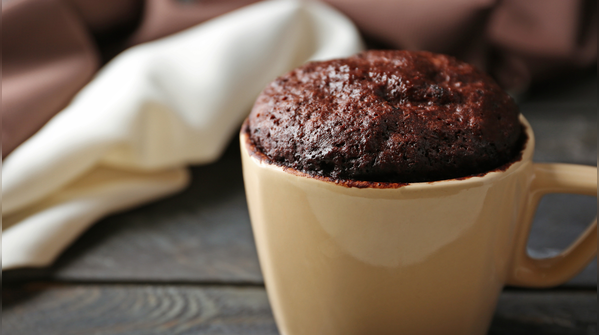
7. Mug cake or sweet snack
Yes, even dessert can happen in a hostel room, as long as you have a microwave-safe mug or a heat-safe container and the right mix.
How to make it: Combine flour, sugar, cocoa powder, and a pinch of baking powder in a mug. Add milk powder and enough hot water to make a thick batter. Stir well. Depending on your setup, you may need to let it sit until it softens rather than actually bake. For a no-bake sweet version, try crushed biscuits soaked lightly in hot milk with a little sugar and cocoa. It is not pastry-shop elegant, but it does the job when you need comfort fast.Ranaram Bishnoi’s story endures because it is not really about one heroic day. It is about what happens when protection of land becomes a habit instead of a slogan. The desert did not turn green because someone spoke beautifully about conservation; it changed because someone kept showing up with water, saplings and patience. That is the larger lesson in this unlikely Rajasthan tale. Environmental repair is often imagined as grand policy, but sometimes it begins with a farmer, a pot, a dune and the stubborn belief that even a hostile landscape can be persuaded to yield. In Ekalkhori, that belief appears to have taken root.
Featured In Food

MORE FROM ETIMES
life & style