
3 desi seeds that beat expensive serums for hair shine (and how to use them)

3 desi seeds that beat expensive serums for hair shine (and how to use them)
Shiny hair is usually sold to us in glass bottles, serums that promise gloss with a single pump, oils that claim to repair years of damage overnight. But our kitchens have always held the quieter heroes. Seeds that our grandmothers soaked, ground, and massaged into the scalp long before “hair care” became a product category. They don’t come with luxury branding, yet they deliver a softness and sheen no silicone-based serum can mimic. Here are three desi seeds that work with the grain of your scalp, not against it and how to use them so your hair looks naturally lit from within.
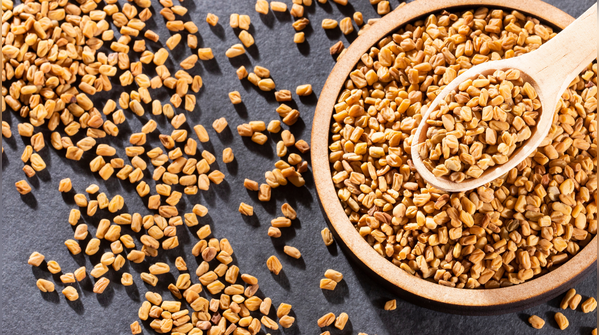
Methi: The moisture magnet
There’s something almost magical about fenugreek seeds. Leave them in water overnight and they swell into soft, golden beads that feel like they’re holding tiny pockets of hydration. That same quality translates beautifully to hair. Methi coats each strand with a light, natural slip that reduces frizz, restores bounce, and leaves a sheen that looks healthy rather than oily.
What makes it shine is its mucilage, a gel-like layer that wraps around dry, brittle strands and gives them that “moisture-sealed” look expensive serums try to copy.
To make it, take:
Two tablespoons of methi seeds soaked overnight. Blend them with a little of the soaking water until a smooth, pale gel forms. Strain if needed.
Massage this onto your scalp and length, leave for 20–30 minutes, and rinse thoroughly. Used weekly, it softens the cuticle, reduces breakage, and leaves the hair with a calm, natural gloss.
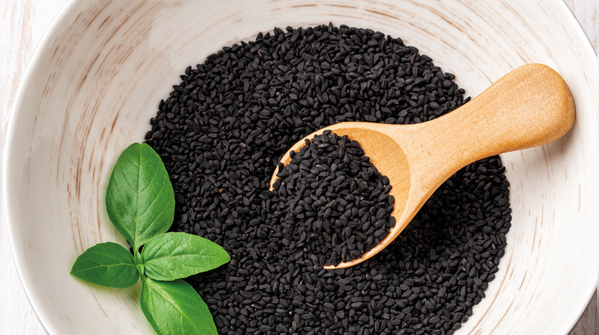
Kalonji: The root-strengthening shine builder
Kalonji (black seeds) may be tiny, but they carry a depth of nutrients that feed the scalp from the root up. Traditionally warmed in oil during winter, kalonji seeds infuse the base with thymoquinone, a compound known for improving scalp health and boosting natural shine.
This shine doesn’t come from coating the hair. It comes from strengthening the roots, reducing dullness caused by stress, and improving the scalp’s natural oil balance. Over time, hair looks glossier because it’s healthier, not because it’s artificially finished.
To make it, take:
A handful of kalonji lightly crushed and simmered in coconut or mustard oil for 10-12 minutes on low heat. Let the oil cool and store it.
Warm a small amount between your palms and massage your scalp once or twice a week. The oil nourishes, stimulates blood circulation, and brings back the deep, rich sheen that thinning, tired roots often lose.
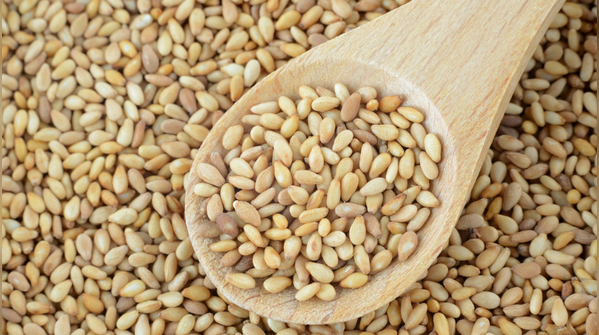
Til: The glow-giving seed your hair has been missing
Sesame seeds have always been part of India’s winter rituals, til laddoos for warmth, til oil for strength, til scrubs for dryness. Their hair benefits are underrated but extraordinary. Til oil penetrates deeper than many popular oils, carrying minerals like zinc and copper that encourage shine from the inside out.
This is the kind of shine that looks buttery and soft, the kind that makes your hair look “well-fed.” Sesame also forms a natural protective layer around the strand, shielding it from sun exposure, heat, and pollution, the biggest enemies of gloss. It also helps reduce roughness and moisture loss, allowing the hair cuticle to lie flatter and reflect light more evenly.
To use it, take:
Two spoonfuls of cold-pressed til oil. Warm it gently and apply from root to tip. Leave it on for at least an hour, or overnight if possible.
Even one wash leaves the hair softer, smoother, and visibly brighter. With regular use, the shine becomes richer and more enduring, not the temporary gloss you rinse out in a day.
What to avoid, even if it feels tempting
Strong coffee, spicy food, cigarettes, and “hair of the dog” alcohol all stress an already taxed system. They may offer brief relief, but they delay real recovery. The body doesn’t need stimulation after a hangover. It needs restoration.
Featured In Food

MORE FROM ETIMES
life & style