
Not just banana: 10 other leaves that are used for serving or cooking food across India
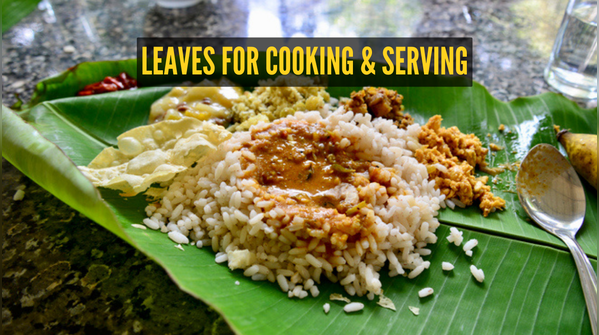
Why leaves are used for cooking and serving
India is not just a land of flavours. It is also known for its unique cooking techniques and ingredients that make them one-of-its-kind. And when it comes to cooking and serving, every region uses a certain type of leaf, as a part of serving food or cooking food in it. They not just make the food look even more presentable, but also impart nutritional benefits that make the final dish good for gut health and overall metabolism too. Here we have listed 10 types of leaves used for serving or cooking food across India.
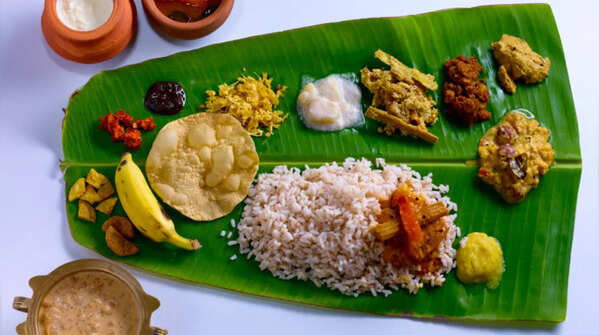
Banana Leaf
It is one of the most popular leaves used for serving food. On festivals and religious occasions food is served on banana leaves. In South India, it is used to serve the famous sadya meal, a pure vegetarian meal consisting of more than 30 dishes. It is an eco-friendly option, as it is biodegradable and reduces the use of disposable plates. Additionally, the natural waxy coating of the leaf imparts a subtle flavor to the food, while its antimicrobial properties can potentially aid in digestion and promote overall health.
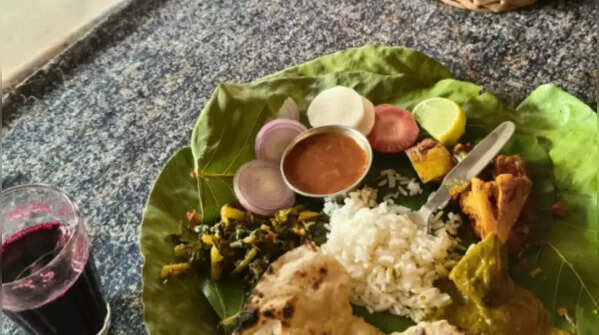
Palash Leaf
This leaf is also considered very sacred and auspicious for eating. These leaves are often used to offer prasad in temples. Just like sal leaves, they too contain antibacterial properties. Palash leaves also possess digestive properties and can help improve your digestion and overall health, making them an excellent option for dining. (Image: Instagram/
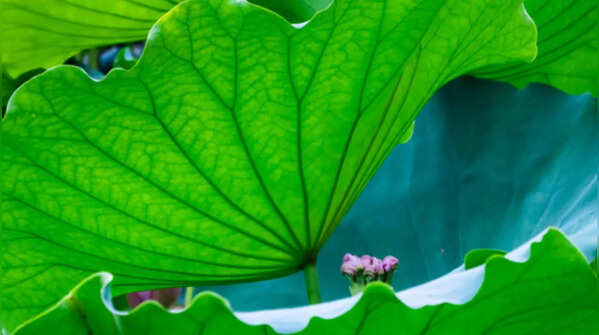
Lotus Leaf
These leaves are also used to serve food. They are known for their natural hydrophobic and self-cleaning properties, which can help repel water and keep food from sticking to the surface. They are also believed to have antioxidant and anti-inflammatory properties, potentially contributing to overall health.
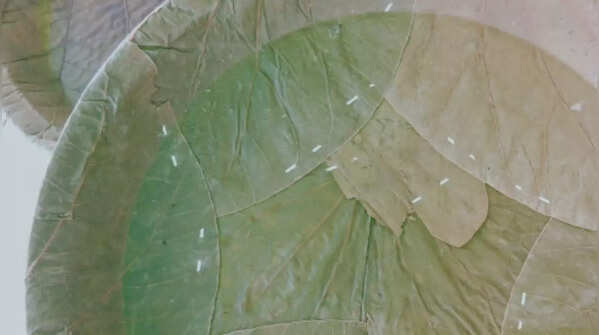
Sal and Teak leaf
These leaves are big and very hard, and it is very easy to eat them. These are commonly used in the areas of West Bengal, Jharkhand and Bihar.Both Sal and Teak leaves possess natural antimicrobial properties, which can help prevent the growth of harmful bacteria on food.These leaves are also known to impart a subtle flavour to the food, enhancing the overall taste experience.They are eco-friendly, as they are biodegradable and do not contribute to plastic waste.
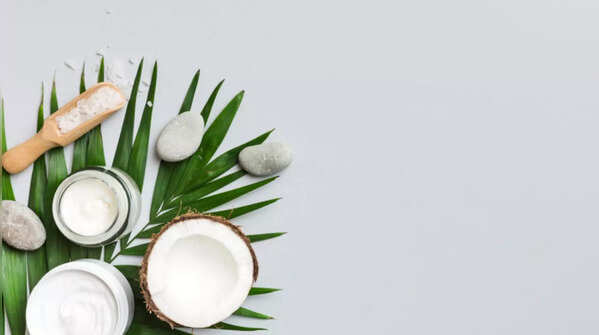
Coconut Leaf
These leaves are used to create eco-friendly containers, plates, and bowls. They are known for their cooling properties and add a mild coconut flavour to the food.
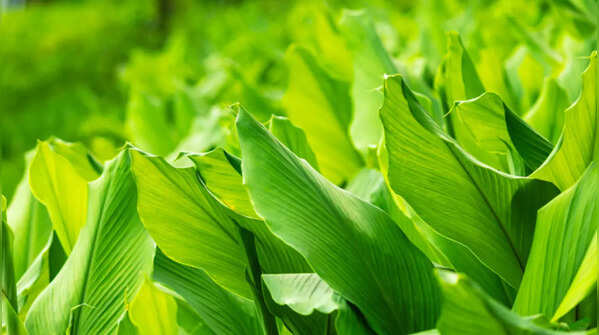
Turmeric Leaf
They add a subtle earthy flavor to the food, especially in steamed dishes. They are used to steam seafood dishes and add an aromatic twist to it. Also known as Manjal Ilai, they are said to have antiseptic and anti-inflammatory properties as well.
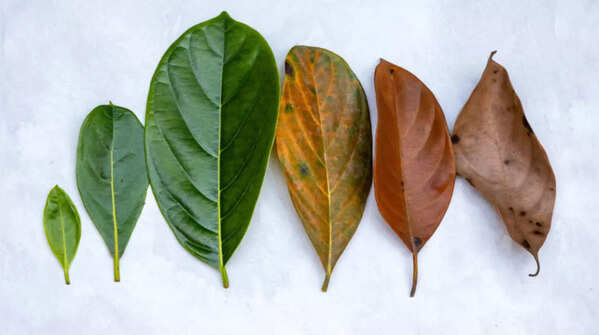
Jackfruit Leaf
These leaves are also used to make eco-friendly plates and are rich in fiber.Also known as Pala Ilai, they help in keeping the food fresh and add a slight fragrance to the dish.
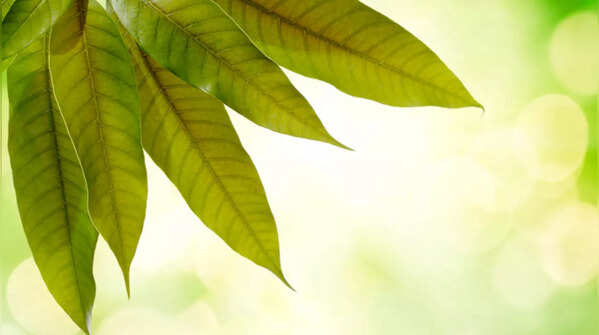
Mango Leaf
They are also known as Mavilai, and have antioxidant and antimicrobial properties. While we know that they are used for puja rituals, in some parts these leaves are used to serve food, as they add a pleasant aroma to the dish.
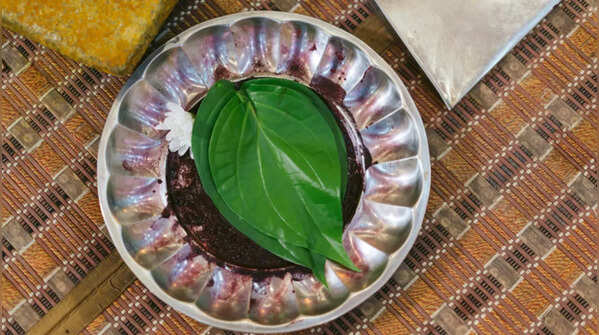
Betel Leaf
They are also called Vetrilai and contain compounds like eugenol, which can stimulate digestive enzymes, aiding digestion and reducing bloating.Betel leaves have natural antibacterial and antifungal properties, helping to prevent infections and keep food safe from contamination.
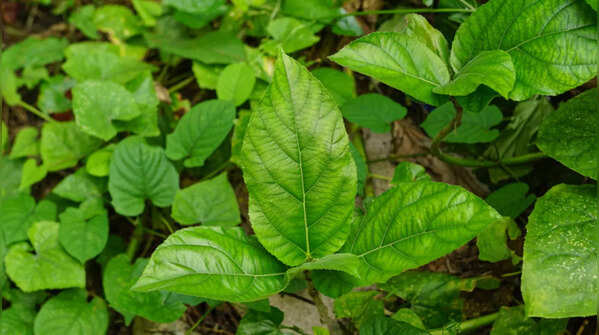
Fig Leaf
Fig leaves are rich in fiber and have anti-diabetic properties. They can impart a unique flavor to the food and are used in traditional and ritualistic settings.And as per experts, these leaves are used in cooking as fragrant, flavorful wraps for meats, fish, and cheese, imparting a unique coconut-vanilla-almond taste.
Featured In Food

MORE FROM ETIMES
life & style