
Why Gen Z is choosing lab-grown diamonds for modern engagement rings
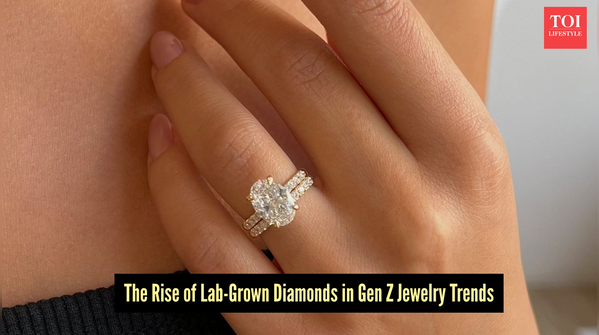
The Rise of Lab-Grown Diamonds in Gen Z
The idea of dropping a small fortune on a single piece of jewelry just doesn't hit the same way it used to. For decades, the ultimate flex was a mined diamond—the rarer, the better. But if you've been scrolling through your feed lately or paying attention to the jewelry choices of anyone born after 1996, you've probably noticed a massive shift.
Generation Z is completely rewriting the rules of luxury. They aren't just looking for sparkle; they want transparency, massive value, and zero guilt. Enter the lab-grown diamond (LGD). What started as a quirky alternative has basically become the new industry standard for young buyers. But why the sudden pivot? Let’s break it down.
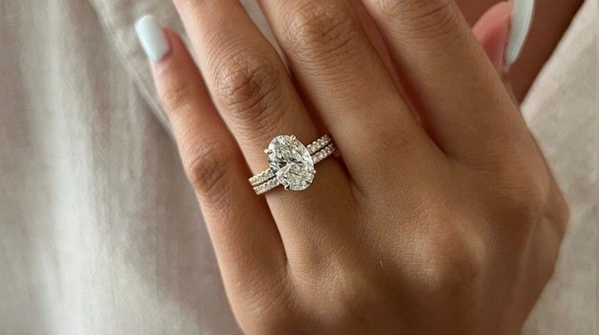
More Carats, Less Compromise
Here is where the rubber meets the road: the price tag. Young professionals today are smart with their money. They want the high-end aesthetic, but they also want to pay their rent, invest, and maybe take a trip abroad. Because lab-grown diamonds skip the entire, complicated mining supply chain, they cost a fraction of what a mined stone does.
Think about it. A decent 1-carat natural diamond is going to set you back anywhere from ₹2,00,000 to ₹5,00,000 depending on its clarity and cut. On the flip side? A stunning, certified 1-carat lab-grown diamond hovers right between ₹35,000 and ₹1,00,000. Want to go bigger? A chunky 2-carat LGD can easily be found for ₹90,000 to ₹1,50,000. A natural stone of that size would demand a staggering ₹6,00,000 to ₹15,00,000.
For Gen Z, the math is a no-brainer. Why settle for a tiny speck when you can get a serious rock for the exact same budget?
(Image Credits: Pinterest)
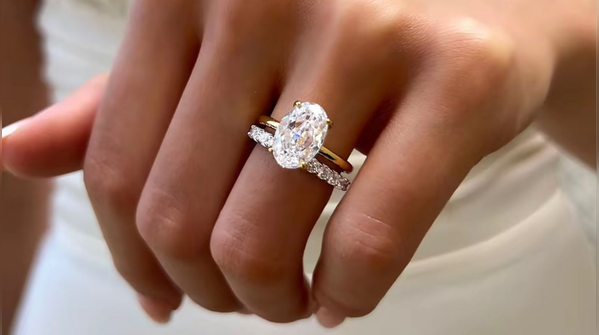
The Clean Conscience Flex
Then there’s the ethics of it all. Sure, older generations might care deeply about a diamond’s billion-year geological origin story. There is an undeniable romance to natural stones, especially if you're building a collection of heritage jewelry or view it as a financial asset.
But younger buyers view things through a completely different lens. Lab-grown diamonds are created using cutting-edge tech like CVD (Chemical Vapor Deposition) or HPHT (High Pressure High Temperature). They are optically, chemically, and physically identical to mined diamonds, right down to scoring a 10 on the Mohs hardness scale. The difference?
They come without the heavy baggage of ecological land destruction or the murky ethics of conflict mining. For a demographic that practically invented modern conscious consumerism, this clean origin story isn’t just a nice bonus. It’s a dealbreaker.
(Image Credits: Pinterest)
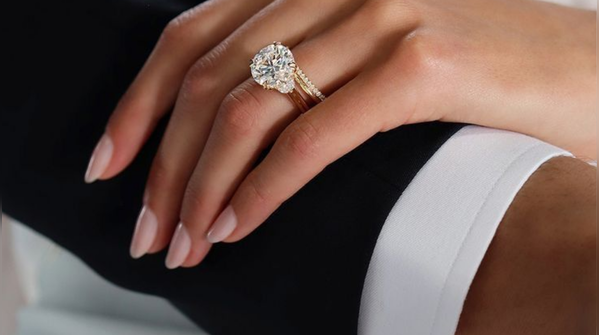
Breaking the Safe-Deposit Box Habit
Let’s talk about styling. Since LGDs completely free up the budget, we are seeing some wildly creative trends. Remember the days when nice diamonds lived in a dark safe and only came out for weddings? Yeah, those days are over. Gen Z treats fine jewelry as an everyday accessory. They want pieces that transition flawlessly from a casual morning coffee run to an evening party.
And because they aren't blowing their entire savings on the stone itself, they are experimenting. We are talking bold, chunky, gender-neutral rings and intricate "ear stacks" loaded with sparkle. There's also a huge move away from the traditional round brilliant cut. Suddenly, elongated shapes like ovals, pears, emerald cuts, and vintage-inspired old mine cuts are everywhere.
(Image Credits: Pinterest)
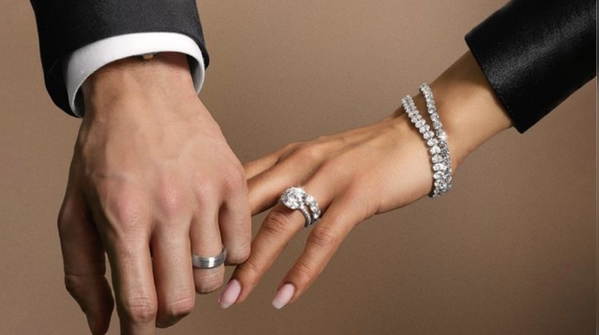
The Final Word
So, are natural diamonds totally dead? Absolutely not. If you are looking to park your money in a long-term asset with traditional secondary resale value, earth-mined is still king. But for a generation that treats jewelry as a vibrant extension of their personal brand, daily vibe, and core values, lab-grown diamonds are the obvious winner. They deliver the exact same physical perfection, just without the astronomical markup. And honestly? It’s hard to argue with that kind of logic.
(Image Credits: Pinterest)
Featured In lifestyle

MORE FROM ETIMES
life & style