
Did you know? This indigenous Assamese craft is India’s best-kept heritage secret
Why does this deserve national attention?
Assam is more than just tea gardens and beautiful river valleys. The state’s rich cultural diversity boasts vibrant tapestries and textiles that have been helping the households of various communities. Not one or two, but the state has different indigenous techniques, materials, textiles, embroideries, and designs that have been passed down through generations and are only known by a handful of people. Amongst many, there remains a craft which is India’s best-kept heritage secret and is very different from the others.
A part of the state’s identity
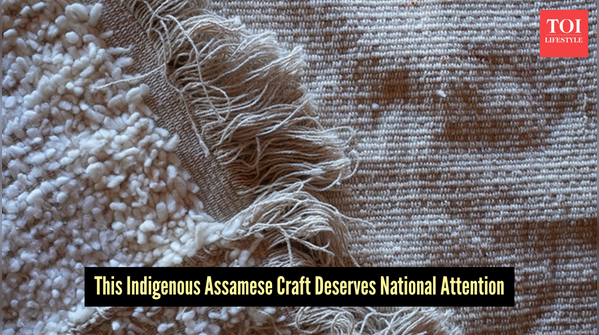
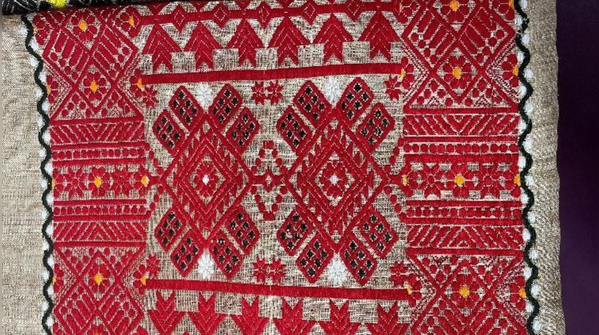
Miri embroidery is also known as Miri-Jim or Gadu, which is made mainly on thick and fluffy blankets and on handloom textiles. It is created by the indigenous Miri or Mising community in Assam. Many weavers use this on clothing, where the special weaving technique creates a soft and raised, fluffy texture on one side and a clear, beautiful allure on the other. From winter shawls to blankets, it is primarily crafted in the riverine areas of Assam and is far from traditional embroidery, but it is a woven technique that uses a loom.
(Image Credits: Pinterest)
How is Eri silk a part of it?
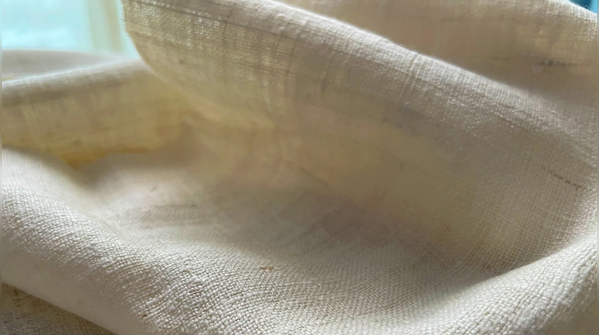
The mirror embroidery is usually seen on the eri silk, which is also known as the Ahimsa silk, meaning ‘fabric of peace’. It dates back as early as 2500 BCE and has ancient roots in Northeast India. Extracted from the Samia ricini worm, which feeds on castor plants, it is different from the others, as the moth emerges from the cocoon before the silk is harvested, which allows for a non-violent production and thus has gained the name of 'Ahimsa'. It is also known as ‘poor man’s silk’ because of its touch, durability, and beautiful texture.
(Image Credits: Pinterest)
Also, the karigari on Assamese gamosas
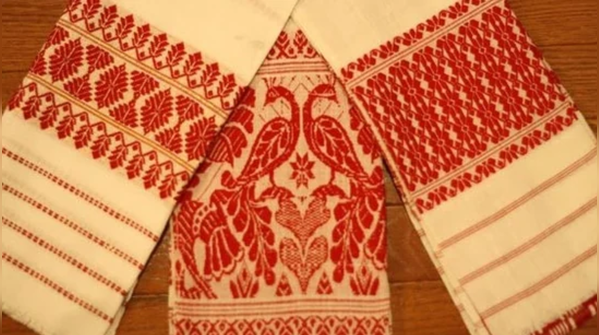
The Assamese Gamosas are mainly a traditional handwoven rectangular-shaped cotton textile which features a white base with a red border on three sides, woven in floral motifs on the fourth side. It is the cultural symbol of Assamese hospitality and identity and is also used during sacred rituals, festivals, and to honour their guests. You will find this rare embroidery on these gamosas as well. Roughly 2 feet wide, it is deeply associated with women’s empowerment in the state, as it is mostly woven by local female weavers who are also known as sipinis. In 2020, it was granted the GI tag status for its unique identity and to protect its traditional production.
(Image Credits: Pinterest)
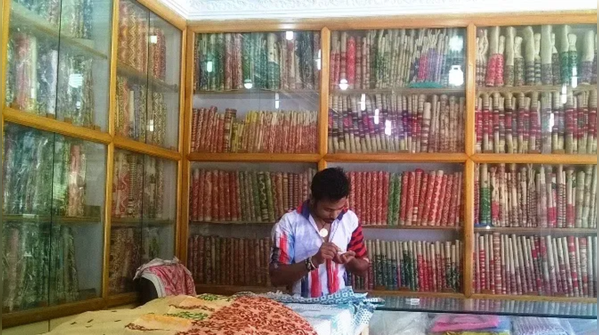
The many stories of Assam
The textile industry of Assam is not just an embodiment of rich cultural diversity, but it is also a testament to the state’s enduring traditional practices. In such a pure and pious form, the tribes have protected their culture for centuries and are still striving hard to do so. These crafts are not just a source of livelihood but a symbol of cultural preservation and economic development as well.
(Image Credits: Pinterest)
Featured In lifestyle

MORE FROM ETIMES
life & style