
- News
- Health News
- Fatty Liver cases are rising: Can weight loss, healthy eating, and simple lifestyle changes reverse the damage?
Fatty Liver cases are rising: Can weight loss, healthy eating, and simple lifestyle changes reverse the damage?
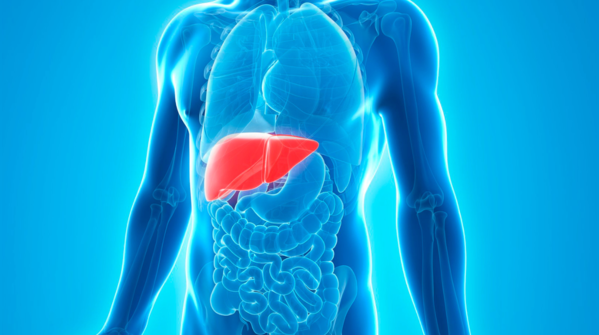
Can Fatty Liver be reversed?
Fatty liver disease is no longer a condition that doctors see only in older adults or people with long-standing health issues. Increasingly, it is being diagnosed in young professionals, homemakers, fitness enthusiasts, and even individuals who do not consume alcohol. What makes the condition particularly concerning is that it develops silently, without any obvious symptoms.
The good news is that fatty liver disease, especially in its early stages, is one of the few chronic health conditions that can often be reversed. The challenge lies in recognising it early and making sustainable lifestyle changes before permanent liver damage occurs.
According to Dr Nitin Pai, Consultant and Director of Gastroenterology and GI Endoscopy at Ruby Hall Clinic, Pune, "Fatty liver disease is currently the fastest-growing health problem in India and affects millions of people, who often don't even know they have it. Often known as the 'silent' disease, it occurs when there is a build-up of too much fat in the liver, generally as a result of conditions like obesity, diabetes, insulin resistance and high cholesterol."
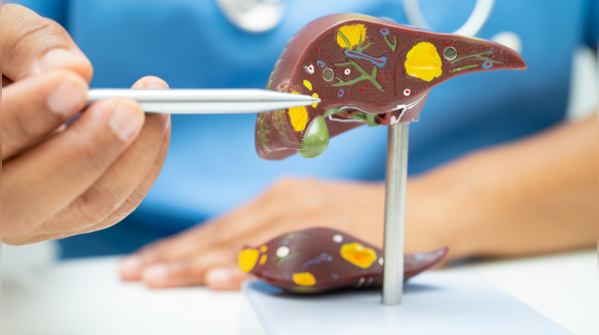
The silent epidemic growing inside modern India
For years, liver disease was commonly associated with excessive alcohol consumption. Today, doctors are seeing a different pattern. The condition now known as Metabolic Dysfunction-Associated Steatotic Liver Disease (MASLD), formerly called Non-Alcoholic Fatty Liver Disease (NAFLD), is largely driven by modern lifestyles.
Long hours of sitting, processed foods, sugary drinks, poor sleep, chronic stress, and increasing rates of obesity and diabetes have created a perfect environment for fat to accumulate inside the liver.
The scale of the problem is significant. A large Indian study involving more than 7,700 adults from 27 cities found that nearly 40% of participants could be affected by MASLD, highlighting just how widespread the condition has become.
What makes fatty liver particularly dangerous is that the liver rarely complains in the early stages. Unlike other organs that send clear warning signals, the liver can continue functioning despite accumulating damage. Many people discover they have fatty liver only during a routine health check-up or an ultrasound conducted for an unrelated reason.
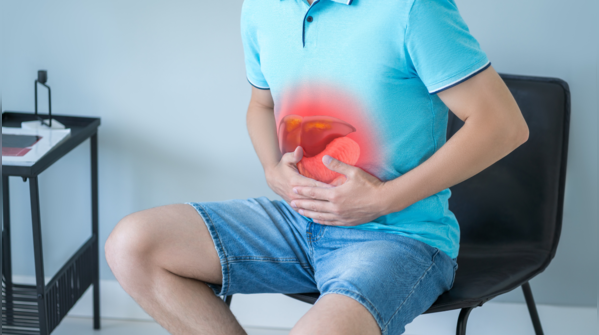
Why your Liver has a better chance than you think
The liver is often described as the body's chemical factory, but it is also one of its most resilient organs. Unlike many tissues, the liver possesses a remarkable ability to heal and regenerate.
Dr Pai explained, "Your liver is a remarkable organ that CAN often repair itself. In the early stages of MASLD, previously called NAFLD, decreasing the amount of fat stored in your liver can significantly improve its function and prevent serious, long-term damage."
This is perhaps the most encouraging aspect of the condition. Fat accumulation, inflammation, and even some early scarring can improve if action is taken at the right time. Research from the US National Institute of Diabetes and Digestive and Kidney Diseases shows that weight loss can reduce liver fat, inflammation, and fibrosis, while physical activity itself offers benefits even when weight loss is modest.
In simple terms, the liver is often willing to forgive years of neglect if healthier habits are introduced before irreversible damage sets in.

Why losing just a few kilos can make a big difference
Many people imagine that reversing fatty liver requires dramatic diets, expensive treatments, or rapid weight-loss programmes. In reality, science points in the opposite direction.
Dr Pai said, "Without a doubt, the most important treatment you can undertake is to lose weight. Studies have demonstrated that losing even 5-10% of your total body weight can improve liver fat, inflammation and liver health. What's more, it doesn't have to be extreme. Slow, steady weight loss brought about through healthy diet and exercise has the best impact."
Multiple clinical studies support this approach. Evidence suggests that losing as little as 5% of body weight can reduce liver fat, while a reduction of 7-10% may improve liver inflammation and even reverse some liver scarring.
For someone weighing 80 kilograms, this may mean losing just 4 to 8 kilograms over several months. That is a far more achievable goal than crash diets promising dramatic transformations in a matter of weeks.
The emphasis should always be on consistency rather than speed. Quick fixes often fail because they are difficult to maintain. The liver responds better to habits that become part of everyday life.
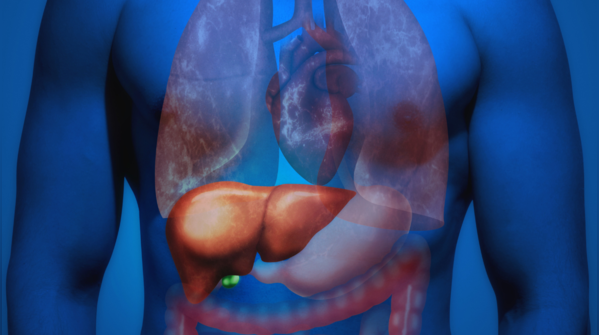
The everyday food choices that matter more than trendy diets
When people hear the phrase "healthy eating," they often think of restrictive meal plans. But liver health is usually built through small decisions repeated daily.
Dr Pai noted, "Diet also plays a vital role in your liver's recovery. A reduction in sugar drinks, refined carbohydrates, processed foods and too much saturated fat can reduce fat levels within the liver. Instead focus on meals that incorporate plenty of vegetables, fruit, whole grains, lean proteins, nuts and healthy fats which support metabolic health and reduce insulin resistance."
What is striking is that some of the biggest threats to liver health are not obvious. Sugary beverages, packaged snacks, sweetened coffees, excessive bakery products, and heavily processed convenience foods can quietly contribute to liver fat accumulation.
A useful rule is to think less about dieting and more about eating foods that look close to their natural form. Fresh vegetables, dals, fruits, nuts, fish, eggs, curd, and whole grains place far less stress on the body's metabolic system than ultra-processed foods.

Prevention starts long before symptoms appear
One of the biggest misconceptions about fatty liver disease is that it only affects people who are visibly overweight. Increasingly, doctors are seeing cases among people who appear healthy on the outside.
Dr Pai warned, "The biggest problem with fatty liver disease is that there are no symptoms until it causes irreparable damage to the liver. People who are obese, have diabetes, high cholesterol, or a family history of liver disease should seek screening in the form of liver function tests and ultrasounds."
Regular exercise is another powerful tool. According to Dr Pai, "Both aerobic and resistance exercise programs have been shown to be effective in reducing liver fat even when weight loss is minimal. Guidelines recommend at least 150 minutes of moderate exercise a week."
Beyond diet and exercise, sleep quality, stress management, and proper control of diabetes, blood pressure, and cholesterol all influence how much strain the liver experiences.
The message is clear: prevention is not one habit but a collection of small choices that work together.

A disease that can often be turned around
The rising number of fatty liver cases is undoubtedly concerning. Yet unlike many chronic illnesses, fatty liver disease offers an important window of opportunity.
Dr Pai concluded, "While the increasing rates of fatty liver disease are alarming, this is not a disease that you can't recover from. Most people can successfully reverse the condition, and sometimes significantly, by simply making sustainable changes to their lifestyle and diet."
That may be the most hopeful lesson of all. The path towards a healthier liver does not usually begin in an operating room or with a prescription. It often starts with a morning walk, a healthier meal, a little less sugar, better sleep, and the decision to keep showing up for those habits every day.
Medical experts consulted
This article includes expert inputs shared with TOI Health by:
Dr Nitin Pai, Consultant and Director of Gastroenterology and GI Endoscopy, Ruby Hall Clinic, Pune.
Inputs were used to explain the rising burden of fatty liver disease, how excess weight and poor dietary habits contribute to the condition, and whether sustainable lifestyle changes such as weight loss, healthier eating, regular exercise, and metabolic health management can help reverse early-stage fatty liver and prevent long-term liver damage.
Featured In Health

