
Why stress affects your digestion so quickly: Doctor explains the brain-gut connection

Your stomach knows you're stressed before your mind does
The human body has a remarkable way of sending signals when something feels overwhelming. Sometimes those signals come as headaches, racing thoughts, or trouble sleeping. Quite often, they arrive through the stomach.
Many people have experienced "butterflies" before a big event. Others notice bloating, acidity, nausea, constipation, or loose motions during stressful periods. These reactions are not imaginary. They are biological responses happening in real time.
Dr Sukirti Misra, Consultant Endocrinologist at KIMS Hospitals, Thane, explained, "Stress affects the mind and the digestive system directly. The gut and brain are closely connected through the 'gut-brain axis.' When a person is stressed, the body releases hormones like cortisol and adrenaline. These hormones can disrupt normal digestion. Blood flow shifts away from the digestive tract, stomach acid production may change, and bowel movements can become irregular."
Researchers have spent years studying this connection. The National Center for Complementary and Integrative Health (NCCIH), part of the US National Institutes of Health, notes that stress triggers the body's "fight-or-flight" response and can contribute to or worsen digestive disorders.
The gut is not simply a food-processing machine. It is in constant conversation with the brain.
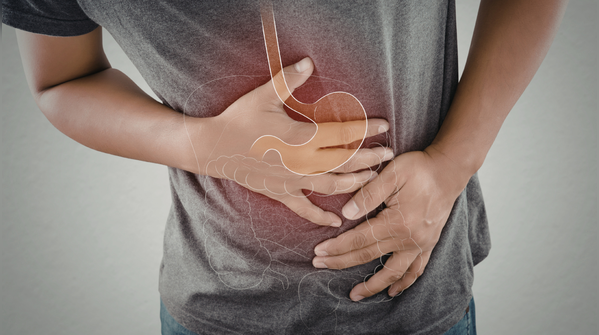
The gut-brain axis: The invisible highway between emotions and digestion
Scientists often refer to the digestive system as the body's "second brain." While it cannot think, it contains millions of nerve cells that communicate continuously with the central nervous system.
This communication network is called the gut-brain axis.
When stress appears, the brain prioritises survival. It prepares the body to react quickly. In that moment, digestion becomes less important than dealing with the perceived threat.
As a result, blood flow is redirected, digestive muscle contractions can speed up or slow down, and the production of digestive juices may change. The effects can be felt surprisingly fast.
Dr Misra said, "The digestive system is very sensitive to emotional changes. Even short-term stress from an exam, presentation, or important meeting can cause stomach-related symptoms."
This explains why a student may lose their appetite before an exam or why someone heading into a tense office meeting suddenly develops abdominal discomfort.
What feels like "just stress" is actually a complex interaction between hormones, nerves, and the digestive tract. Research on the gut-brain axis continues to show how closely emotional and digestive health are linked.

When stress stops being temporary, the gut pays a bigger price
Short-term stress can be uncomfortable, but chronic stress can create a much larger problem.
Months or years of ongoing pressure can change eating patterns, affect gut bacteria, disrupt sleep, and worsen existing digestive conditions.
Dr Misra explained, "Chronic stress can worsen digestive issues like irritable bowel syndrome (IBS), acid reflux, and indigestion. It can also affect eating habits; some people overeat while others lose their appetite, both of which hurt gut health."
The impact does not stop there.
Poor sleep, a common companion of stress, can further disrupt digestive function.
"Stress-related sleep problems also play a part. Poor sleep affects metabolism and disrupts the balance of healthy gut bacteria, which are vital for digestion and immunity. Over time, this imbalance may lead to inflammation and ongoing digestive discomfort," says Dr Misra.
While attitude alone cannot eliminate stress, it highlights how deeply the mind and body influence each other.

Why modern life keeps the gut under pressure
The body was designed to handle occasional threats, not endless notifications, deadlines, traffic, financial worries, and late-night screen scrolling.
Unfortunately, modern stress rarely arrives in short bursts. It tends to linger.
A stressful email can interrupt lunch. A work call can continue through dinner. A sleepless night can affect digestion the next morning.
This constant state of alertness keeps stress hormones circulating longer than they should.
The challenge is that many people normalise digestive discomfort. Acidity becomes routine. Bloating becomes expected. Constipation becomes something to tolerate.
The body, however, may be sending a message that it needs attention.

Small daily habits can calm both the mind and the gut
The encouraging news is that supporting digestive health often starts with managing stress more effectively.
According to Dr Misra, "Managing stress is crucial for digestive health. Simple lifestyle changes like eating meals on time, drinking enough water, exercising regularly, and getting sufficient sleep can be very helpful."
She also recommends practices that help calm the nervous system.
"Mind-body practices such as yoga, meditation, deep breathing, or taking short breaks during a busy day can calm the nervous system and enhance gut function."

A few practical habits that can make a difference include:
Eating meals at consistent times every day.
Avoiding rushed eating and chewing food properly.
Taking short movement breaks during long work hours.
Reducing screen exposure before bedtime.
Prioritising seven to eight hours of sleep.
Practising breathing exercises for a few minutes daily.
Staying physically active through walking, yoga, or other forms of exercise.
Most importantly, persistent digestive symptoms should never be ignored.
Dr Misra advised, "It's also important to pay attention to ongoing symptoms. Frequent acidity, persistent bloating, unexplained stomach pain, or significant changes in bowel habits should be checked by a doctor instead of brushed off as 'just stress.' The body often shows emotional overload through physical symptoms, with the gut being one of the first organs to respond."

Disclaimer
This article is intended for informational and educational purposes only and should not be considered medical advice. Individuals experiencing persistent digestive symptoms, severe abdominal pain, unexplained weight loss, or significant changes in bowel habits should consult a qualified healthcare professional for evaluation and treatment.
Featured In etimes

