
Autism detection alert: Study says new urine test could help spot signs in young children years earlier

New urine test could help diagnose autism in young children
For those who have gone through it, know the ordeal: the path to an autism diagnosis often stretches on for months or years. Parents notice something, but actually getting answers means waiting for appointments, seeing specialists, and sitting through long testing sessions. The clock ticks, and families know that early help is key, but sometimes, it feels out of reach.
Moreover, current autism assessments largely rely on behavioral observations, developmental evaluations, and specialist consultations. Sure, these methods remain the gold standard, but the daunting waiting times and limited access to specialists can delay diagnosis. Consequently, access to early support and intervention gets delayed as well.
But it seems like that scenario is about to change.
Researchers say a simple urine test may one day help change that.
What does that research reveal?

What does the research say?
Scientists at Arizona State University say they’ve created a new urine test that could make this process much faster. Their experimental test looks for specific chemicals in urine tied to autism and, in the future, might spot signs in kids as young as two. The study appeared in Molecular Psychiatry, and researchers think identifying biological markers in urine could lead to earlier screenings. In fact, with autism diagnoses skyrocketing 175% between 2011 and 2022, spotting the developmental disorder sooner, rather than later, could mean better treatment options.
However, the researchers were quick to add: This test isn’t ready for your doctor’s office yet. It needs much larger studies to make sure it works across different kids. Still, it’s an important step toward finding a quick, objective way to flag children who need further autism assessment.
The key point here? The gut. Scientists have spent years studying how the gut microbiome, the huge collection of microbes in our digestive system, relates to brain development and autism. Many autistic kids have gut microbiota that differ from those of their non-autistic peers. These bugs release chemicals called metabolites, some of which affect mood, behavior, and brain activity.
What happened in the study?
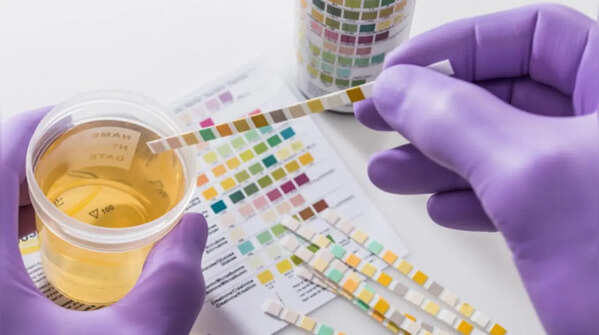
In this study, researchers collected urine from 99 children (52 with autism and 47 typical). They looked for 17 different microbial metabolites using a system called MDM. What they found stunned them: almost every autistic child had at least one metabolite at sky-high levels, levels never seen in typical kids. Some kids had several. Some individual chemicals were hundreds or thousands of times higher in the autism group.
And why does that matter?
Many of these molecules relate to the brain’s communication chemicals, like serotonin and dopamine. Those brain messengers are front and center in autism, affecting attention, behavior, and mood.
Maybe the most striking finding: the test correctly spotted about 90% of autistic kids and didn’t falsely flag any kids in the control group. That’s a really high accuracy rate, and if it stands up in more kids, it’s a game changer.

What exactly is autism?
Autism spectrum disorder (ASD) is a lifelong neurodevelopmental condition that affects social interaction, communication, and behavior, characterized by difficulties with social communication and restricted or repetitive patterns of behavior.
But why is it known as “spectrum”? Because the range of symptoms and their severity vary widely among individuals.
While early signs can appear in childhood, autism is a lifelong condition that requires support, though not all individuals with autism need the same level of assistance.

The bottom line
If this screening tool gets validated in large studies, it means more autistic kids could be identified much earlier. That matters because early intervention works. Kids get support when the brain is developing and can make big gains in social skills, communication, and learning.
However, the researchers want to set expectations. A urine test can’t diagnose autism on its own. Autism is still defined by behavior: think communication styles, how kids play, and sensory issues. No lab test can capture all those things, so the urine test would serve as a fast screening tool, flagging kids who should get a full evaluation by specialists.
Besides, there’s also the idea that autism may have different biological “subtypes.” The Arizona researchers think they’ve found an ASD-MDM group — kids whose symptoms are tied to certain gut metabolites. In their study, 80–90% of kids with autism were placed in that group.
Other scientists are excited but cautious. The sample size was small, as it was just 99 kids. So bigger studies are crucial before the test becomes routine. There are also unknowns: How do diet, age, or medications factor in? Could gut problems unrelated to autism skew the results?
What's ahead?
This isn’t the first time scientists have chased biological markers for autism (via blood, genetics, images, or stool), but so far, nothing has replaced careful observation and expert assessment.
Despite all these considerations, this study is a big step. For decades, autism diagnosis has depended mostly on what professionals see and hear. Now, there’s proof that a simple biological clue, found in a urine sample, might become part of the process, getting families support sooner and making diagnosis less of a marathon.
Right now, it’s experimental, sure. But for parents waiting in line for answers, a future with faster, more straightforward autism screening is worth hoping for.
Featured In etimes

