
- News
- etimes
- animals-pets
- From elephant aunties to lesbian birds: 5 wild animal queens that rule harder than humans ever could
From elephant aunties to lesbian birds: 5 wild animal queens that rule harder than humans ever could
5 wild animal queens that rule harder than humans ever could
Women matriarchs are exemplary leaders, especially when they are ones helming their own in the wild. The animal kingdom is an enigmatic ecosystem that humans have yet to completely explore and comprehend. Numerous bonds and natural processes exist of which most people remain unaware, no matter how many 'did you know' posts and 'animal documentaries' they watch. Especially, when it comes to the females of the wild, behaviour and roles can be extremely varying yet immensely interesting. Here are 5 shocking facts you definitely didn't know about the matriarchs of the wild:

Elephants
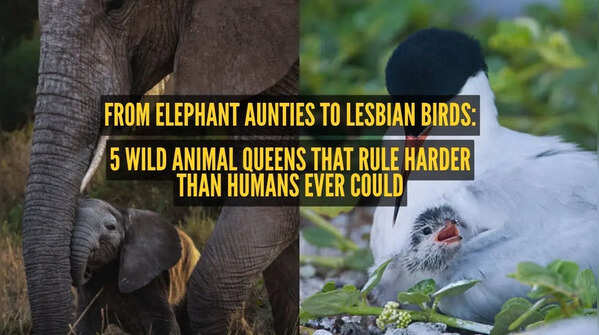
The bond between your mother and aunt isn't the only one that feels like glue, Elephant sisters, especially in Africa, live in matriarch-led family groups of related females and calves. Unlike male elephants who leave the herd once they mature, females are known to have one of the strongest social bonds. Elephant sisters and aunts help raise each other's calves while younger females even act as "allomothers", practising babysitters.
Clownfish
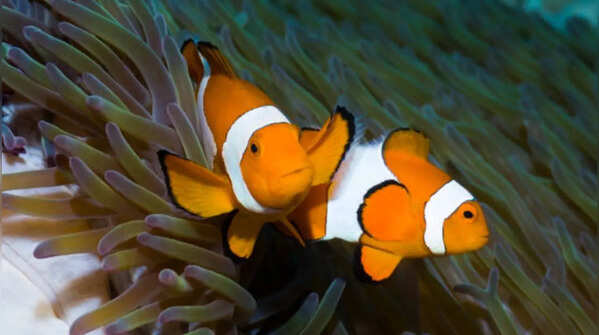
When is a male, a female? When it's a clownfish! Yes, clownfish are capable of sex change. All of them are born as males, but as they grow older and bigger, they eventually become females through a process known as protandrous sequential hermaphroditism or protandry. Moreover, male clownfish guard the eggs until they hatch and are the primary caretakers of their young, with females only helping on occasion. Remember, Nemo was also a clownfish...
Meerkats
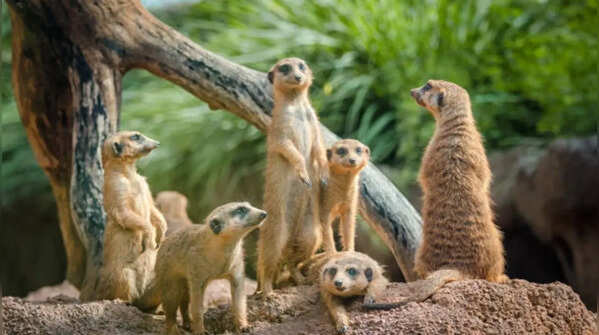
Remember Timon from The Lion King? Well, the world of that wisecrack meerkat is one of intriguing wonder. Meerkats live in a matriarchal group of 12-15. Each group has one dominant female who is the multigenerational leader of the group. However, she is also the only one who is allowed to reproduce and give birth to the babies. She maintains social order, leads foraging trips and watches over the pups.
Stick Insects
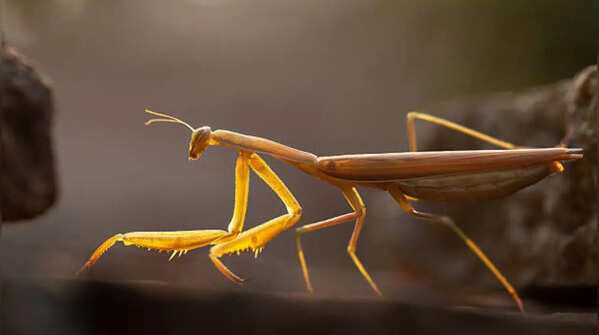
Who needs males? Not stick insects for sure. Stick insects are known for their camouflage and imitation to be a stick, a leaf or a twig. One of the most interesting facts about these insects is that their females can reproduce parthenogenetically, that is, without males. The unfertilised eggs produced by the females hatch into females. However, in order to birth a male, a male has to fertilise the eggs. If there are no males around, the line continues with females only.
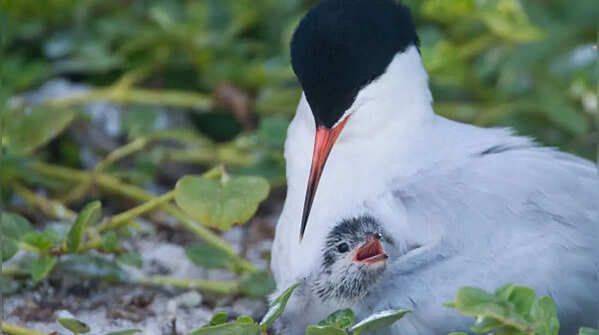
Roseate Terns
Considered to be the most beautiful of all terns, the Roseate Tern might be that glowing due to the absence of males in their lives. Pairs among these terns can be heterosexual and homosexual (within females). They often live in pairs of two or more, lay eggs in the same nest and incubate them together. The females don't partner with males for more than breeding seasons, while female-female pairs live together for 5 consecutive years. Many colonies of Roseate Terns have more females than males up to a ratio of 3:1.
Featured In etimes

