
- News
- Business News
- India Business News
- Delhi-Dehradun Expressway: Travel From Delhi To Dehradun In Just 2.5 Hours! Check Top Facts & Photos
Delhi-Dehradun Expressway: Travel From Delhi To Dehradun In Just 2.5 Hours! Check Top Facts & Photos
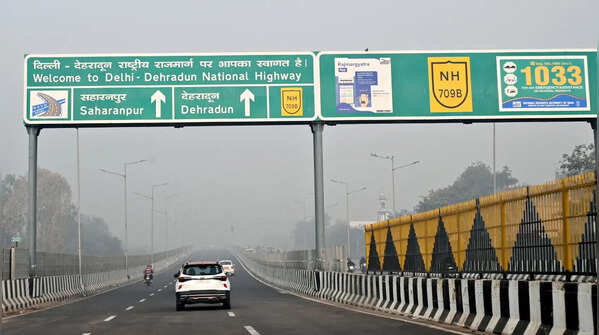
Delhi-Dehradun Expressway: Check Top Facts & Photos
Delhi-Dehradun Expressway inauguration: Prime Minister Narendra Modi has inaugurated the Delhi-Dehradun Expressway, which is also being called the Delhi-Dehradun Expressway Economic Corridor. The new expressway built under National Highways Authority of India is an access-controlled roadway corridor that will substantially reduce the travel time between Delhi and Dehradun. The full expressway was thrown open on April 14, 2026. From a unique wildlife corridor to route map, here are top facts and photos of the Delhi-Dehradun Expressway:
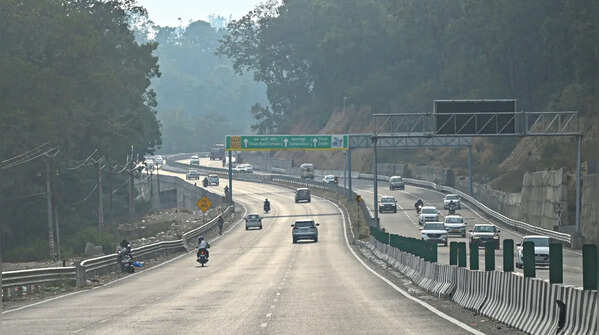
Delhi-Dehradun Expressway Time Taken
Delhi-Dehradun Expressway: The Delhi-Dehradun Economic corridor is being seen as a gamechanger as it will cut down travel time between the two cities drastically from the current six hours to just 2.5 hours. (Photo by Anindya Chattopadhyay, TNN)
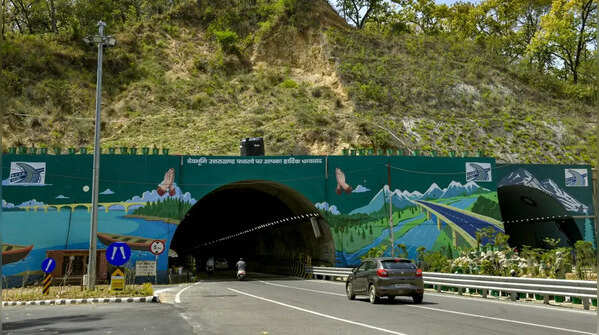
Delhi-Dehradun Expressway Cost
Delhi-Dehradun Expressway Cost: The six-lane, access-controlled Delhi-Dehradun Economic Corridor has been built at a cost of over Rs 12,000 crore. It passes through Delhi, Uttar Pradesh and Uttarakhand. (PTI Photo)
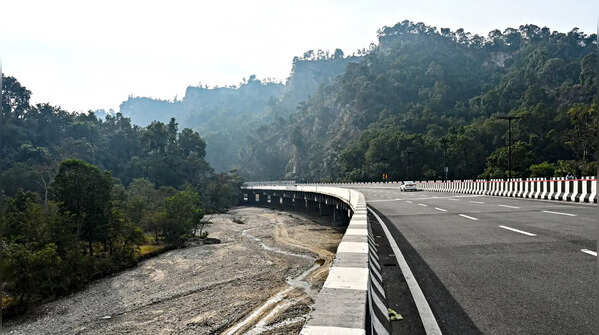
Delhi-Dehradun Expressway Length
Delhi-Dehradun Expressway Length: The Delhi-Dehradun Economic corridor stretches over 213 kilometres. According to a TOI report, FASTag Annual pass users will pay a toll of just over Rs 60 for a one-way trip while crossing four toll plazas. (Photo by Anindya Chattopadhyay, TNN)
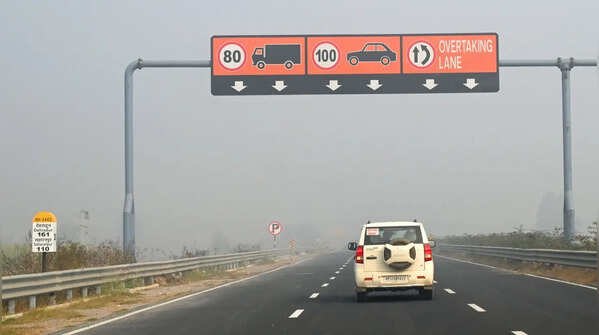
Delhi-Dehradun Expressway Speed Limit
Delhi-Dehradun Expressway Speed Limit: As per an earlier TOI report, the speed limit of vehicles on the Delhi-Dehradun Economic corridor is 80 kmph for trucks and 100 kmph for cars. (Photo by Anindya Chattopadhyay, TNN)
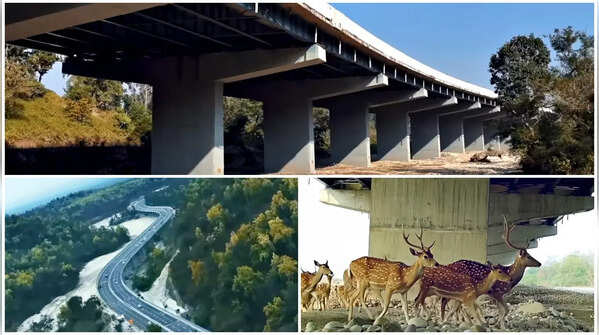
Delhi-Dehradun Expressway Wildlife Corridor
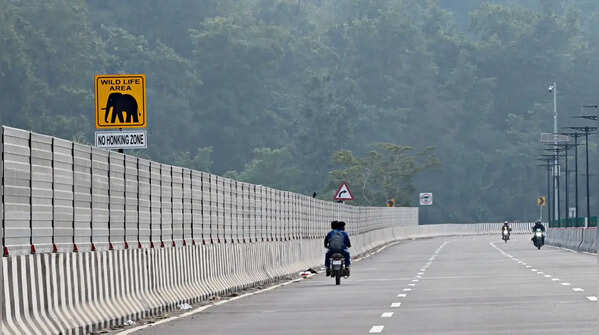
Given the ecological sensitivity and biodiversity of the region, the Delhi-Dehradun Economic corridor has been planned with multiple design elements to minimise human-wildlife conflict.
It includes several measures to allow unhindered animal movement, such as a 12 km long elevated wildlife corridor, among the longest in Asia. It cuts through the sensitive Rajaji National Park in the Shiwalik Hills.
Other features include eight designated animal crossings, two elephant underpasses of 200 metres each, and a 370 metre tunnel near the Daat Kali temple. (Screengrabs from video shared by PM Modi)
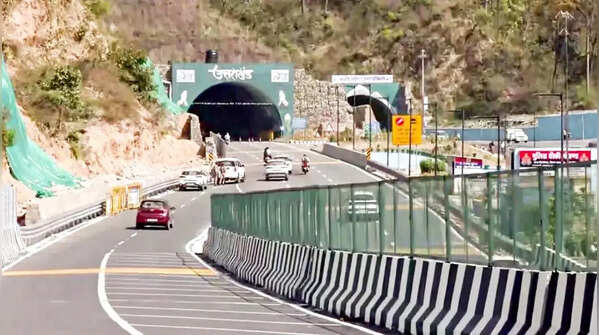
Delhi-Dehradun Expressway Interesting Facts
The Delhi-Dehradun Economic Corridor project scope also covers the development of 10 interchanges, three railway over bridges, four major bridges and 12 wayside facilities, all aimed at enabling smooth and high-speed movement.
In addition, the corridor is fitted with an Advanced Traffic Management System to enhance safety and improve overall travel efficiency. (ANI Photo)
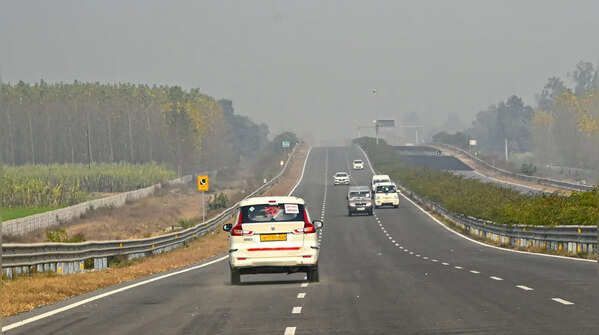
Delhi-Dehradun Expressway Built in Phases
From a planning perspective, the corridor has been structured into four phases
The initial 31.6 km stretch from Akshardham to Khekra, close to the Eastern Peripheral Expressway, is primarily a brownfield segment, where the existing route has been transformed into a six-lane elevated road along with a parallel service lane.
The second phase, covering 120 km from the EPE interchange at Baghpat to the Saharanpur bypass, has been developed entirely as a greenfield project.
The third phase, spanning nearly 42 km from the Saharanpur bypass to Ganeshpur in Uttarakhand, has already been completed.
The final segment, about 20 km long from Ganeshpur to Dehradun, includes a 4.6 km upgraded stretch, with the rest constructed afresh. (Photo by Anindya Chattopadhyay, TNN)
Delhi-Dehradun Expressway Cities
The highway runs through districts including Baghpat, Muzaffarnagar, Shamli and Saharanpur before reaching Uttarakhand.
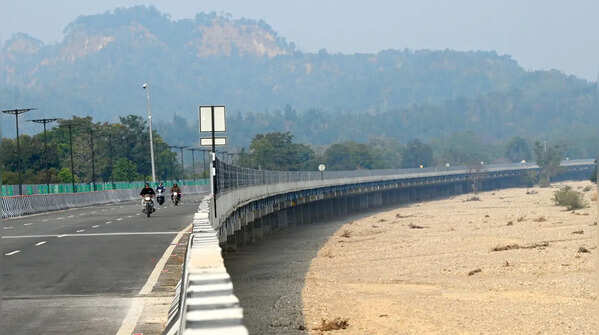
To ensure smooth high-speed movement while maintaining local connectivity, the project includes 113 vehicular underpasses, 62 bus shelters, and nearly 76 km of service roads.
It also features multiple access points, designated entry and exit zones, as well as a network of roadside facilities. Additionally, provisions such as regular rainwater harvesting systems and groundwater recharge points have been integrated into the design. (Photo by Anindya Chattopadhyay, TNN)
Delhi-Dehradun Expressway Benefits
The Delhi-Dehradun Economic Corridor is expected to significantly boost regional economic activity by improving connectivity between key tourist and commercial hubs, while also creating new opportunities for trade and development. (Photo by Anindya Chattopadhyay, TNN)
Featured In Business

