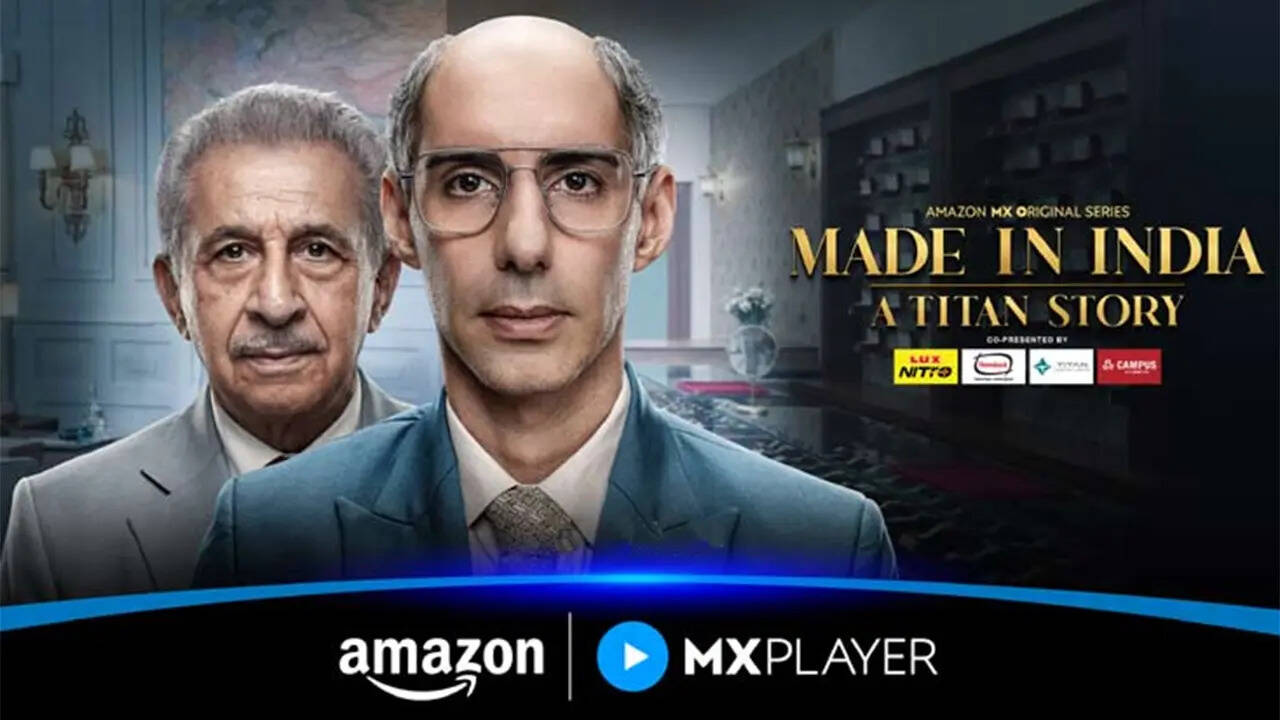
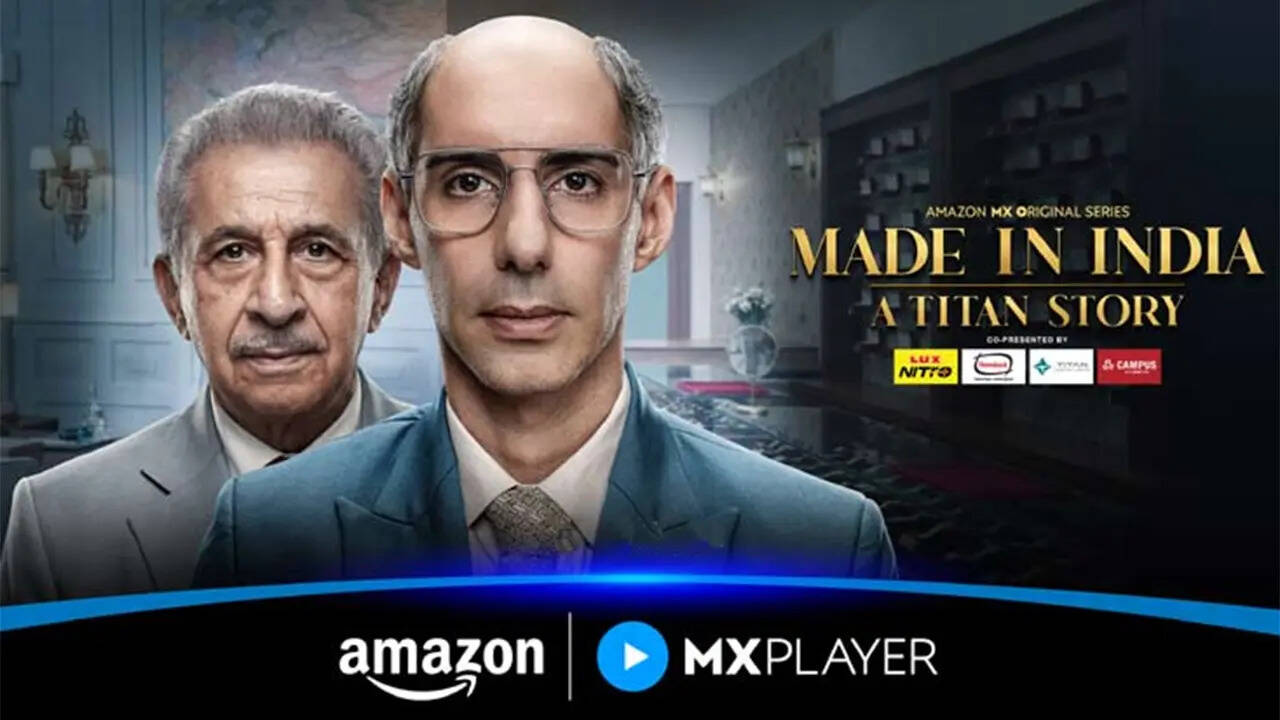
Story: Made in India: A Titan Story chronicles how Titan grew into a household name, driven by the ambition of Xerxes Desai and the guidance of JRD Tata. The series looks at the people and ideas that helped build an iconic Indian brand.
Review: Made in India - A Titan Story tells the story behind one of India’s most recognisable consumer brands and does so in an engaging manner. What could have easily turned into a dull corporate drama instead unfolds like the story of a man chasing an idea that most people around him considered unrealistic. Spread across six episodes, each running under an hour, the series traces the rise of Titan and the determination of Xerxes Desai, the man who helped turn it into a success. Strong performances from Jim Sarbh and Naseeruddin Shah keep the narrative grounded. There are moments when the series appears eager to celebrate the Tata legacy and looks like a show reel of the brand, but once the focus shifts to the people behind the brand, it becomes easy to get invested in their journey.
The story follows Xerxes Desai (Jim Sarbh), a Tata executive who is sent on deputation to work with NBIDC, the government-owned firm, for the development of Navi Mumbai. After proving his worth there, he is offered a permanent position but chooses to return to the Tata Group, which he sees as home. Back at Bombay House, however, he discovers that the company has moved on without him, and there is little left on his desk to excite him. Looking for a challenge, he approaches J. R. D. Tata (Naseeruddin Shah) and is asked to revive Tata Press. As he studies the business and speaks with employees, vendors, and stakeholders, he realises that the company can only be improved to a point. Around the same time, he notices the enormous demand for smuggled watches in India. That observation eventually sparks an idea that would change the course of his career and create an Indian brand that millions would come to trust.
One of the more unusual choices made by the makers is the use of popular Bollywood songs throughout the series. On paper, it sounds like a risky idea, but it works more often than not. The music helps establish the mood of different events and gives the show a sense of movement. The recreation of the 1980s and 1990s is convincing without drawing too much attention to itself. Whether it is the offices, the markets, the clothing, or the overall atmosphere, the period detailing feels carefully thought out. The use of archival footage also adds authenticity. Just as importantly, the writing keeps introducing new problems and fresh challenges, which prevents the story from becoming repetitive despite its corporate setting.
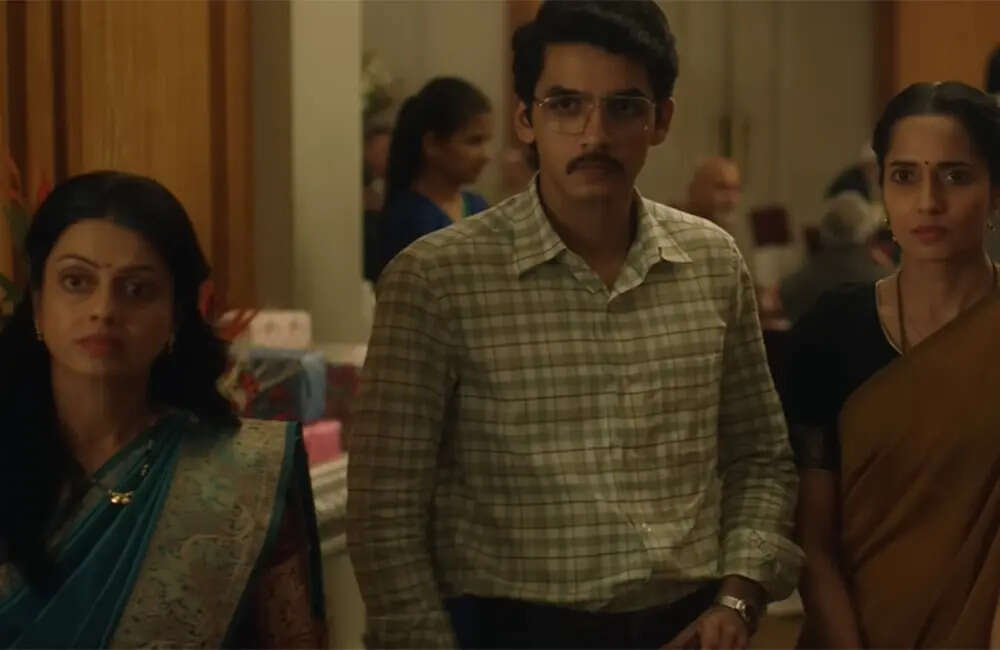
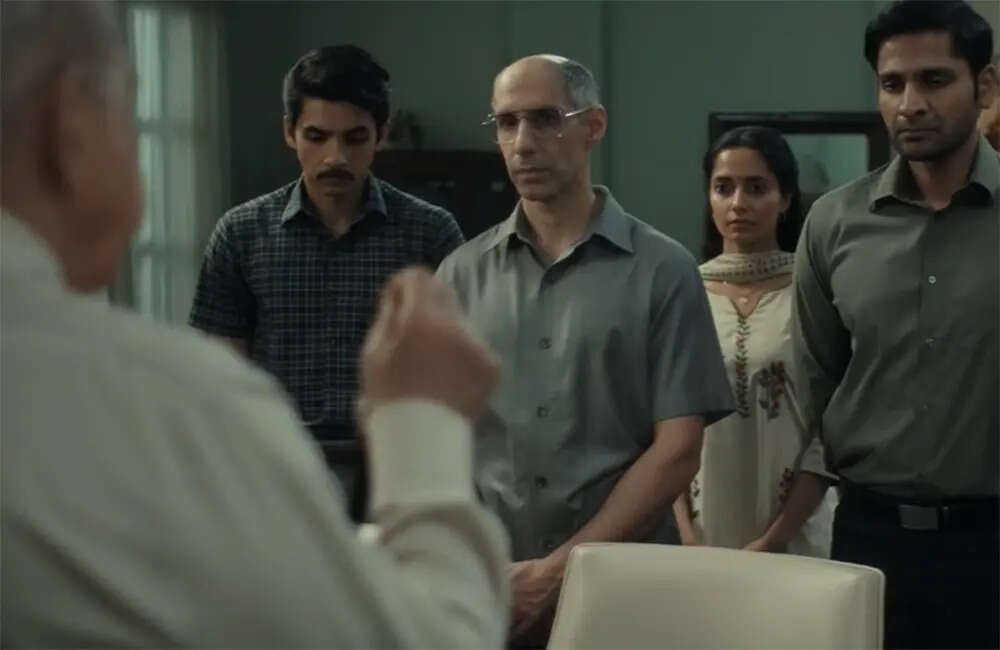
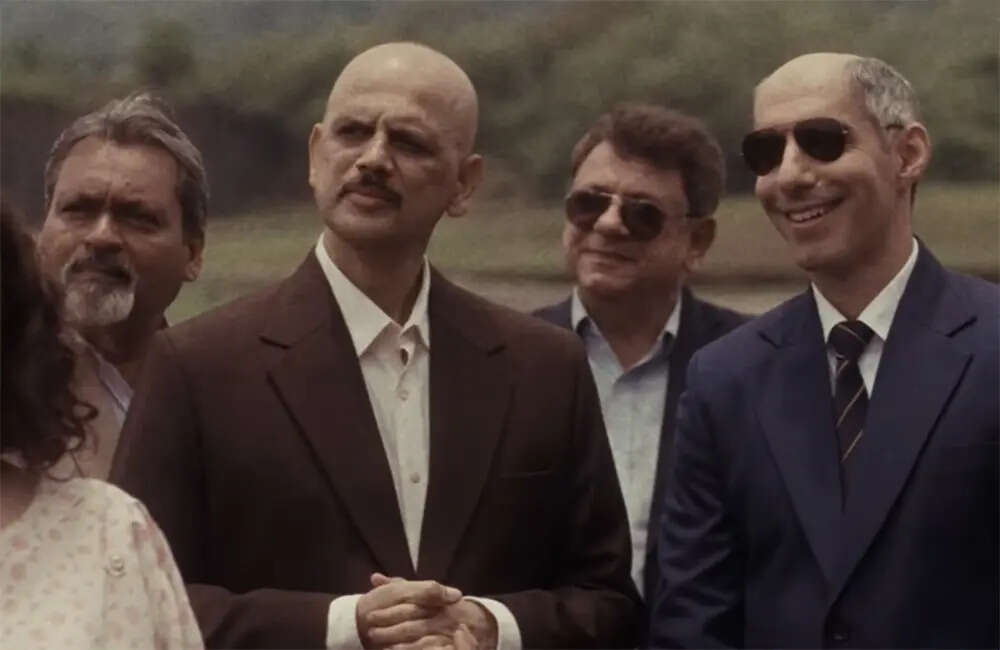
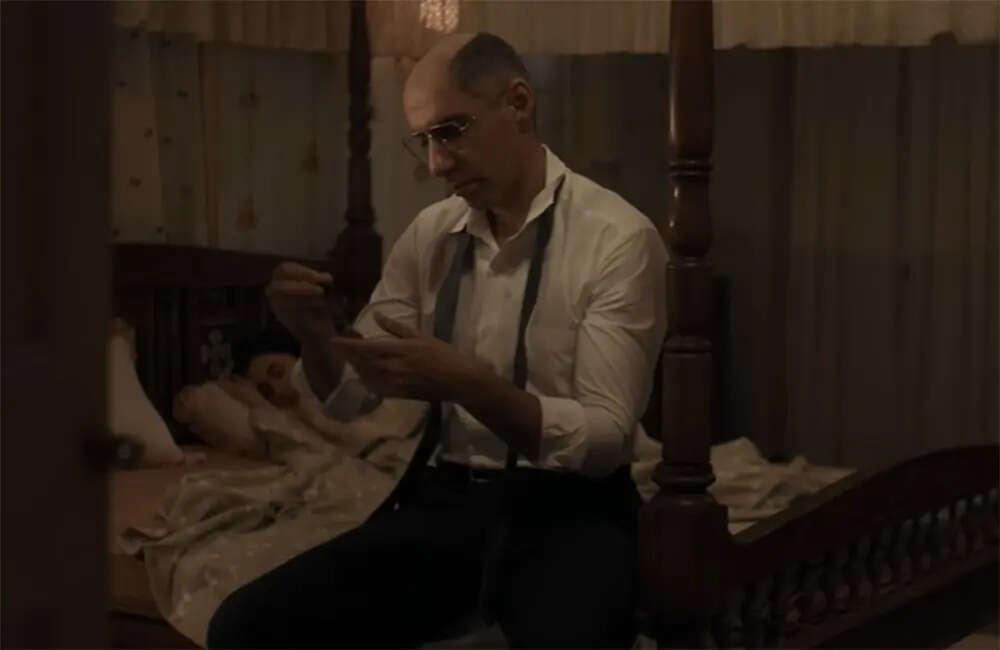
Based on Vinay Kamath’s book, Titan: India’s Most Successful Consumer Brand, a large part of the series works because the casting feels spot on. Jim Sarbh brings intensity to Xerxes Desai without turning him into a larger-than-life figure. A man who always believed in ‘demonstration over discussion,’ Sarbh plays him as a man completely absorbed by his work, yet someone who remains approachable to the people around him. Sarbh never pushes too hard, and that restraint benefits the character. Naseeruddin Shah is equally impressive as J. R. D. Tata. Right from his mannerisms to the way he speaks and his attire, he captures the personality with remarkable ease. The scenes between Shah and Sarbh are easily among the strongest in the series because they quietly show the trust and respect shared by the two men. Vaibhav Tatwawadi delivers solid support as Akash Bansal, while Kaveri Seth and Lakshvir Singh Saran fit comfortably into the world the series creates.
The series leaves an impression as it pays equal attention to its smaller moments as much as its larger achievements. The sequence in which JRD decides not to wear a watch until Tata manufactures one of its own is handled with warmth, and the gesture gains even more meaning when Xerxes and Akash follow his lead. There are also lighter moments, including JRD teasing Xerxes about his improving Hindi, that add charm to the narrative. Not everything works perfectly, and a few scenes lean too heavily into celebrating the company, but those issues never derail the story. Director Robbie Grewal approaches the material with sincerity and keeps the focus on the people rather than the brand itself. Made in India - A Titan Story is less about watches and more about vision, persistence, and the belief that a good idea can come from simply paying attention to what people need.
















































































 Robbie GrewalDirector
 Kaveri SethActor
 Lakshvir SaranActor
 Vaibhav TatwawaadiActor
 Jim SarbhActor
 Naseeruddin ShahActor










0/5