
- News
- lifestyle
- travel
- destinations
- Indian towns where clouds float through the streets
Indian towns where clouds float through the streets
Indian towns where clouds float through the streets
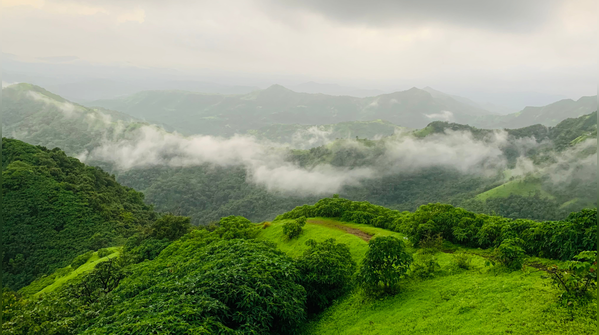
There are hill towns in India where clouds are something you admire from a viewpoint. And then there are places where clouds become part of daily life, rolling across roads. In these towns, visibility changes by the minute. One moment you are looking at a valley; the next, the landscape disappears into white.
These are the places where you don’t just see clouds; you walk through them.
Image Credit: Canva
Mawsynram, Meghalaya
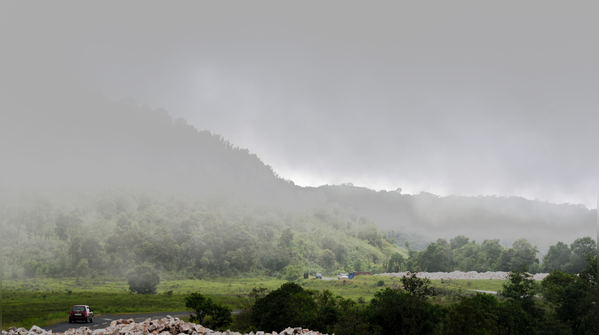
About 61 km from Shillong, Mawsynram sits in Meghalaya’s East Khasi Hills and is known as the wettest place on Earth. Here, clouds don’t hover above the landscape, they descend directly onto roads, rooftops and fields.
During monsoon, visibility can drop within seconds as mist rolls through the village. Tin roofs echo constantly with rain, waterfalls appear out of nowhere, and entire hillsides vanish behind white curtains of cloud.
You can take slow village walks, nearby caves like Krem Puri, and viewpoints overlooking Bangladesh when the skies briefly clear. The best way to reach is by road from Shillong, which is connected to Guwahati airport and railway station by shared cabs and buses.
Image Credit: Canva
Shillong, Meghalaya
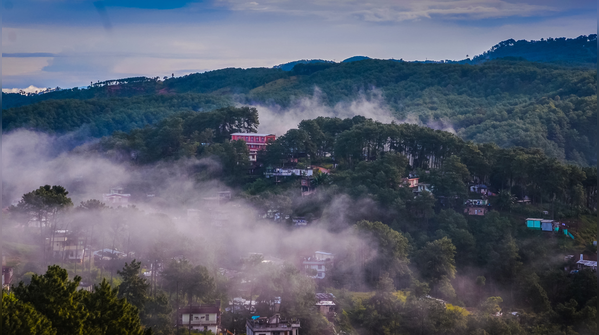
Shillong feels different in the rain. Pine-covered slopes darken into deep green, cafes fog up from inside, and clouds drift lazily across colonial-era lanes.
In areas like Upper Shillong and Laitkor, entire roads disappear into thick mist during monsoon showers. Even familiar city spaces like Police Bazaar or Ward’s Lake feel softer and quieter under constant cloud cover.
You can spend days cafe-hopping, walking around heritage neighbourhoods, or taking short drives to places like Shillong Peak, Elephant Falls and Umiam Lake. Shillong is around 100 km from Guwahati and is easily accessible by shared taxis or private cars.
Image Credit: Canva
Sohra, Meghalaya
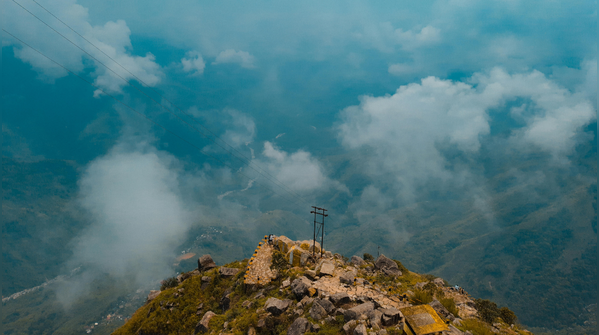
Still widely known by its older name, Cherrapunji, Sohra is one of those places where the journey becomes the destination. The road from Shillong repeatedly plunges into cloud banks so dense that headlights glow like halos.
The town itself often sits inside moving fog. Waterfalls emerge briefly between clouds, and roadside pines disappear mid-trunk.
You can visit Nohkalikai Falls, the living root bridge trails around Nongriat, and dramatic cliff-edge viewpoints overlooking Bangladesh. Sohra is about a 2-3 hour drive from Shillong and works best as part of a longer Meghalaya road trip.
Image Credit: Canva
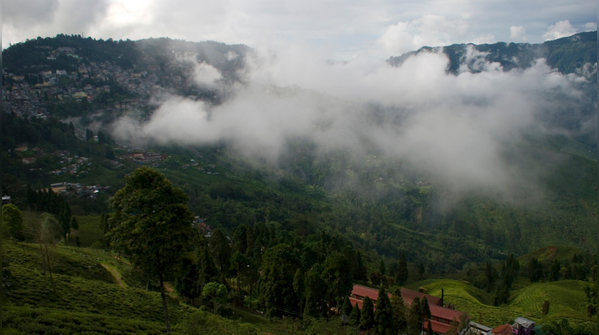
Darjeeling, West Bengal
Darjeeling has always belonged to the imagination of rain and fog. Sometimes Kanchenjunga appears in perfect clarity. Sometimes you see nothing beyond the next lamp post. Both experiences somehow feel equally Darjeeling.
Take a walk around Chowrasta, ride the toy train, visit tea estates and drink endless cups of hot tea while rain taps softly against old windows. Darjeeling is reached from New Jalpaiguri or Bagdogra via a 3–4-hour mountain drive.
Image Credit: Canva
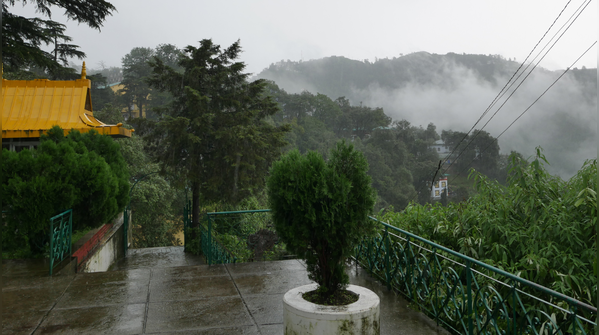
Mussoorie, Uttarakhand
Mussoorie during monsoon feels like a hill station built inside moving fog. Clouds rise dramatically from the Doon Valley, often spilling directly onto Mall Road and the winding roads leading to Landour. The experience here is deeply sensory: wet pine smell, chai steam against cold air, dripping balconies and headlights cutting through mist.
Explore Mall Road, Landour’s quieter cafes, and nearby waterfalls like Kempty Falls. The town is about 1–1.5 hours uphill from Dehradun, which is connected by rail and flights from major Indian cities.
Image Credit: Canva
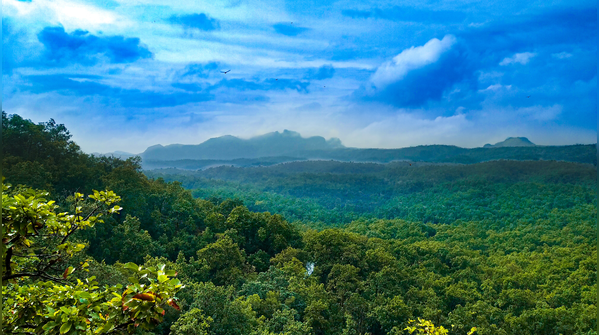
Pachmarhi, Madhya Pradesh
Unlike Himalayan hill stations, Pachmarhi offers clouds drifting through sal forests and sandstone plateaus instead of pine-covered ridges. Located in the Satpura hills, the town becomes intensely green during monsoon. Waterfalls gush at full strength, fog hangs low across forests, and roads vanish into soft grey cloud.
Visit Bee Fall, Dhoopgarh, caves and forest viewpoints. The mood here is quieter and less commercial than better-known hill stations. Pachmarhi is usually reached from Pipariya railway station, about 50 km away.
Image Credit: Canva
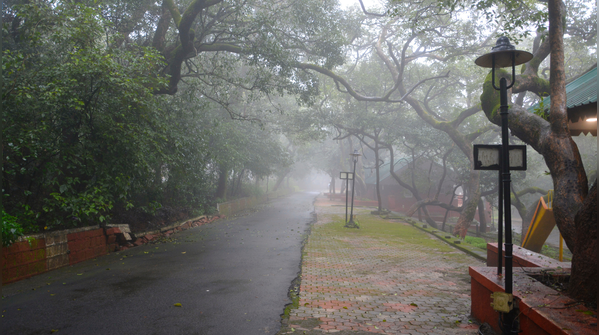
Mahabaleshwar, Maharashtra
In monsoon, Mahabaleshwar becomes a town ruled entirely by weather. Clouds race through the Western Ghats, visibility drops to a few metres, and viewpoints disappear into white emptiness.
The experience here is less about sightseeing and more about slowing down, long walks near Venna Lake, hot corn and chai stalls, and sudden bursts of rain that transform the landscape within minutes. Mahabaleshwar is around three hours from Pune and roughly five to six hours from Mumbai by road.
Image Credit: Canva
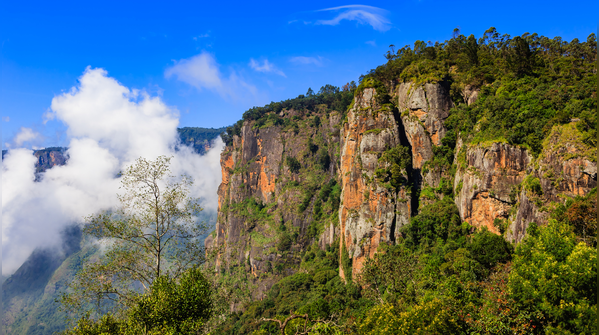
Kodaikanal, Tamil Nadu
Kodaikanal’s Coaker’s Walk is probably one of the few places in India where you can literally walk through clouds. Mist sweeps across the pathway, briefly revealing valleys before covering them again seconds later.
Around Kodai Lake, roads fade into white layers of fog while eucalyptus and shola forests drip after rain. Even famous viewpoints like Pillar Rocks and Upper Lake View often sit entirely inside cloud cover during monsoon. The town is connected by road to Madurai, Dindigul and Kodai Road railway station, all a few hours away by ghat roads.
Image Credit: Canva
Featured In lifestyle

