
- News
- lifestyle
- home-garden
- Is cinnamon actually good for your plants? Here’s why gardeners are using it more often
Is cinnamon actually good for your plants? Here’s why gardeners are using it more often
Is cinnamon actually good for your plants? Here’s why gardeners are using it more often
While the kitchen spice cinnamon is familiar to many homeowners, an increasing number of plant lovers have discovered its potential uses in gardening. From preventing fungi to protecting seedlings, cinnamon has gained popularity amongst natural gardening enthusiasts in recent years. Although at first glance, this idea seems quite surprising, gardening experts state that cinnamon contains some properties which can contribute to plants' healthy growth. However, like many home remedies, it can be effective only in appropriate dosages. Therefore, here are six uses of cinnamon in gardening and why many people think that this spice may actually help plants.

Cinnamon can prevent fungal growth
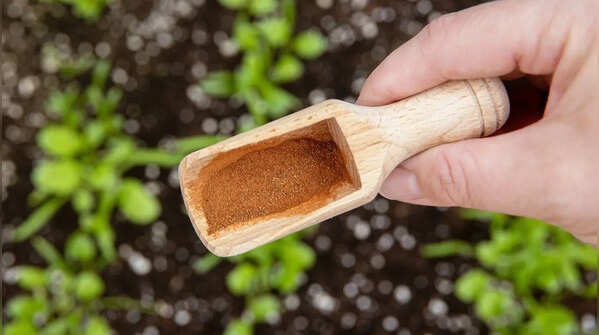
One of the main reasons why gardeners use cinnamon is that this spice can help to avoid fungi. High levels of moisture and humidity tend to provide perfect conditions for fungi to grow. Especially during monsoon seasons, cinnamon powder sprinkled on the soil can serve as an excellent preventative measure. As a general rule, this spice works great both for outdoor and indoor gardens, especially seedlings, which require careful attention.

Cinnamon can be applied to the plant stem
In case the plant stem got any damage due to cutting or pruning, gardeners sometimes cover their cuts with a little bit of cinnamon. Such a procedure helps to dry out these parts of plants and thus protects them from possible infections or fungi. As a rule, such a technique is often used by gardeners who deal with indoor plants and succulents. However, experts note that one should use cinnamon as an auxiliary measure.
Cinnamon is used for planting seeds
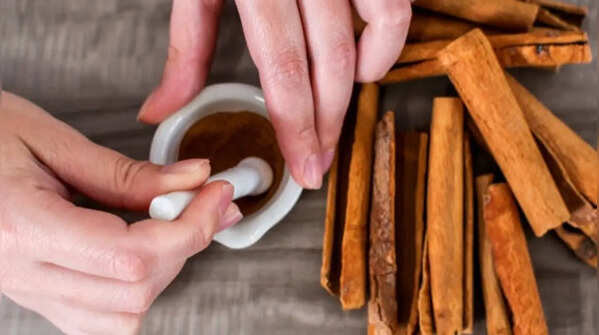
As mentioned above, seedlings are rather vulnerable and can die from infections like damping-off. This is why gardeners prefer to use cinnamon while planting seeds since they believe it can create a better environment for germination. Because this spice is natural and affordable, people have been applying it while cultivating seeds at home since the very beginning of the Internet. However, proper air and water management are also required.

Cinnamon can repel ants around pots
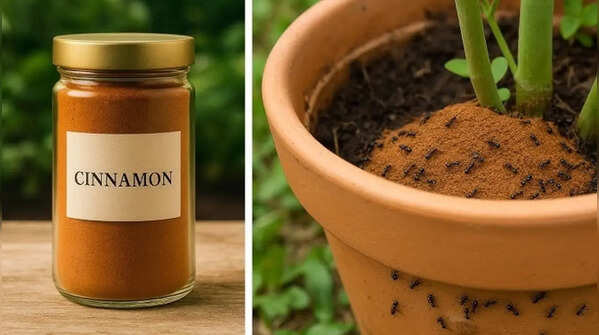
Another way people use this spice is that it helps to deter some insects. Namely, as a matter of fact, spicy odours usually keep such small pests as ants away. This is why many people apply a little bit of cinnamon around pots and other spots in their gardens. However, as a general rule, cinnamon serves as a supplementary measure against insects along with other techniques.

One should use cinnamon in moderation
Even though there are many uses of this spice in gardening, many experts warn that excessive amounts of cinnamon could negatively affect soil and roots. In addition, thick layers of powder can actually trap moisture. This is why experts advise applying only small quantities of this spice when it is needed. Similar to other home remedies, cinnamon can be a good gardening tool if used responsibly.

Natural gardening remedies are getting popular nowadays
Due to the increasing trend of organic products, many people prefer to use natural ingredients in gardening since they do not want to use chemicals in their homes and near food plants. Nowadays, people frequently apply such products as cinnamon, neem oil, or garlic spray in their gardens. Such techniques have gained a lot of popularity on social media platforms.
Disclaimer:
This article is for general informational and gardening awareness purposes only. Results from natural remedies like cinnamon may vary depending on plant species, soil conditions, and environmental factors.
Featured In lifestyle

