
- News
- lifestyle
- health-fitness
- weight-loss
- 20 minutes visceral fat-burning exercise routine to try at home
20 minutes visceral fat-burning exercise routine to try at home
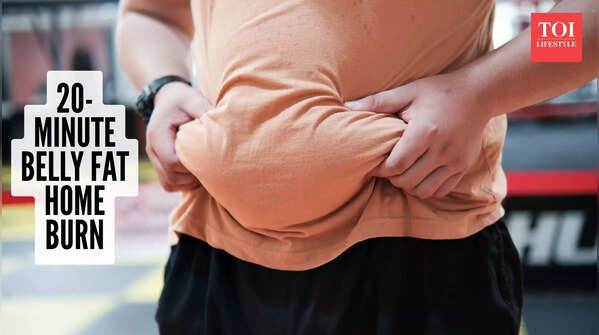
How to lose stubborn belly fat
Visceral fat is the deep fat stored around vital organs. It is not always visible, but it can quietly raise the risk of diabetes, heart disease, and fatty liver. The good news is that visceral fat responds well to the right kind of movement. Short, focused workouts that raise the heart rate and use large muscles work better than long, slow routines. This 20-minute home workout is built on that idea. It mixes steady effort with short bursts of intensity, so the body keeps burning energy even after the session ends.
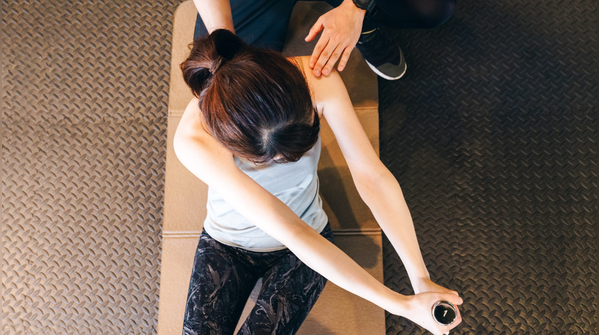
First 3 minutes: Wake the core and lungs
Start with movements that gently raise the heart rate and prepare the core. This step reduces injury risk and improves fat use later.
Do marching in place with high knees for 60 seconds. Keep the chest tall and swing the arms.
Follow this with standing torso twists for 60 seconds. Rotate from the waist, not the shoulders.
End with slow jumping jacks or step jacks for another 60 seconds.
These simple moves signal the body that harder work is coming.

Next 5 minutes: Low-impact cardio flow
This phase keeps the heart rate up without stressing the joints. It suits beginners and regular exercisers alike.
Do brisk spot jogging or fast walking in place for 2 minutes.
Move into alternating forward lunges for 90 seconds. Step back gently to protect the knees.
Finish with side steps and arm swings for 90 seconds.
The steady rhythm here helps the body tap into stored fat, including visceral fat.

Next 4 minutes: Short bursts that matter
Visceral fat reacts strongly to brief intensity spikes. These moves are short but demanding.
Do 20 seconds of fast squats, then rest for 20 seconds. Repeat four times.
Follow with 20 seconds of mountain climbers, then 20 seconds of rest. Repeat four times.
Breathing will be heavy, and that is expected. These bursts improve insulin response and boost calorie burn.

Next 4 minutes: Core-focused strength work
A strong core supports better posture and improves how the body handles fat.
Hold a forearm plank for 30 seconds, then rest for 15 seconds. Repeat three times.
Do slow bicycle crunches for 60 seconds. Focus on control, not speed.
End with standing knee-to-elbow crunches for 60 seconds.
These moves target deep abdominal muscles linked to visceral fat storage.

Next 3 minutes: Controlled fat-burn finish
This phase brings the heart rate down slightly but keeps muscles active.
Do glute bridges for 60 seconds. Squeeze the hips at the top.
Follow with wall sits for 60 seconds. Keep the back flat against the wall.
Finish with slow bodyweight squats for 60 seconds.
This controlled effort supports muscle building, which helps long-term fat loss.

Final 1 minute: Calm the system
End with deep breathing and gentle stretching.
Stretch the hips, hamstrings, and lower back. Breathe slowly through the nose.
This step helps recovery and reduces stress hormones that are linked to belly fat.

Disclaimer
This article is for general information only. It is not a substitute for medical advice. People with medical conditions, injuries, or recent surgeries should consult a qualified healthcare professional before starting any exercise routine. Results may vary based on age, health status, diet, and consistency.
Featured In lifestyle

MORE FROM ETIMES
life & style