
6 teas that help support lung health in high AQI

6 teas that help support lung health in high AQI
When air quality stays poor for days, the lungs don’t get a break. Even without obvious symptoms, polluted air irritates airways, thickens mucus, and quietly increases inflammation. The body does try to defend itself through coughing, detox pathways, and immune responses but gentle daily support can make a real difference. Traditional teas, especially those used in Indian and Asian healing systems, work not as quick fixes but as steady allies. They hydrate, soothe inflamed tissues, and help the lungs clear what they’re forced to inhale. Scroll down to read more.

Tulsi tea
Tulsi is often called the protector herb for a reason. It has anti-inflammatory and antimicrobial properties that help calm irritated airways. In high AQI conditions, tulsi tea supports lung resilience by reducing oxidative stress caused by pollutants. It also helps thin mucus, making breathing feel lighter. Regular intake may support immune defences, which matter when polluted air increases vulnerability to infections.
To make it, take fresh or dried tulsi leaves, simmer for 5–7 minutes, strain, and sip warm.
Ginger tea
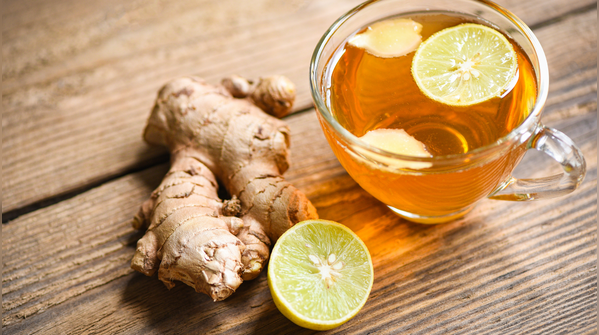
Ginger works deep and fast. Its warming nature improves circulation in respiratory tissues and helps loosen trapped mucus. Studies link ginger compounds to reduced airway inflammation, which is crucial when smog triggers coughing or chest tightness. Ginger tea also supports digestion - important because poor gut health can worsen inflammation everywhere, including the lungs.
To make it, take crushed fresh ginger, boil gently for 10 minutes, add a squeeze of lemon if tolerated.
Mulethi (liquorice root) tea
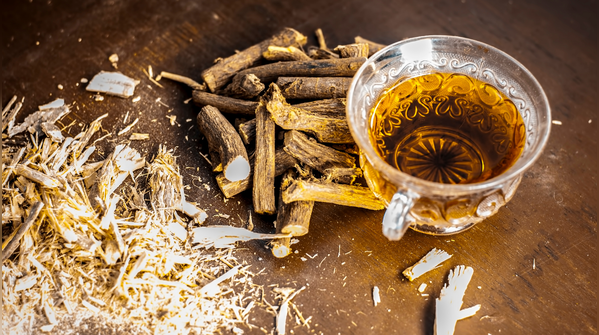
Mulethi has long been used in Ayurveda for chronic coughs, sore throats, and lung weakness. It coats and soothes irritated mucosal linings, offering relief from the dryness and scratchiness caused by polluted air. It also has mild expectorant properties, helping clear congestion gently. Those with high blood pressure should keep intake occasional and moderate.
To make it, take a small piece of dried mulethi root, simmer for 8–10 minutes, and strain well.
Mullein tea
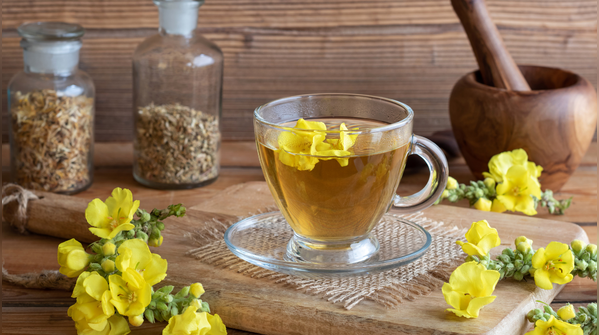
Less commonly known in Indian kitchens but widely respected in herbal medicine, mullein is a classic lung-support herb. It helps the lungs expel particulate matter by loosening deep-seated mucus. Mullein is especially useful for people who feel heaviness in the chest after exposure to smoke or dust. Always strain carefully, as the leaves can be fuzzy.
To make it, take dried mullein leaves, steep in hot water for 10 minutes, and strain through a fine cloth.
Peppermint tea
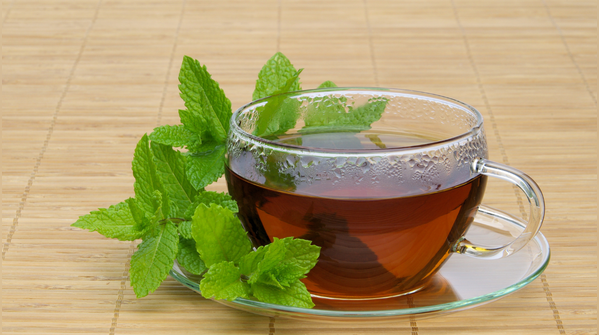
Peppermint doesn’t just feel refreshing - its menthol content naturally relaxes airway muscles and improves airflow. In high AQI conditions, peppermint tea can ease the sensation of breathlessness and reduce throat irritation. It also helps clear sinuses, which often take the first hit from polluted air.
To make it, take fresh or dried peppermint leaves and steep in hot water for 5–7 minutes.
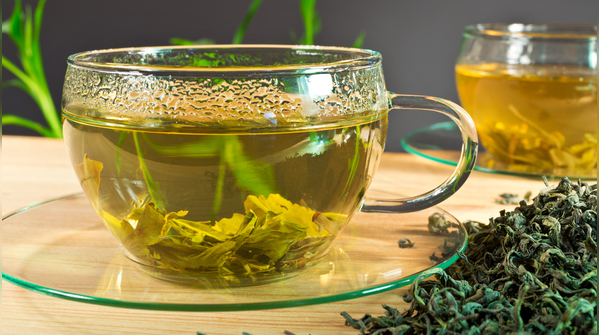
Green tea
Green tea supports lung health indirectly but powerfully. Rich in catechins and antioxidants, it helps counter oxidative damage caused by air pollutants. Some research suggests regular green tea intake is linked to better lung function over time. It doesn’t soothe immediately like ginger or mulethi, but it strengthens the system quietly.
To make it, take green tea leaves and steep briefly (not boiling water) to preserve antioxidants.
Featured In Food

MORE FROM ETIMES
life & style