
5 high-fiber flours that may help prevent blood sugar spikes and easy dishes

Importance of high-fiber flours and how to use them
Flour or atta is a common kitchen ingredient used in every homes, as a rich source of carbohydrates. But, if you are diabetic, there are many restrictions that you have to follow when it comes to using the right flour. The wheat atta that we generally use is often mixed with refined flour, which is not good for diabetics. As a result, the fiber, vitamins, and minerals become concentrated and become highly toxic for diabetic people. And for diabetics, managing blood sugar levels is an everyday task. According to experts, one simple dietary change that can help is choosing flours that are rich in fiber. It is said that high-fiber flours are digested more slowly than refined flour, which can help reduce sudden spikes in blood sugar after meals. Here are five flours that you can add to your pantry.
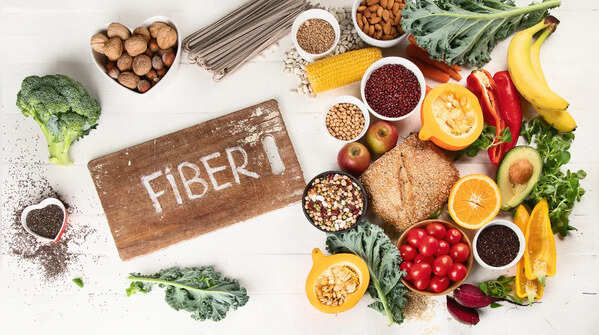
Importance of fiber
According to experts, fiber helps in regulating blood sugar because it slows the digestion and absorption of carbohydrates. As a result, glucose enters the bloodstream more gradually, helping prevent sharp spikes and crashes. Also, fiber-rich foods promote fullness, aid weight management and ultimately help manage healthy blood sugar levels.
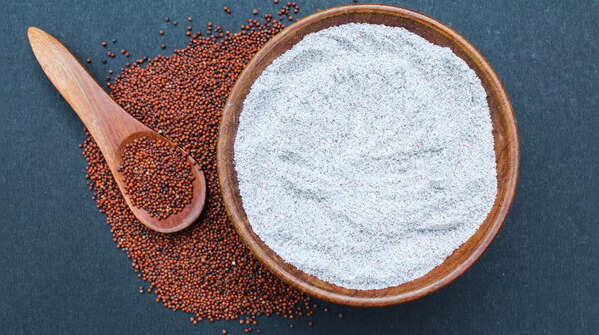
Ragi Flour
It is also known as finger millet and is rich in dietary fiber, calcium, and essential amino acids. According to experts, the high fiber content helps slow down digestion and the absorption of glucose into the bloodstream. It can be used to make rotis, dosas, porridge and even cakes and cookies.
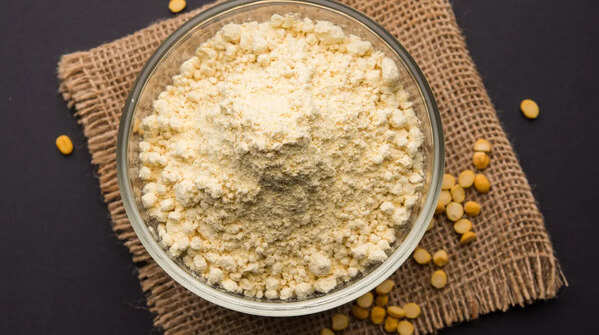
Besan
Also known as gram flour, this one is made from ground chickpeas, and is rich in protein and fiber. It has a lower glycemic impact and may help support more stable blood sugar levels. It is widely used for making chillas, dhokla, khandvi, and other snacks.
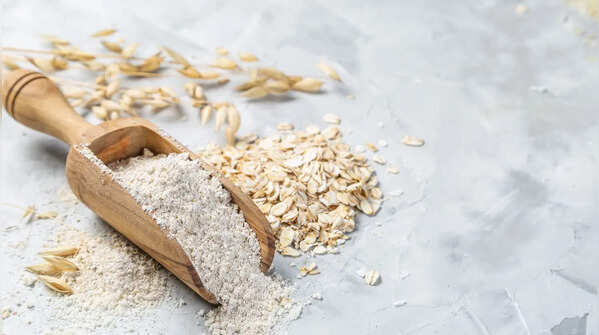
Oat Flour
It is made by grinding whole oats into a fine powder and contains beta-glucan, a type of soluble fiber known for its potential to slow digestion and support healthy blood sugar control. It is best used for making porridge, cakes, cookies, and even homemade bread.
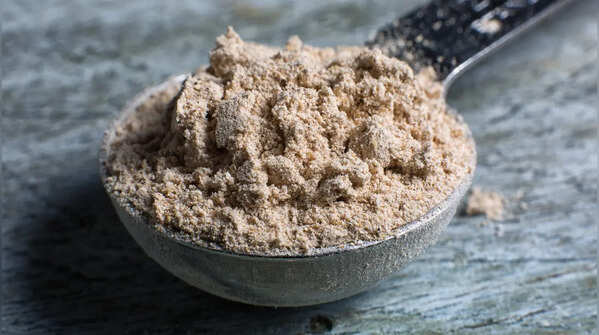
Barley Flour
It is another excellent source of soluble fiber, particularly beta-glucan and it forms a gel-like substance in the digestive tract, which may help slow the absorption of carbohydrates and promote gradual rises in blood sugar levels. It can be mixed with regular wheat flour to make rotis, breads, and baked goods.
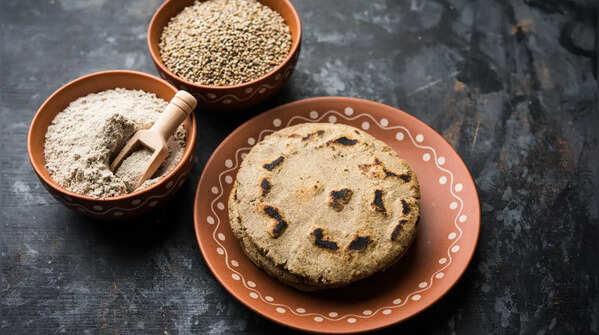
Jowar Flour
Also known as sorghum, it is a gluten-free grain that provides a good amount of fiber, antioxidants and other essential nutrients. Its fiber content may help improve satiety and support steady blood sugar levels. It can be used to make roti and bread too.
Featured In Food

MORE FROM ETIMES
life & style