
- News
- Health News
- An 11-year-old’s arm moves for the first time after innovative nerve surgery
An 11-year-old’s arm moves for the first time after innovative nerve surgery
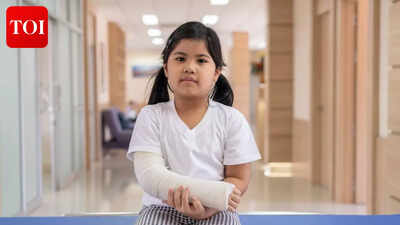
An eleven-year-old girl, Ancha, from Mozambique, received life-changing surgery for a birth condition affecting her left arm. Doctors at Amrita Hospital performed a specialized procedure, enabling her to bend her elbow and raise her arm for the first time. This remarkable recovery, achieved in just days, brought immense joy to her family.
A childhood adjusted around one arm
The surgery few children receive at this age
The First Movement
End of Article
Follow Us On Social Media

Hot Picks
Top Trending
Tired of too many ads?go ad free now
Trending Stories
In Section
Entire Website
- India GDP Q3 Growth Data 2026 Live Updates: First GDP data under new series to be released today
- 'Priyanka wasn't talking to me': Rahul Gandhi on how Wayanad helped end sibling tiff - watch
- Rinku Singh’s father passes away after cancer battle, cricket world stands with grieving batter
- Pakistan-Afghanistan tensions live updates: Loud explosions rock Kabul after Pakistan launches major attack on Afghanistan
- India vs Australia Live Score, 2nd Women ODI: India opt to bat against Australia
- Strike-rate problem? Not anymore. India smash Zimbabwe, shatter records to keep semi-final hopes alive
- 'Don't you think evidence is required': Delhi high court refuses to entertain Ghaziabad man's plea over wife’s death in Nepal protests; sought Rs 75 crore from Hyatt Regency Kathmandu, Rs 25 crore from Centre
- 'Our video analyst prepared a slide': Suryakumar Yadav reveals secret behind India's win vs Zimbabwe
- Pakistan launches Operation Ghazab Lil Haq after 55 killed in Afghan strikes: What we know so far
- Chosen by Jayalalithaa, chucked by Palaniswami, 3-time Tamil Nadu CM O Panneerselvam to join DMK today
- India GDP Q3 Growth Data 2026 Live Updates: First GDP data under new series to be released today
- 'Priyanka wasn't talking to me': Rahul Gandhi on how Wayanad helped end sibling tiff - watch
- Rinku Singh’s father passes away after cancer battle, cricket world stands with grieving batter
- Pakistan-Afghanistan tensions live updates: Loud explosions rock Kabul after Pakistan launches major attack on Afghanistan
- India vs Australia Live Score, 2nd Women ODI: India opt to bat against Australia
- Strike-rate problem? Not anymore. India smash Zimbabwe, shatter records to keep semi-final hopes alive
- 'Don't you think evidence is required': Delhi high court refuses to entertain Ghaziabad man's plea over wife’s death in Nepal protests; sought Rs 75 crore from Hyatt Regency Kathmandu, Rs 25 crore from Centre
- 'Our video analyst prepared a slide': Suryakumar Yadav reveals secret behind India's win vs Zimbabwe
- Pakistan launches Operation Ghazab Lil Haq after 55 killed in Afghan strikes: What we know so far
- Chosen by Jayalalithaa, chucked by Palaniswami, 3-time Tamil Nadu CM O Panneerselvam to join DMK today
Tired of too many ads?go ad free now



Explore Every Corner
Across The Globe
Rinku Singh FatherGDP DataPM ModiMeerut MurderBengaluru Kannada film director assaultTop Stock RecommendationsMadhya Pradesh Student Sexual AssaultAnthony EdwardsJNU ProtestT20 World Cup Points TableBengaluru Woman MurderIndia GDPGrowth DataNBA Contract UpdateEngland vs New Zealand ScorecardSuryakumar YadavSachin TendulkarArshdeep SinghIndian Cricket TeamPakistan Qualification ScenarioCBSE Class 10 Science PaperStock Market todayIND W vs AUS W Live ScoreUttarakhand Gang RapePakistan F16Charlotte Hornets vs Indiana PacersCharlie McAvoyOwen TippettVancouver CanucksT20 World CupT20 World Cup 2026 Schedule
Hot on the Web
Thaai KizhaviDaisy ShahKeanu Reeves QuoteRashmika MandannaAjith Kumar HouseChiranjeeviRashmika Mandanna Sangeet CeremonyJana NayaganVijay Deverakonda Wedding AlbumAnkita LokhandeBhagyashreeSindhutai SapkalSai Pallavi HouseSunil Bharti MittalKamal BungalowHema MaliniHair Growth OilsNamo Bharat Rrts Corridor'O'Romeo' Box Office CollectionMumbai AirportRashmika- Vijay Wedding PicturesLunar Eclipse City Wise TimingsFlorida ParkDrishyam 3Kuno National ParkHoroscope TodayThe 50The Bluff Movie ReviewBorder 2 Movie ReviewTu Yaa Main Movie ReviewToday Gold Rate in ChennaiDelhi Weather TodayDelhi AQI TodayMumbai AQI TodayMaharashtra Public Holidays 2026Anthropic Ceo Dario AmodeiAshneer Grover MG M9 ElectricSuryakumar Yadav Luxury ApartmentGarden Horizons CodesSamsung Galaxy s26 UltraMicrosoft Japan Raid
Trending Topics
Dinesh KarthikENG vs NZ Playing XIAiden MarkramHow to Watch England vs New Zealand MatchDAVV ResultIIT JAM Answer KeyTilak VarmaCCSU Admit CardThe Kerala Story 2Jeremy RennerH1b VisaCalifornia AI startupIndians in US universitiesMamdani–Trump meetingAmerica’s Greatest InnovatorsUAE SWAT ChallengeTexas malani jewelersSamajwadi PartyNational Science DayDelhi policeO PanneerselvamGujarat ATSLucknow murderMaharashtra SIRHaldwani rapeHowrah gang warIndore gas leakGurdaspur encounterOdisha farmerSharad PawarNamma Metro fare hikeIndore-Pune Air India ExpressAshish SoodChandigarh suicideNamo Bharat RRTS stationsDwarka ExpresswayTelangana schoolDelhi-Mumbai ExpresswayShaurya GoyalHow to watch ICC T20 World Cup 2026 in USAHow to watch ICC T20 World Cup 2026 in CanadaHow to watch T20 World Cup online in India
Popular Categories
HeadlinesSports NewsBusiness NewsIndia NewsWorld NewsBollywood NewsHealth+ TipsIndian TV ShowsTechnologyTravelEtimesHealth & FitnessHow to watch T20 World Cup OnlineIndia vs Pakistan MatchAstrologyAutoWeather TodayGold Rate Today DelhiSilver Rate TodayPlatinum Rate TodayIs Bank open todayBank Holidays in February 2026Public Holidays in February 2026DeorhiTechnology NewsInternational SportsPublic HolidaysBank HolidaysT20 World Cup Squad IndiaT20 Wprld Cup Squad
Latest News
Lunar Eclipse 2026: Chandra Grahan on Holi; when to perform holika dahan on March 2 or 3?Orissa high court sets April deadline for final design of Rs 496 crore Cuttack drainage project'I am kattar imaandaar': Arvind Kejriwal breaks down after clean chit in Delhi excise policy caseLoyalty vs power: The larger political lesson as Jayalalithaa confidant OPS joins DMK ahead of Tamil Nadu pollsRead CEO Dario Amodei's 800-word note that almost means Anthropic is set to become first American company to be banned by PentagonRs 25,000 bounty criminal who escaped from UP jail shot in leg during encounterPetals to Gulal : Celebrate with colours this Holi‘The 50’: Ridhima Pandit takes a dig at Krishna Shroff after she calls her ‘kachra’; says, “Aaj kal kisi ki behen ya beti hona jinki identity hai”KSEAB Karnataka PUC 2 exams 2026 begin tomorrow; Board warns against fake question papersNASA warns! The Hubble Space Telescope could crash to Earth in a dangerous fall by the 2030s'Thadayam' Twitter review: Samuthirakani shines as a cop, Early killer reveal disappoints fansBanasthali result 2026 released for UG and PG courses: Direct link to download scorecards here‘Why didn’t anyone protect me more’: Lindsay Lohan looks back on intense media scrutiny in her younger yearsBrad Pitt and Angelina Jolie's son Maddox uses 'Jolie' and drops 'Pitt' in credits of his mother's film 'Couture'‘Dacoit’: Adivi Sesh seeks Bhadrakali blessings ahead of song release; calls Mruanl Thakur starrer a ‘personal journey’When Mohanlal REVEALED his favourite BOLLYWOOD actor; 'Drishyam 3' star chose THIS iconSeveral Chandigarh schools receive bomb threat emails; security tightened‘Barely alive’: Singer-songwriter JD Graham fighting for his life after severe accident
Copyright © 2026 Bennett, Coleman & Co. Ltd. All rights reserved. For reprint rights: Times Syndication Service