
The body check: Why your gums bleed while brushing: What your mouth may be trying to tell you

Why gums bleed while brushing
Most people notice it only for a second. A pink streak in the foam while brushing. A tiny spot of blood while rinsing. It happens once, then again a few days later, and slowly becomes something that feels normal.
But healthy gums are not supposed to bleed.
In many cases, bleeding gums are one of the body's earliest warning signs. The mouth is often called the mirror of overall health because changes inside it can reveal nutritional deficiencies, inflammation, infections, and even chronic illnesses before other symptoms appear.
When plaque turns into inflammation
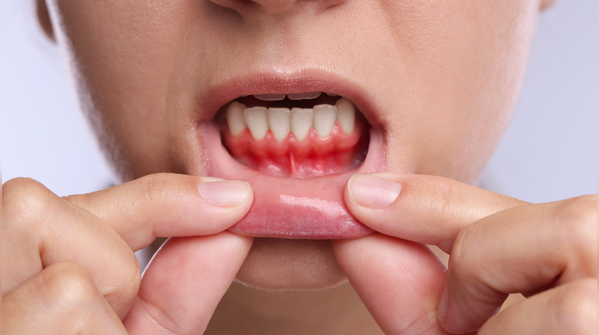
The most common reason behind bleeding gums is gingivitis, an early stage of gum disease.
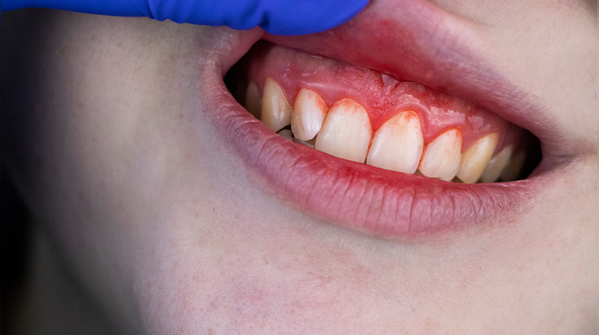
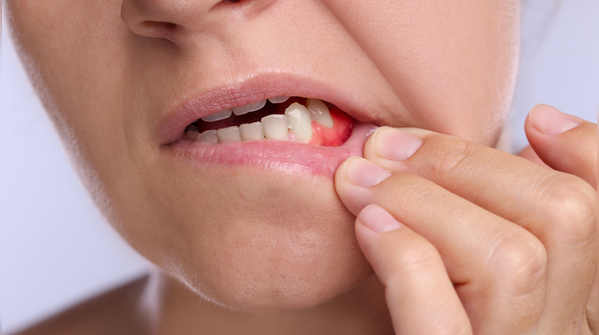
Throughout the day, bacteria naturally collect on teeth and form a sticky layer known as plaque. If this plaque is not removed properly through brushing and flossing, it begins to irritate the gums. The gums become swollen, red, tender, and start bleeding during brushing or flossing.
According to the US Centers for Disease Control and Prevention (CDC), gingivitis is largely preventable and reversible when treated early through proper oral hygiene and professional dental cleaning. If ignored, it can progress into periodontitis, a more serious condition that may damage the tissues and bone supporting the teeth.
What makes gingivitis tricky is that it is usually painless in the beginning. There may be no obvious discomfort, only occasional bleeding that many people overlook.

Your diet may be affecting your gums more than you realise
While most people associate bleeding gums with brushing habits, nutrition also plays a surprisingly important role.
Ms Aditi Prasad Apte, Senior Clinical Nutritionist at Aster RV Hospital, Bangalore, explains, "Bleeding gums while brushing are often seen as a dental issue, but really nutrition can matter a lot for gum health too. This happens when you miss certain vitamins and minerals, the gum tissues can turn weaker, the area can become more inflamed, and then it's easier for the gums to bleed."
One nutrient that receives particular attention is vitamin C.
"One of the big nutrients in here is vitamin C, it tends to support collagen production and tissue repair, like the body's natural patching system. If vitamin C levels are low then gums might swell or start to feel sore."
Vitamin C helps the body build collagen, a protein that keeps gum tissue strong and resilient. Research reviewed by Harvard Medical School found a connection between lower vitamin C levels and increased gum bleeding.
Foods rich in vitamin C include oranges, guava, amla, strawberries, broccoli and bell peppers.
Ms Apte also points to iron deficiency as another overlooked factor.
"An iron deficiency can cause pale gums that feel a bit more sensitive, and healing may take longer than normal too. So, adding iron-rich foods like green leafy vegetables, dates, legumes, jaggery, and lean proteins might help with oral wellbeing."
The brushing mistake many people make every day
Ironically, sometimes the brush itself becomes part of the problem.
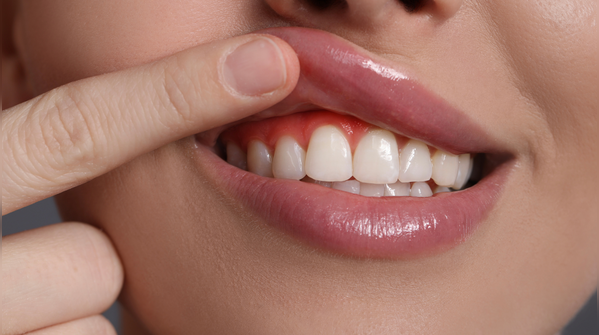
Many people believe that brushing harder means cleaning better. Dentists say the opposite is often true. Aggressive brushing or using a hard-bristled toothbrush can irritate delicate gum tissue and cause bleeding.
Think of gums as skin rather than a stain on a surface. They respond better to gentle, consistent care than forceful scrubbing.
A soft-bristled toothbrush, gentle circular motions and brushing for two minutes twice a day are usually enough to keep the gums healthy.
If bleeding starts immediately after switching to flossing, it does not always mean something is wrong. Inflamed gums often bleed initially because bacteria have accumulated between the teeth. With regular flossing, this bleeding usually improves within a week or two.
The connection between bleeding gums and bigger health problems
Sometimes bleeding gums are not just about the mouth.
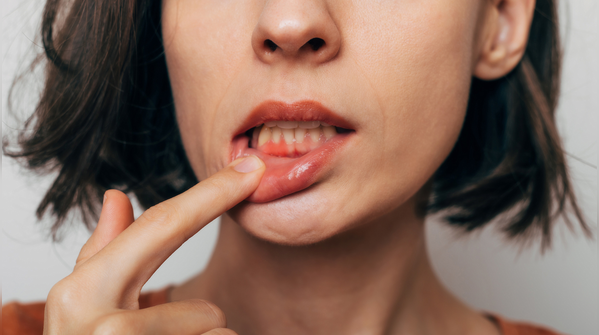
Medical experts note that persistent gum bleeding can occasionally be linked to conditions such as diabetes, hormonal changes, certain vitamin deficiencies, blood-clotting disorders or side effects of medications.
Ms Apte says people should pay attention if the problem continues, "Bleeding gums should not be ignored, especially if it keeps happening for more than a few days. Sometimes it can link up with uncontrolled diabetes, nutritional gaps, or long-term inflammation."
This is why dentists often ask questions that seem unrelated to teeth. The condition of the gums can sometimes reveal what is happening elsewhere in the body.
Small daily habits that keep gums healthy
Healthy gums rarely depend on one miracle product. They usually reflect everyday habits.
Ms Apte explains, "When sugar intake is too high, and you keep snacking between meals, it can encourage bacteria to build up in the mouth, and that can slowly lead to plaque buildup and gum inflammation."
She adds that hydration also matters.
"Drinking enough water along with fiber-heavy fruits and vegetables can help in a gentle way to clean teeth and keep saliva flowing. Saliva is what guards gums in a natural style."
A few habits that genuinely help include:
Brushing twice daily with a soft-bristled toothbrush.
Flossing or cleaning between teeth every day.
Eating foods rich in vitamin C and iron.
Limiting frequent sugary snacks and sweet drinks.
Drinking enough water throughout the day.
Avoiding tobacco in all forms.
Scheduling regular dental check-ups, even when there is no pain.
The goal is not just cleaner teeth. It is reducing inflammation before it becomes a larger problem.
What should people know?
A little blood while brushing should never be considered normal. In many cases, it is the gums asking for attention long before serious damage begins.
Sometimes the cause is simple, such as plaque buildup or brushing too hard. Sometimes it points toward nutritional deficiencies or an underlying health condition that deserves medical attention.
The important thing is not to ignore it.
Because when gums start bleeding, the mouth is often sending a message long before the rest of the body starts speaking.
Disclaimer: This article is intended for awareness and educational purposes only. It should not be considered a substitute for professional medical or dental advice, diagnosis, or treatment. Anyone experiencing persistent gum bleeding, swelling, pain, loose teeth, or other concerning symptoms should consult a qualified dentist or healthcare professional for proper evaluation.
Featured In etimes

