
The body check: What your fingernails may reveal about health

What your nails say about health
There is a reason doctors still begin examinations with a simple look at the hands.
Long before blood tests, scans, and health trackers became common, physicians often relied on visible signs from the body to understand what might be happening beneath the surface. The eyes, skin, tongue, and even fingernails have always been part of that story. Fingernails, in particular, are often overlooked. Most people notice them only when they chip, break, or need trimming. Yet these small plates of keratin can quietly reflect changes taking place inside the body.
A shift in nail colour, texture, or shape does not automatically mean something is wrong. In many cases, it may simply be linked to ageing, dehydration, frequent use of detergents, or minor injuries. However, some nail changes can serve as subtle clues that deserve attention.
As Dr Souradeep Chowdhury, Associate Consultant, Internal Medicine, Medanta Noida, explains, “Fingernails may act as subtle clues to a person’s overall health. While most nail changes are harmless and may occur due to aging, lifestyle factors, or nutritional deficiencies, some changes can occasionally reflect underlying medical conditions.”
When nails lose their natural colour
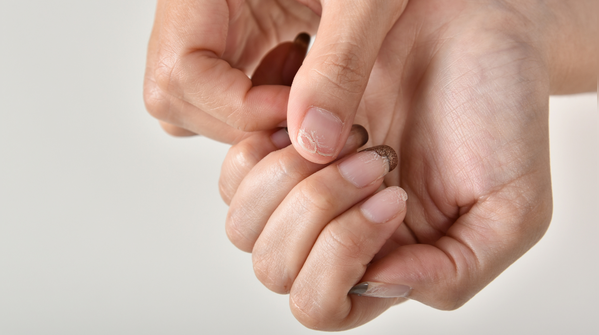
Healthy nails are usually pale pink because of the blood vessels beneath them. When that colour changes noticeably, doctors often pay attention.
Pale or unusually white nails can sometimes be associated with iron-deficiency anaemia, nutritional deficiencies, liver disorders, or chronic illnesses. Anaemia reduces the number of healthy red blood cells available to carry oxygen around the body, and the nails may appear lighter as a result.
Dr Chowdhury notes, “Pale or whitish nails may be associated with anemia, liver disease, or malnutrition, while yellow nails can sometimes be linked to fungal infections, diabetes, or respiratory illnesses.”
Yellow nails are often dismissed as a cosmetic concern. Sometimes, they simply result from dark nail polish or smoking. But persistent yellowing, especially when accompanied by thickening of the nails, may indicate fungal infections or, in rare cases, chronic respiratory conditions.
A bluish tint is another change doctors do not ignore. It can occasionally suggest reduced oxygen levels in the blood, particularly when accompanied by breathlessness or fatigue.
The body rarely changes colour without a reason. Nails are no exception.
The shape of the nail can tell a story
The shape of a fingernail can reveal more than most people realise.
One of the most recognised nail changes in medicine is clubbing. This occurs when the fingertips enlarge and the nails curve downward around them. It usually develops gradually and may go unnoticed for years.
“Clubbing — where the fingertips enlarge and the nails curve downward — can be associated with heart, lung, or gastrointestinal disorders,” says Dr Chowdhury.
Medical experts have long linked clubbing to conditions affecting oxygen supply in the body.
Another nail shape doctors watch for is the spoon nail, medically known as koilonychia. Instead of curving slightly downward, the nail develops a shallow depression that can almost hold a drop of water.
Dr Chowdhury explains that brittle or spoon-shaped nails may suggest iron deficiency. While iron deficiency is common, especially among women, repeated nail changes should not be ignored when accompanied by tiredness, dizziness, or shortness of breath.
Sometimes the body whispers before it begins to shout.
The lines, ridges, and marks that appear suddenly
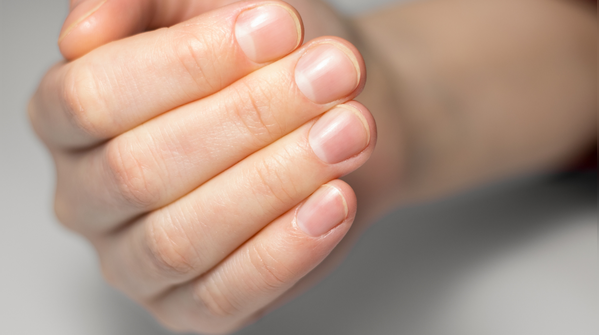
A perfectly smooth nail is actually quite rare. Many people develop mild ridges as they age.
What matters is when changes appear suddenly or become pronounced.
“Horizontal grooves or ridges in the nails, known as Beau’s lines, may appear after illnesses associated with high fever or significant physical stress,” Dr Chowdhury says.
Think of the nail as a timeline. Because fingernails grow slowly, major illnesses can temporarily interrupt nail growth. Months later, a horizontal groove may appear, marking the period when the body was under stress.
Small dark streaks beneath the nail can also attract medical attention. While they may result from minor trauma, persistent dark lines should always be evaluated because, in rare situations, they can indicate serious underlying conditions.
The key is not panic. The key is observation.
Nutrition often leaves its signature on the nails
The modern lifestyle has created an interesting contradiction. Food is everywhere, yet nutritional deficiencies remain surprisingly common.
The nails are among the first places where the body reveals that it may not be getting what it needs.
Protein plays a central role in nail growth. Iron helps deliver oxygen to tissues. Vitamins such as B12, biotin, and folate contribute to healthy nail development. When these nutrients are lacking for prolonged periods, the nails may become brittle, thin, slow-growing, or prone to splitting.
“Nail changes alone are usually not enough to diagnose a disease,” Dr Chowdhury points out. “Factors such as overall health, medical history, hydration, nutritional status, chemical exposure, and daily habits should also be considered.”
This is an important distinction. A brittle nail does not automatically indicate a deficiency. Frequent exposure to cleaning products, repeated handwashing, nail cosmetics, and environmental factors can all affect nail health.
Yet when multiple symptoms appear together, the nails may become one piece of a much larger health puzzle.
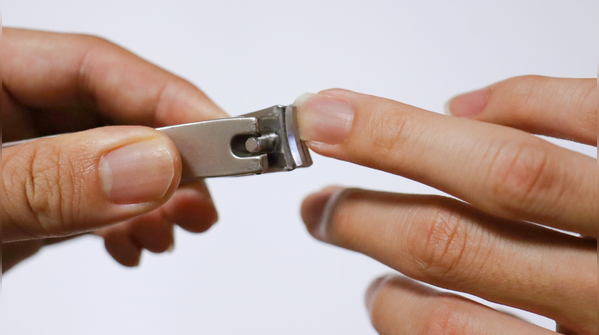
Why doctors still look at nails during a check-up
The value of examining nails has not disappeared in modern medicine.
A yellow nail does not necessarily mean diabetes. A pale nail does not automatically mean anaemia. A ridge does not always signal disease.
The internet often turns isolated symptoms into frightening conclusions. Real diagnosis requires context, examination, medical history, and sometimes laboratory tests.
Dr Chowdhury advises, “Maintaining a balanced diet with adequate protein, iron, vitamins, and minerals, along with proper hydration and nail care, can help support healthy nails. If someone notices persistent discoloration, thickening, pain, swelling, or other unusual nail changes, it is advisable to consult a doctor rather than relying solely on information found online.”
Perhaps that is the most useful lesson of all.
The body is constantly communicating. Most of the time, the messages are subtle. A fingernail may not tell the whole story, but it can sometimes offer the first clue that something deserves a closer look.

Disclaimer
This article is intended for informational and educational purposes only. Nail changes can occur for many reasons, including ageing, lifestyle habits, minor injuries, and nutritional factors. The information provided here should not be considered a substitute for professional medical advice, diagnosis, or treatment. Anyone experiencing persistent nail abnormalities, pain, swelling, discolouration, or other concerning symptoms should consult a qualified healthcare professional for proper evaluation.
Featured In etimes

