
Otters are closely related to wolverines: 7 facts that will surprise you
Otters are closely related to wolverines: 7 facts that will surprise you
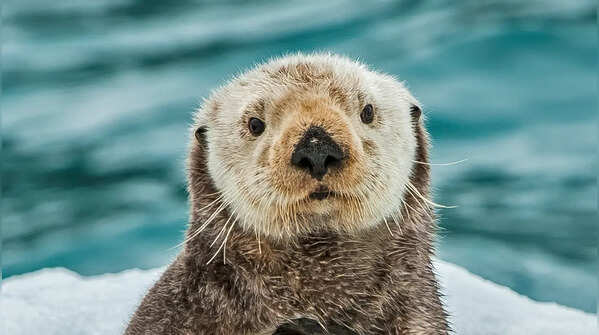
You’ve probably seen one of those videos of Lola, the Asian small-clawed otter that has been blowing up on the internet lately. Or perhaps you’ve caught a glimpse of these carefree creatures enjoying their snacks, carefully placed on their bellies as they swim. Either way, you’ve found otters absolutely cute. Yes, these playful creatures, sliding through rivers and holding hands in the ocean, are adorable. But they are much more than their charming public image. Here are 9 interesting facts about otters you probably didn’t know.

They are related to weasels
Not just wolverines, these adorable creatures are also closely related to weasels. In fact, wolverines, badgers, and weasels all belong to the same taxonomic family, Mustelidae. This makes them closer relatives of the grizzly-tempered wolverine than of seals or dolphins. Though weasels and otters live in drastically different environments, they share a muscular build, sharp claws, and keen intelligence.
They eat fish
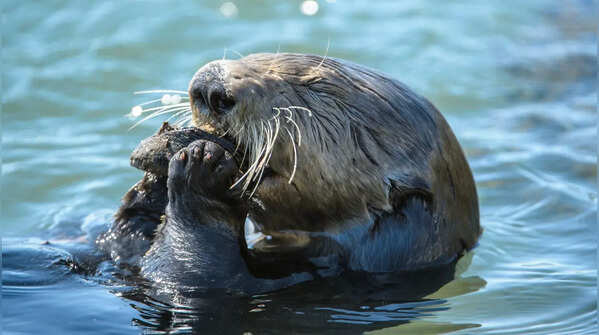
Otters are carnivorous hunters, but their diets vary depending on the species and habitat. For example, sea otters eat fish, urchins, clams, mussels, crabs, and snails. Some even use rocks as tools to crack open hard shells. They have a high metabolism and consume up to 25% of their body weight daily. River otters tend to hunt fish such as trout, catfish, and bass.
They hold hands while sleeping
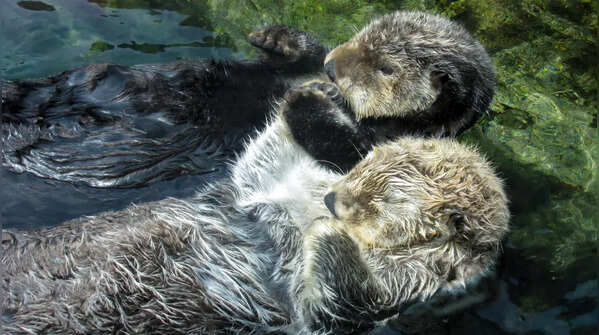
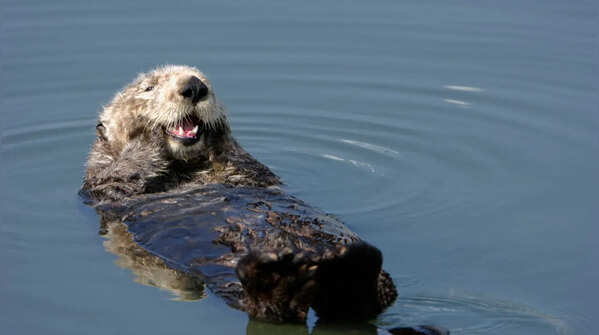
That’s right—they do hold hands, not as a romantic gesture but to survive. In order to avoid drifting apart while resting in water, sea otters often hold hands. This behaviour is called rafting. Mothers keep their young on their chests and use floating kelp as a natural anchor. Now, how cute is that?
They have denser fur than any other mammal
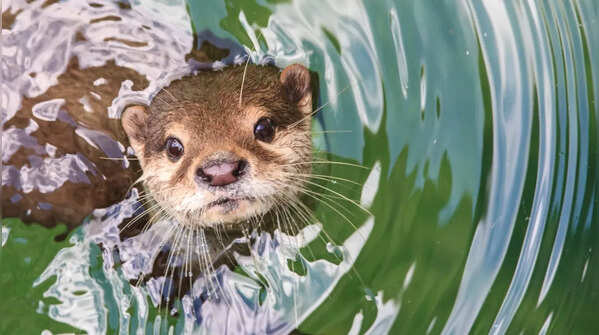
You should probably take some hair-care lessons from otters. They have the densest fur of any mammal. In fact, they have about 150,000 hairs per square inch, compared with just 100 hairs per square inch on human heads. This dense fur acts as superior insulation and helps them maintain their body temperature in frigid waters without the blubber layer that seals rely on.

Some use tools to hunt
Otters are exceptionally intelligent animals. Their problem-solving skills are remarkable. Some even use rocks and other objects as tools to crack open shellfish. They know how to hunt and can use these tools with impressive precision.

Not all otters love to swim
Yes, you may have seen them enjoying a swim, but not all of them are enthusiastic swimmers. While sea otters and river otters are excellent swimmers, some species, such as the Congo clawless otter, prefer to spend more time on land.
Their communication is unique
Don’t be surprised if you see an otter whistle—the animal could be having a conversation with a companion. They use whistles, twittering, and spitting sounds to communicate. They also use scent, vocalisations, and body language to convey information about food, territory, or danger.
Featured In etimes

