
Chandra Grahan 2026 explained: Frequently asked questions about the March 3 eclipse
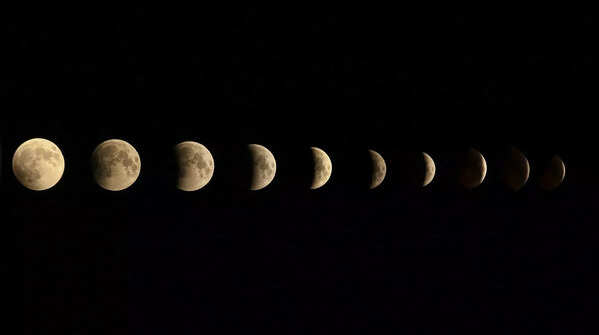
Frequently asked questions about the March 3 eclipse
On March 3, 2026, the first lunar eclipse of the year, also known as Chandra Grahan, will take place. While it will be brief in many parts of India, it is still a sky event worth watching. Here are some frequently asked questions about the eclipse.
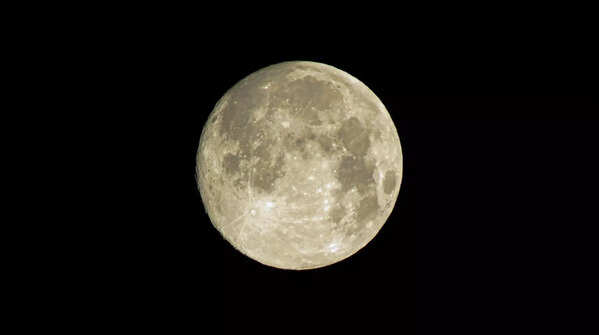
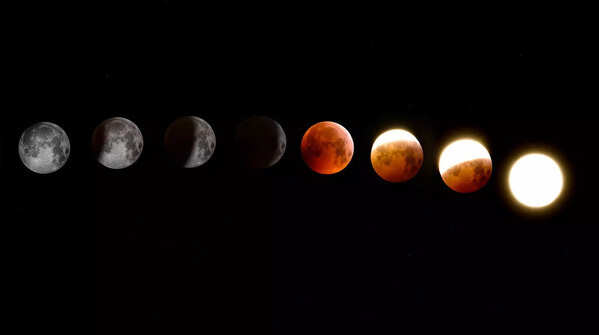
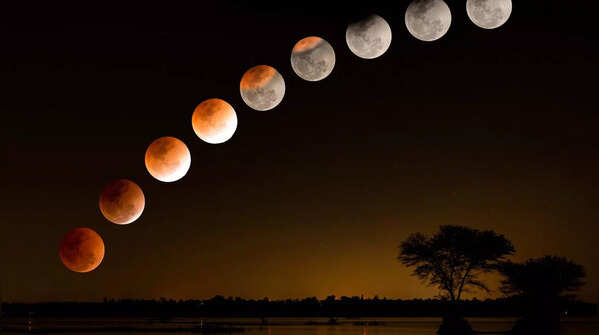
Images: Canva (for representative purposes only)
When is the total lunar eclipse?
The total lunar eclipse will occur on March 3, 2026.
What are the timings in India (IST)?
According to Time and Date, the penumbral phase will begin at 4:58 PM IST. Totality will start at 4:58 PM IST and end at 5:32 PM IST. The penumbral phase will conclude at 7:53 PM IST.
In many parts of India, the Moon will already be in eclipse as it rises. This means only the final portion will be visible, mainly around sunset, and the visible window may last roughly 20 minutes.
Will the full eclipse be visible in India?
Not everywhere. In most regions, only the last phase will be visible. However, several cities in the Northeast are expected to witness totality with 100 percent obscuration.
Cities such as Dibrugarh, Dispur and Guwahati in Assam, Itanagar in Arunachal Pradesh, and Shillong in Meghalaya are listed among locations where totality will be visible, according to publicly available data by Time and Date.
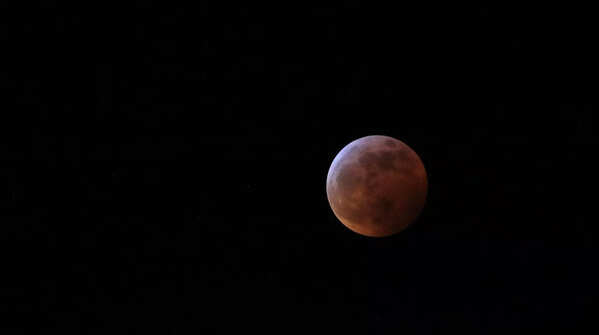
Why is it called a Blood Moon?
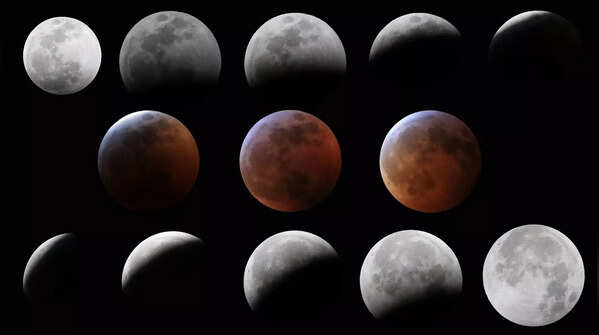
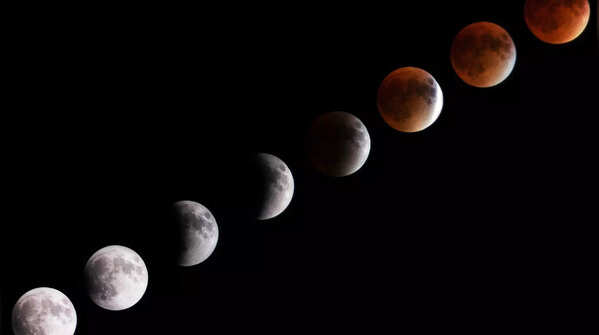
During a total lunar eclipse, the Earth moves between the Sun and the Moon, blocking direct sunlight. The light that reaches the Moon passes through Earth’s atmosphere, which bends and filters it. This can make the Moon appear reddish or deep orange, which is why it is often called a “blood moon.”
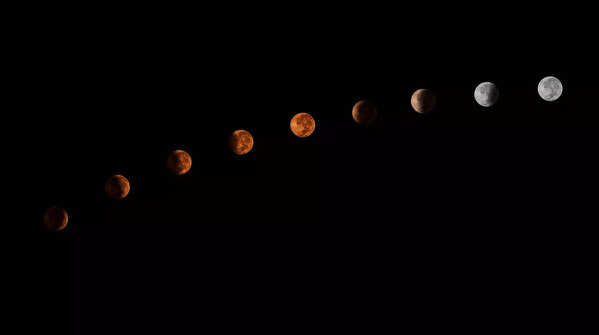
What exactly happens during a lunar eclipse?
A lunar eclipse occurs when the Earth comes between the Sun and the Moon and casts its shadow on the Moon. Because of this shadow, the Moon appears darker and sometimes slightly red.
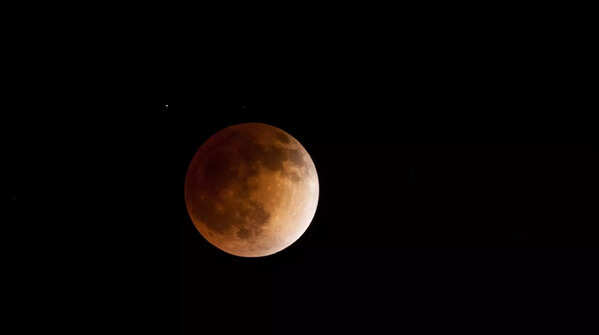
Is it safe to watch?
Yes. A lunar eclipse is completely safe to view with the naked eye. Unlike a solar eclipse, no protective glasses are required.
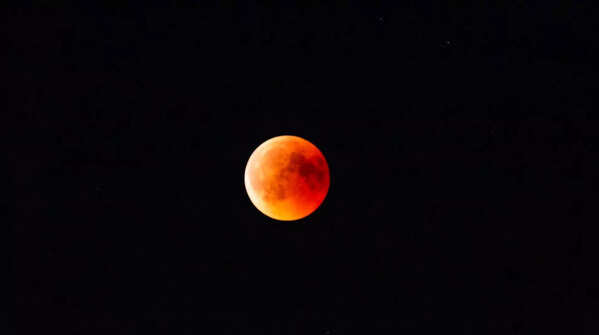
Do I need any special equipment?
No special equipment is needed. If the sky is clear, you can simply step outside and look at the Moon. Binoculars can enhance the view but are not necessary.
What if I cannot see it clearly from India?
The best viewing regions for the full blood moon include Australia, the Pacific region and western North America. If visibility is limited in your area, you can follow live streams or use astronomy apps to track the eclipse.
Why is this eclipse important?
While lunar eclipses happen a few times each year, not all are visible from India. Even though this one may be brief in many regions, it remains a good opportunity to pause and witness a natural celestial event.
Clear skies will make all the difference on March 3.
Featured In etimes

