
- News
- etimes
- animals-pets
- Toothless snakes: Meet the unusual serpents that thrive without fangs
Toothless snakes: Meet the unusual serpents that thrive without fangs
Toothless snakes: Meet the unusual serpents that thrive without fangs
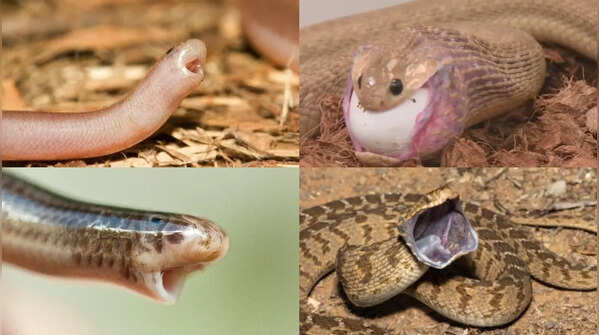
When people hear about snakes, the picture usually comes up of sharp teeth, venomous fangs, and strong bites. However, not all snakes have this frightening appearance. A unique group of species exists that either lacks teeth completely or has them so reduced in size that these snakes are virtually toothless. Such an amazing group of reptiles has managed to adapt to their habitats in ways that do not require strong biting mechanisms. Researchers say that the unique traits of toothless snakes offer valuable insight into how animals evolve depending on their diets and environments.
Not every snake needs teeth
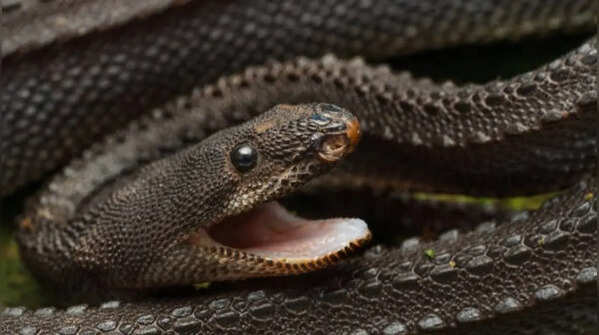
Though most snake species have several sets of strong teeth, some of them did not evolve to possess functional dentition at all. These snakes have feeding habits that do not presuppose the usage of teeth since they do not hunt prey that needs to be subdued. Therefore, they adapted to use their jaws and special swallowing abilities instead. Scientists call them excellent examples of evolutionary adaptations because survival does not depend on the most frightening bite in the animal world.
The Brahminy blind snake and its toothless nature
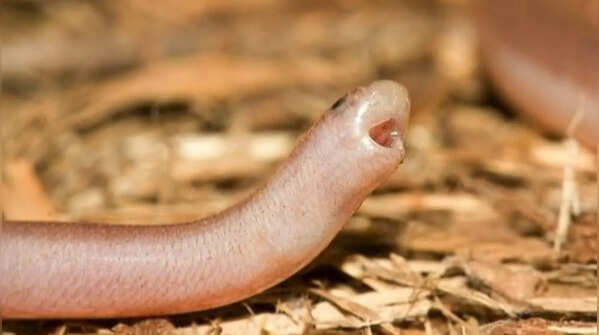
One of the most known representatives of such snakes is the Brahminy blind snake. Also, they are commonly called the flowerpot snakes. These tiny creatures have a diet that consists of insect larvae and ants. Since there is no need for powerful teeth to eat such prey, their dentition is highly reduced compared to the one found in most snakes. Living almost their whole life underground, these snakes rely on burrowing abilities and not biting ones.
Even more adapted: Egg-eating snakes
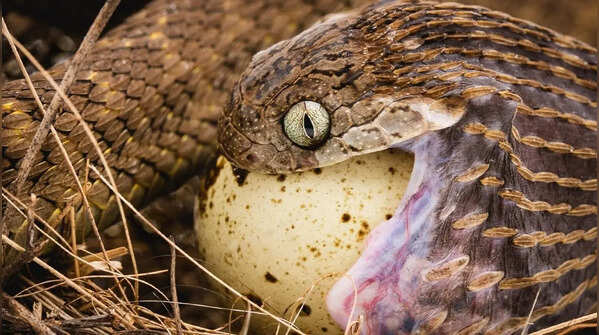
African egg-eating snakes of the genus Dasypeltis represent one of the most interesting representatives of snakes with reduced dentition. As it becomes evident from the name of the species, they only eat bird eggs. They swallow the eggs intact and break the shells using specialized bones on their back and then absorb all useful substances from it. Empty shells are spit out by the snakes after digestion.
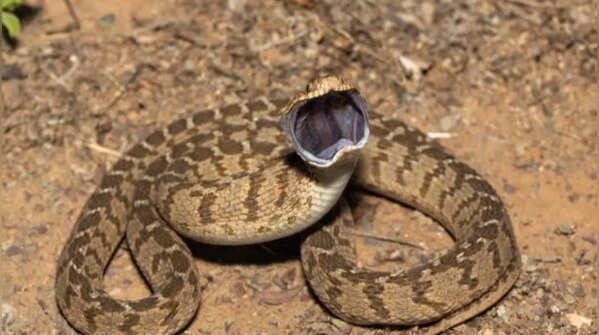
Diet forces natural selection and evolution
According to scientists, the diet was the reason why some snakes started developing reduced dentition. Those feeding on soft eggs, larvae, or other easily swallowable prey had no particular need for strong teeth. Instead, thousands of years of natural selection have made these animals adapt to new conditions with help of new traits that were better adapted to the type of food they fed on.
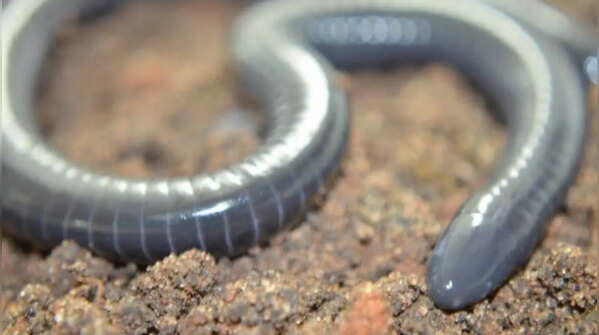
Life in tunnels has forced specialization
Another reason why some snakes have weak or almost non-existent dentition is living underground. Moving through soil, leaves, and dead grass, they have encountered prey that poses minimal threat to them. Hence, there was no need to evolve strong bites. On the contrary, burrowing snakes benefited from being small and agile, as it helped them move more freely in their surroundings.
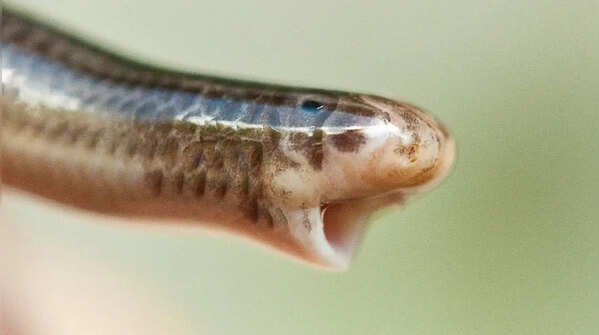
Safe neighbors in nature
Since such snakes have neither strong dentition nor venom, they cannot be considered a threat to people at all. Moreover, they can be considered valuable members of the ecosystem that control insect populations or contribute to decomposition of organic materials. According to wildlife specialists, it would be wise to avoid harming these harmless neighbors if possible.
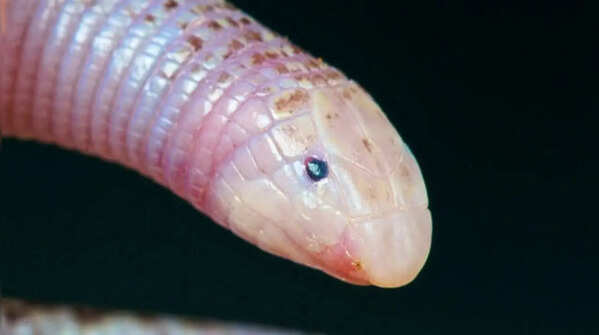
Evidence of diversification of life
The unique case of toothless snakes is another piece of proof of the amazing variety of life. Though the majority of people associate snakes with strong dentition and powerful bites, this example shows that successful life strategies can differ.
Featured In etimes

