
- News
- etimes
- animals-pets
- 7 animals you didn't know are amphibians
7 animals you didn't know are amphibians
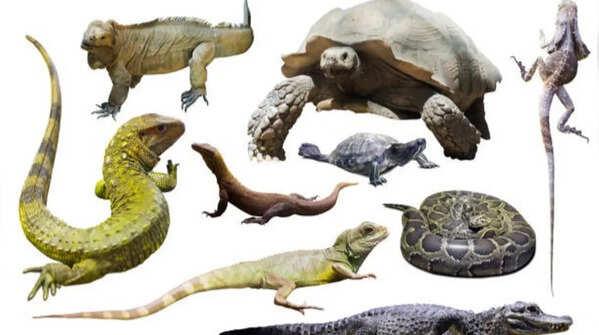
7 animals you didn't know are amphibians
Amphibians are animals that are born in water but can survive in both water and land when growing up. These amazing creatures need moist and have unique features and life cycles. As a result, they significantly differ from reptiles or mammals. There are many animals in nature that can live on land and in water equally effectively. The following are seven examples of amphibious creatures.
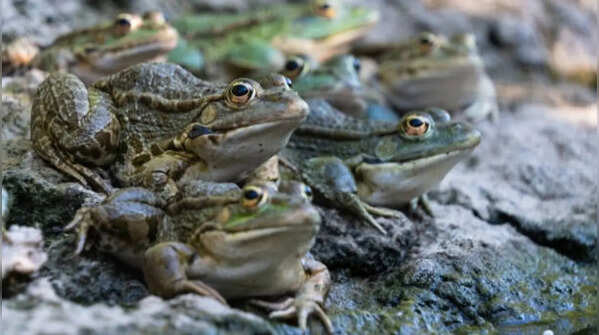
Frogs are one of the world's most famous amphibians
Frogs are considered one of the most well-known amphibians because they spend different stages of life on land and in water. Being tadpoles, frogs lead an underwater life, but as adults, they develop legs and lungs to be able to lead amphibious existence. Moist skin plays an important role in their lives because it allows absorbing oxygen and moisture from the environment; thus, the creature needs moisture all the time. Frogs inhabit all forests, wetlands, pools, and gardens, playing an important role in the fight with insects.
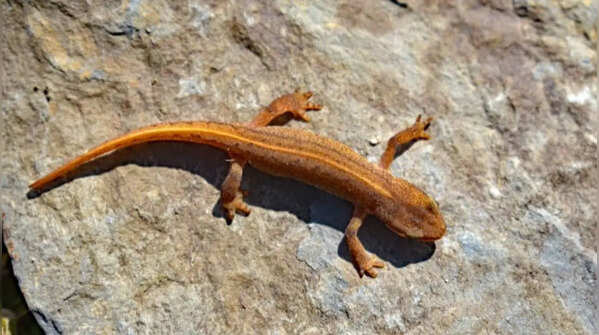
Salamander prefers humid conditions
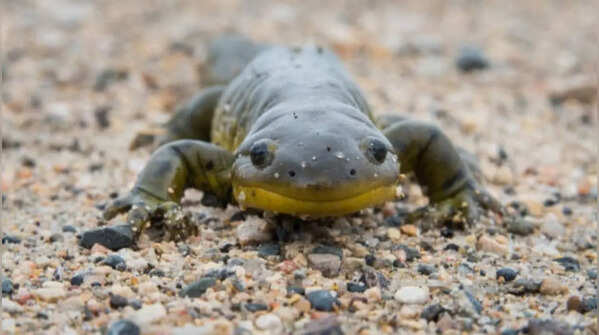
Salamander is a kind of amphibian with long tail, soft skin, and moist habitat preferences. Some types of this amphibian spend their first life stages underwater and then move to land. It happens due to the fact that the salamander's skin is sensitive to moisture loss. Therefore, these amazing amphibians choose places where the humidity level is rather high, such as forests, creeks, and shady regions. Scientists pay particular attention to studying certain species of salamanders because of their regeneration abilities that allow growing back missing body parts, including limbs and internal organs.
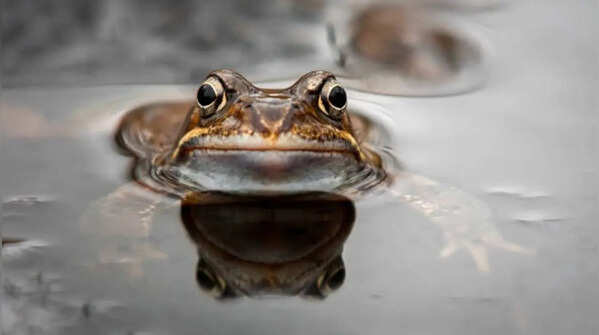
Toads prefer life both in water and on land
Toads look similar to frogs but prefer spending more time on dry ground than in water; they also have rough skin that needs to be kept moist. At the same time, toads need water bodies for reproduction and egg laying. During wet season, these amphibians appear around ponds and swamps. Specialists believe that toads contribute much to the ecosystem balance as they feed on pests, insects, and garden bugs.
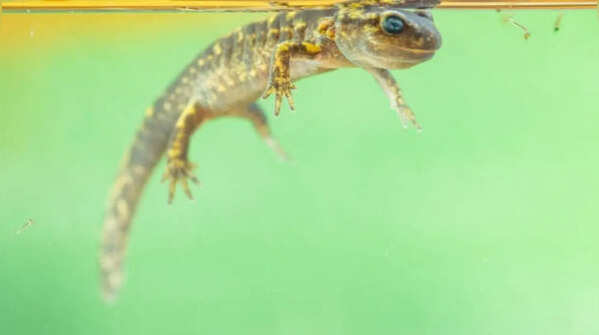
Newt changes habitats according to its developmental stage
As salamanders, newts have unique abilities to spend different life stages in different habitats. Many newt species have part of their life stages spent underwater and part on land. Later, these creatures again go back into the water for the rest of their life stages. The fact that scientists can regenerate body parts and have rather smooth skin makes newts quite attractive objects of scientific research. Usually, they inhabit pools, marshes, and slow-running water.
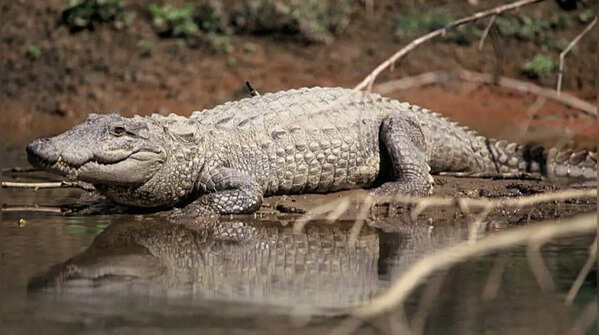
Crocodiles are not an amphibian but is semi-aquatic
Crocodiles often seem to be amphibious due to the fact that they spend considerable time in water. Nevertheless, crocodiles are not amphibians but reptiles that spend much time either in river waters or on dry land. Usually, they hunt underwater and warm themselves on land because of temperature fluctuations. These great hunters are quite effective and dangerous thanks to their excellent swimming skills and agility.
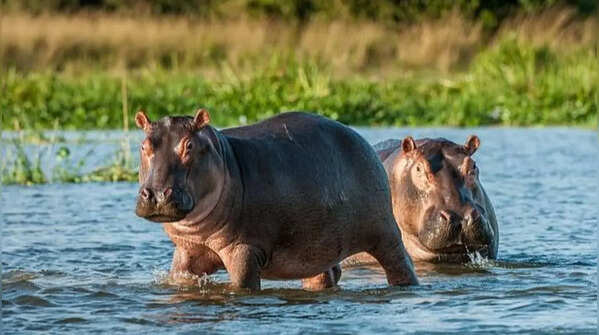
A hippopotamus spends its daytime in water
Even though hippos are mammals, they are semi-aquatic animals, too. This creature spends most of its daylight time in water because it is needed to regulate temperature under hot weather conditions in Africa. Then, during nighttime, hippos come on land to graze on grass for several hours per day. Semi-aquatic life of hippos allows them surviving in difficult climatic conditions.
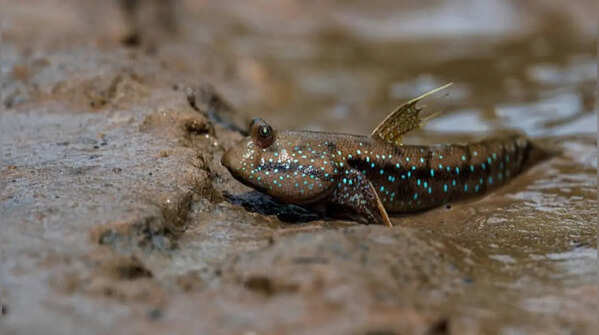
Mudskipper can spend time both on land and in water
Mudskippers belong to amphibious fish species that are used to spending much time on land, namely, in the form of mudflats, as well. This amphibious fish is mostly seen in mangrove areas and coastal wetlands. The thing that makes mudskippers unique is their ability to walk and jump on land with the help of their fins. This fish uses moist skin and breathing chambers for absorbing oxygen.
Disclaimer:
This article is written for general informational purposes only. Classifications and behavioral characteristics of wild animals might differ depending on particular cases and geographical locations. Readers are recommended to keep away from wild animals and consult with specialists concerning possible wildlife encounters
Featured In etimes

