
Trending
This story is from July 20, 2023
Mysterious film preserves Raigad Fort for years: ASI
ASI scientists have in their latest discovery revealed the long-hidden secret behind the preservation of Maharashtra's iconic Raigad Fort - a mysterious patina.
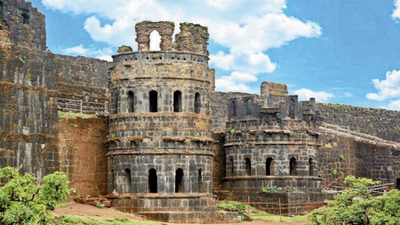
ASI scientists are of the view that the patina has been shielding the stone from the harsh tests of time, humidity and weather
Patina is a thin layer or film that usually forms on the surface of such stone structures due to age, and growth of micro vegetation on them. Scientists are of the view that the patina has helped the historical structure stand tall for centuries.

Senior Archaeological Survey of India (ASI) scientist Rajendra Yadav told TOI, "For years, the origin of the oxalate films covering stone surfaces across the Mediterranean basin, and beyond, has been a subject of debate. But our latest analysis reveals how the calcium oxalate patina on Raigad Fort's basalt stone walls has been silently protecting the monument for centuries. It's like the fort has its own secret protector, hidden in plain sight."
Formed through the work of micro-organisms, he said, the patina has been shielding the underlying stone from the harsh tests of time, humidity and weather. The findings of the analysis were recently published in the MDPI International Journal of Heritage. Former ASI scientist Manager Singh, who was also part of the analysis, said, "The calcium oxalate patina acts as a natural shield, safeguarding the underlying surfaces of the basalt stone from the ravages of atmospheric degradation, including pollution. The e researchers added that mechanical cleaning or chemical treatments that monuments are subjected to these days should be rethought, especially if they involve removal of this coating.
Senior ASI scientist Rajendra Yadav said removal of the patina could expose the underlying stone to new environmental challenges, leading to rapid deterioration.

About the Author
Neha MadaanEnd of Article
FOLLOW US ON SOCIAL MEDIA







Photostories

Hot Picks
TOP TRENDING
Popular Categories
Hot on the Web
Top Trends
India Qualifying ScenarioBaba Siddique NewsPakistan Cricket TeamRussell WilsonsSpacex StarshipRahul DravidWho was Baba SiddiqueBabar AzamNTA SWAYAM July RegistrationLawrence BishnoiAmazon LayoffsTaylor SwiftManagement Colleges of IndiaTop Medical Colleges of IndiaTop Engineering Colleges of IndiaTop Pharmacy Colleges of IndiaLive Cricket Score
Trending Topics
Diwali WishesNara RohithBaba SiddiqueShraddha KapoorVettaiyan CollectionVettaiyan ReviewNatasa StankovicDevara CollectionBigg Boss 18Deepika PadukoneShraddha KapoorRatan Tata Passed AwayJigra Movie ReviewVettaiyan Movie ReviewSwatantrya Veer SavarkarDussehra 2024Star Health Hacker DemandedViral MemesUltimate Football Codes October 2024Wordle Answer
Living and entertainment
Latest News
10 deadliest snakes in Australia and know their venom toxicityOver 70 injured at Devaragattu Banni stick festival during Dussehra celebrationsPassion missing, players don’t want to work hard, lament former intl’sHow tomato, potato, onion influence food inflationExclusive: Aishwarya Khare recalls his childhood memories of Dussehra, says 'my father used to take us all to watch Ram Leela and Ravan Dahan'Biker’s death ignites village fury in Odisha's Boudh, massive traffic jam on NH-57Reliance Jio sends 'complaint letter' to telecom minister Jyotiraditya ScindiaWomen's T20 World Cup: Why India need Pakistan victory over New Zealand to secure semifinal berthCops probing Bishnoi gang's links to Siddique's murderKrushna Abhishek shares a heartwarming post for mama Govinda; says 'jab body mein adha blood supremely talented actor Govinda ka ho...'Papankusha Ekadashi 2024: Date, Parana Time, Puja Rituals and SignificanceNorth Korea preparing to demolish inter-Korean roads, claims South KoreaAI’S OppenheimerRajveer Singh’s inspiring transformation on completing a decade in the TV Industry, says 'My passion for becoming an actor fueled my determination'India's Best Dancer 4: Karisma Kapoor recalls celebrating her favourite festival with granddad Raj Kapoor, says 'I used to go to RK studios for my Dadaji's Holi parties'Ashton Kutcher and Mila Kunis consider leaving Hollywood amid Sean 'Diddy’ Combs' arrest fallout: ReportFormer Pakistan PM Imran Khan's sisters shifted to Jhelum jail on judicial remand'I truly believe ... ': What police said after third assassination attempt on Donald Trump
Copyright © 2024 Bennett, Coleman & Co. Ltd. All rights reserved. For reprint rights: Times Syndication Service