
- News
- City News
- mumbai News
- Maharashtra assembly elections: A long march for women candidates
Trending
This story is from October 18, 2019
Maharashtra assembly elections: A long march for women candidates
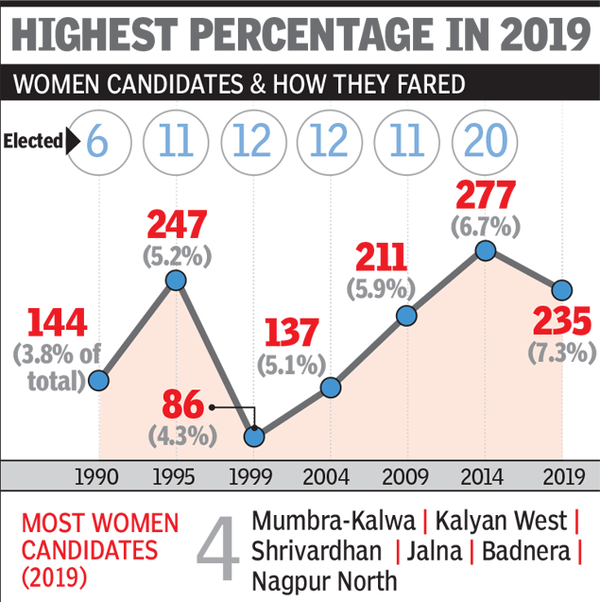
The percentage of women candidates in the state assembly elections has stubbornly stayed in single digits over the years, but has been inching up in the last four polls. This year, of the 3,237 candidates in the fray, 235 or 7.3% are women candidates
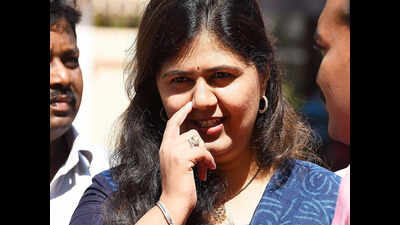
Pankaja Munde
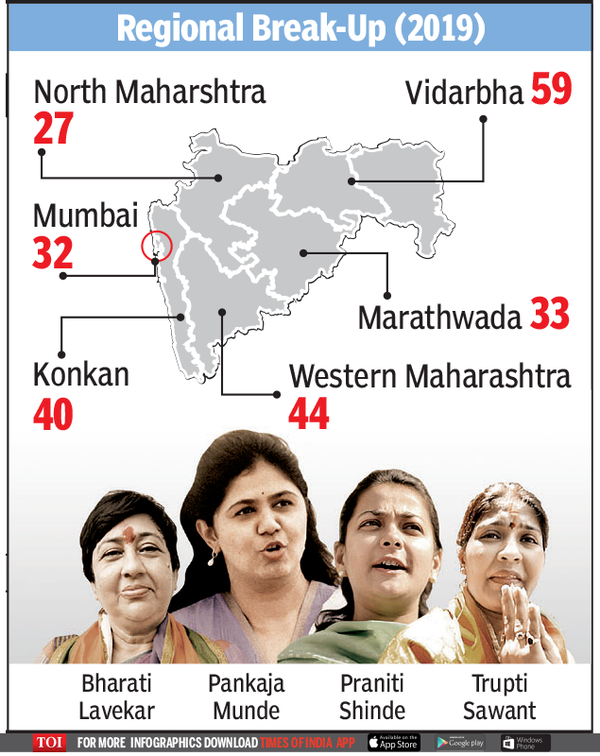
This is the highest percentage ever, and there is at least one woman candidate in 152 of the 288 assembly constituencies.

The state has reserved 50% seats in local bodies for women, but this reservation does not apply to assembly elections.
In 1972, there was not a single woman MLA in Maharashtra. Of the 56 women who contested, not one won. The situation is changing, but women leaders in parties who demand increased representation often find that besides patriarchal notions, the issue of winnability is a hurdle. “Gender bias is still rooted in the system. A large number of women nominees who have been given tickets this time are from political families. Very few local women get a ticket,” said a woman politician from BJP. She added that parties talk about winnability, but how can women prove their draw if they don’t get to contest.
The lack of women candidates sticks out as over the years, the number of women candidates has been going up; women's voting percentage too is on upswing. Of the 8.97 crore voters in the state, almost half (4.38 crore) are women.
“It is sad there are so few women candidates for a voter base that is almost as numerous as men. Women’s representation is required for raising women-related issues, which don’t happen a lot,” said Parineeta Patil, an activist.
A senior woman politician said a large number of women voters in rural areas do not vote on their own and are generally influenced by the husband or father. “Till the time women make their own choice and demand better representation, things will not change,” she said.

About the Author
Bhavika JainEnd of Article
FOLLOW US ON SOCIAL MEDIA








Hot Picks
TOP TRENDING
Trending Stories
In City
Entire Website
- UPS vs NPS Calculator: Is A Switch From National Pension Scheme to Unified Pension Scheme Really A No-Brainer? Check Calculations, Benefits - Top Points
- Top 10 sports stars turned power couples: From Agassi-Graf to Conner-Comaneci
- UPI transaction limit to change from September 16! Here are the new limits for various UPI payments
- Protests by Hindu groups in Shimla continue despite mosque demolition
- Schools to be closed tomorrow in these states: Here’s why
- 9 Inspirational Quotes Every Student Should Embrace for Academic Success
- 'We can be political rivals but ... ': BJP's reaction on minister's Rahul 'No. 1 terrorist' remark
- Donald Trump Jr dumps fiancee Kimberly Guilfoyle for Bettina Anderson?
- Trump vs Kamala polls latest: Harris gains from post-debate bounce
- NEET PG counselling schedule 2024 delayed: Why candidates moved to Supreme Court, hearing dates and other latest updates
- I am happy but also sad that my elder brother Kejriwal is resigning: Delhi CM-elect Atishi
- No adverse action will be taken against protesting doctors: SC
- Will this 19-yr-old flying solo around the world get his $1mn?
- 'May God protect Delhi': Swati Maliwal calls Atishi 'dummy CM'
- Fadnavis responsible if Maratha quota demand not fulfilled: Manoj Jarange
- 'There's no problem': Rohit on Gambhir's different coaching style
- Can Vijay, a box-office BEAST, become a political GOAT?
- ICICI Bank warns customers; says these are signs of 'fraud attempt'
- Failed Surya imitation: Pakistan cricketer's blunder
- PM Modi launches Odisha’s flagship Subhadra Scheme, projects over Rs 3800 cr

Popular Categories
Hot on the Web
Top Trends
Dominique PelicotUS Fed Rate CutIndia vs China Champions TrophyUPI Transaction LimitWhere to Watch India vs China Final Hockey MatchUPS vs NPS CalculatorSports Stars Turned Power CouplesNEET UG Admission CriteriaAtishiKolkata Doctor Rape CaseArvind Kejriwal Resignation LiveAli Khamenei TweetSuryakumar YadavVince McMahonTech LayoffsDonald TrumpLive Cricket Score
Trending Topics
Chandra Grahan 2024 FoodLuxury BrandCancer CauseKhatron Ke Khiladi 14Chinas EggLuxury BrandSunita AhujaGoat CollectionSalman Khan FarmhousePitra Paksha 2024Lunar Eclipse 2024Kangana RanautAditi Rao HydariDalljiet KaurHoliday DestinationVikas SethiReliance Jio DownApple iPhone 16 ProVirat KohliWordle Answer
Living and entertainment
Latest News
Pankaj Kapur is proud of son Shahid Kapoor’s film choices, calls him ‘the finest actor in the country’Mukhtar Ansari died of heart attack, not poisoning: UP's Banda district magistrate's report4 types of tea to improve gut health and ease digestive issuesMemeFi daily codes for 17 September 2024: Boost your earnings with daily codes and know how to maximizeKhatron Ke Khiladi 14: Shalin Bhanot hosts a fun party for his co-contestants Krishna Shroff, Abhishek Kumar, KaranVeer Mehra and othersDecoding how log analytics systems are enabling brands to derive maximum value from dataSebi U-turn: Pulls note blaming 'external elements' for staff stirTaurus, Daily Horoscope Today, September 17, 2024: Anxiety and stress diminishLiza Colon becomes 1st Latina to win Best Supporting Emmy AwardFormer WWE superstar is no longer listed on their internal rostersBeyond Paychecks: Job satisfaction, work-life balance more important than salary for Gen Z workforceThrowback: When Sunita Ahuja showered love on husband Govinda, 'A superb son, brother, and a very good father...'Why more couples aged 50 or older are getting divorcedThese are the most toxic fresh produce of 2024Things to do before, during and after Lunar EclipseCongress condemns Shiv Sena MLA's 'Rs 11 lakh reward to cut Rahul Gandhi's tongue' remarkThe 3 Strongest Zodiac Signs: Powerhouses of the Zodiac WheelPics; Monalisa visits Lalbaugcha Raja with husband Vikrant Singh
Copyright © 2024 Bennett, Coleman & Co. Ltd. All rights reserved. For reprint rights: Times Syndication Service