
- News
- City News
- ludhiana News
- Electroplating industry on the edge post-Giaspura tragedy
Trending
This story is from May 30, 2023
Electroplating industry on the edge post-Giaspura tragedy
The electroplating industry of Ludhiana is on tenterhooks following the Giaspura gas leak tragedy. Electroplating units in the area still have not got a clean chit from the authorities. Meanwhile, businessmen within the industry insist that they strictly adhere to all regulations and do not deal with hazardous chemicals capable of causing such gas leaks.
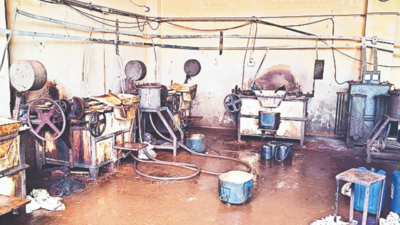
Industrialists claimed they are complying with the norms

Industrialists also claimed that every electroplating unit in the city is a member of the Ludhiana Effluents Treatment Society (LETS), which manages the common effluent treatment plant (CETP), and that they are fully compliant with environmental norms.
Rajan Gupta, vice-president, Ludhiana Electroplaters Association (LEA), said, “From the very first day, the electroplating units have been unfairly held responsible for the gas leak, without any concrete evidence to support such claims. The image of our industry has been tarnished and we have been crowned as villains responsible for this unfortunate incident.”
Claiming that reality is other way round, Gupta said, “There are approximately 1,500 electroplating units engaged in job work or in-house production, and all of these are totally compliant when it comes to adhering to rules and regulations. All these factories have obtained proper approval from the Punjab Pollution Control Board (PPCB) and ensure that the water used for chemical treatment is treated by LETS.”
LETS CEO Narinder Bhamra said, “The existing CETP for the electroplating industry has the capacity to treat 8 lakh litres of chemically contaminated water every month. LETS has approximately 2,000 member factories, with the majority involved in electroplating. Over the last five years the capacity of this plant to treat water has been doubled after effluent discharge quantity of member factories increased. This clearly indicates that all the members are sending their effluents for treatment at CETP only and not indulging in any malpractices.”
Bhamra said water used by these factories is safely transported to the CETP, where it undergoes 100% treatment, leaving no trace of any environmentally hazardous materials. “The significant increase in effluent treatment from 2 lakh liters at the Focal Point CETP to four times that amount is evidence that even previously non-compliant factories have now fallen in line with environmental norms,” Bhamra added.
Bizmen are also of the view that the electroplating industry of Ludhiana does not use hazardous chemicals which can cause such type of mishaps. LETS secretary Gurmeet Singh Kular said, “Ludhiana's electroplating industry primarily uses mild chemicals such as nickel, sulfuric acid, and chromic acid. Therefore, the chances of a tragedy like the one in Giaspura occurring due to the discharge of effluent into municipal sewers are highly unlikely.”

About the Author
Mohit BehlEnd of Article
FOLLOW US ON SOCIAL MEDIA










Photostories
Hot Picks
TOP TRENDING
Popular Categories
Hot on the Web
Top Trends
Vinesh Phogat ElectionHisar Election Result 2024Election Results 2024 LiveHaryana Election Result 2024Travis KelceJammu Kashmir Election Result 2024Israel Hezbollah WarSunil GavaskarKayla NicoleHaryana Assembly Constituencies 2024Top Pharmacy Colleges of IndiaGurugram Election ResultWomen's T20 World CupTop MBA Colleges of IndiaT20 WC ScheduleWomen T20 World Cup Points TableLive Cricket Score
Trending Topics
Alia BhattBigg Boss Tamil 8 Contestants ListAjay DevgnNavratri Colours 2024Sanjay Leela BhansaliDurga Puja 2024Bigg Boss 18 House PhotoDevara CollectionNita AmbaniDeepika PadukoneGovindaDevaraGovinda NewsDevara Movie ReviewSwatantrya Veer SavarkarColdplay India tour 2025Watch NFL Live StreamDress To ImpressCall Of Duty Black Ops 6Wordle Answer
Living and entertainment
Latest News
India set to discuss surge in silver imports with UAEAmbala Cantt Assembly Election Result 2024: BJP's big gun Anil Vij leading in early trendsAquarius, Daily Horoscope Today, October 08, 2024: . You are likely to receive recognition5 of gang involved in extortion, robberies, nabbed; 3 pistols,18 rounds recoveredUrban apathy drags voter turnout in HaryanaWhy are the CEOs of most luxury brands stepping down?Gurgaon Assembly Elections Results 2024: AAP relies on Congress, BJP rebels to gain footholdAlia Bhatt just cannot keep calm on watching 'Singham Again' trailer, says 'all the dynamite in one frame' for the big multi-starrer led by Ajay DevgnMelania: What Donald Trump and Barron said about bestseller before releaseNCERT to triple textbook production, aims to print 150 million books this year: Edu ministerMonetary policy committee meet: RBI moving closer to rate cutWatch: Team India arrives in Delhi ahead of 2nd T20I against Bangladesh'I own a Glock and yes, I’ve fired It,' says Kamala on 60 Minutes; rules out solo talks with PutinEr Rashid calls for keeping govt formation on hold to press for statehood restorationKathua (SC) Assembly Election Result 2024: Counting of votes todayHappy Durga Puja 2024: Best Messages, Quotes, Wishes, and Images to Share on Durga PujaSubmit details or aid will be stopped: RSSC chairperson to sports associationsPanchkula Assembly Election Result 2024: Vote counting today, BJP's Gian Gupta is pitched against Congress's Chander Mohan
Copyright © 2024 Bennett, Coleman & Co. Ltd. All rights reserved. For reprint rights: Times Syndication Service