
- News
- City News
- guwahati News
- Naga accord not to alter Assam territory: Centre
Trending
This story is from October 15, 2017
Naga accord not to alter Assam territory: Centre
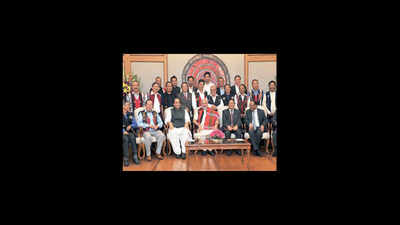
PM Modi during the signing of the Naga Framework Agreement in Delhi. A file photo.

The NSCN(I-M), which signed a ‘Framework Agreement’ with the Centre two years ago to form the basis of the final agreement, wants large parts of Assam, Manipur and Arunachal Pradesh having Naga inhabitants to carve out a greater Nagaland.” The Centre has recently expanded the perimeter of the peace process, which was started way back in 1997 with the NSCN(I-M), by bringing all other insurgent groups, barring NSCN(K), on board. In 1971, the Centre had appointed a committee headed by then chairman of the Law Commission, KVK Sundaram, to examine Nagaland’s claims. Sundaram had suggested a joint survey of the border which was rejected by Nagaland. However, the two states signed interim agreements to maintain status quo on the border. In 1988, the Assam government moved the Supreme Court and in 2006 the court set up a three-member commission headed by a retired SC judge to identify the boundary.

About the Author
Prabin KalitaEnd of Article
FOLLOW US ON SOCIAL MEDIA








Photostories
Hot Picks
TOP TRENDING
Popular Categories
Hot on the Web
Top Trends
Trending Topics
Diwali WishesDhanteras 2024Fake PaneerKarwa Chauth WishesKarwa Chauth Mehendi DesignVicky Vidya Ka Woh Wala Video CollectionKarwa Chauth 2024Salim KhanAvinash MishraBigg Boss 18Kaun Banega Crorepati 16Kiccha Sudeep's Mother Death NewsVettaiyan CollectionBougainvillea Movie CollectionJuhi ChawlaLiam PayneTop Load Washing MachinesBest Premium LaptopsIntel LayoffsWordle Answer
Living and entertainment
Latest News
King Charles makes his first public appearance during Australia tourShraddha Kapoor’s Stree 2 struggling to cross Rs 600 crore markSagittarius, Weekly Horoscope, October 20 to October 26, 2024: Midweek presents health obstacles and emotional stressorsMy target is to throw beyond 90m mark: Neeraj ChopraBest Glass Top 3 Burner Gas Stove: Top Recommendations for Gourmet Home CookingReport: Former WWE Chairman Vince McMahon Enforced Strict Rules on Creative TeamKatrina Kaif flaunts mangalsutra during Karwa Chauth celebration with Vicky Kaushal and familyElderly couple found murdered in Hyderabad, $2k, jewels missing'Congressman by birth': Ex Hrayana minister Ajay Yadav makes another U-turn, returns to Congress in two daysRohini blast: Material used in blast outside Delhi school resembles crude bomb, says forensic lab sourcesDelhi girl survives wrist cut but lover, overcome by sight of blood, diesIn Israeli footage of the last minutes of Hamas leader's life, some see a symbol of defianceTamil Nadu governor R N Ravi faces the music after omisson of ‘dravida’ from Tamil anthem'Aap gaaliyan de rahe hain...': Basit Ali blasts Pakistan bowler for Abhishek Sharma send-offPrabhas’ Salaar to re-release on his birthday in United States of AmericaLiam Payne passes away: Woman tweets that the singer ' jumped off his balcony'Odisha CM Mohan Majhi showcases state’s business potential at Mumbai roadshowThrowback: When Kajol opened up on her parents' separation when she was barely 5; 'It could have gone very wrong...'
Copyright © 2024 Bennett, Coleman & Co. Ltd. All rights reserved. For reprint rights: Times Syndication Service