
6 ultra-rare Bugatti models ever built
6 ultra-rare Bugatti models ever built
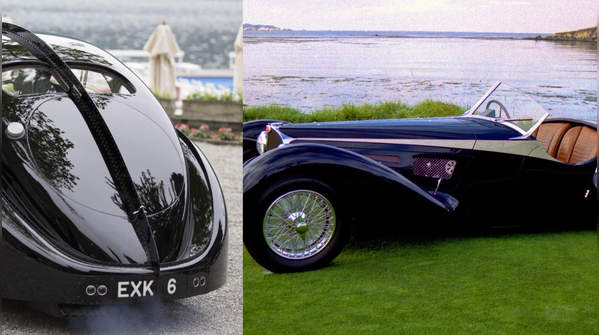
Bugatti has never been a brand that does ordinary. From its earliest years, the marque has lived in a territory where engineering met theatre, and where a car was never just a machine but a declaration. Some Bugattis were built to race, some to dazzle, and some simply to exist as rolling proof that excess can be an art form. The rarest among them are now less like automobiles and more like relics: difficult to see, almost impossible to own, and unforgettable once encountered. Scroll down to discover six ultra-rare Bugatti models ever built.
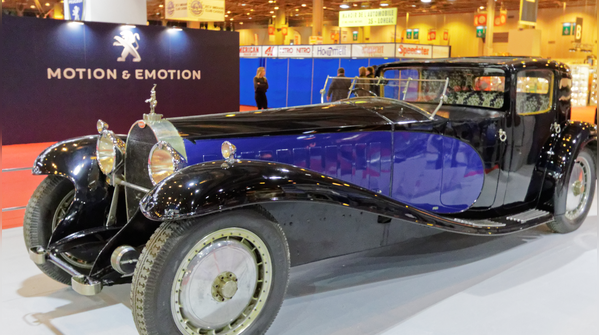
Type 41 Royale
The Type 41 Royale is perhaps the ultimate Bugatti statement piece. Built in the late 1920s and early 1930s, it was intended for royalty and the ultra-elite, with a scale and presence that made most luxury cars look modest. Only six were ever built, and each one carried a different body style and personality. Its enormous engine and lavish proportions made it spectacular even by Bugatti standards. The Royale was never just rare; it was audacious.
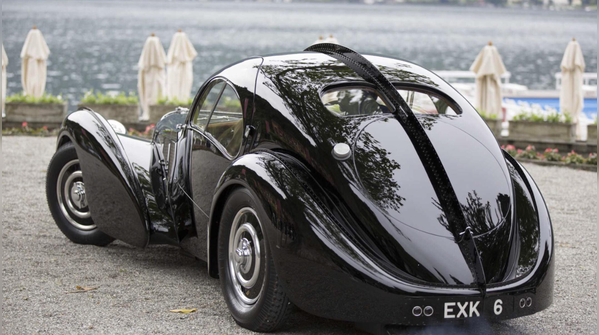
Type 57SC Atlantic
If there is one Bugatti that feels like a myth made metal, it is the Type 57SC Atlantic. Only four were produced, and its flowing bodywork, riveted spine, and long, low silhouette have turned it into one of the most coveted cars in history. The Atlantic is the kind of machine that seems to exist slightly outside time, with a design language that still feels startlingly modern. It is the Bugatti that collectors talk about in the same breath as masterpieces in a museum.
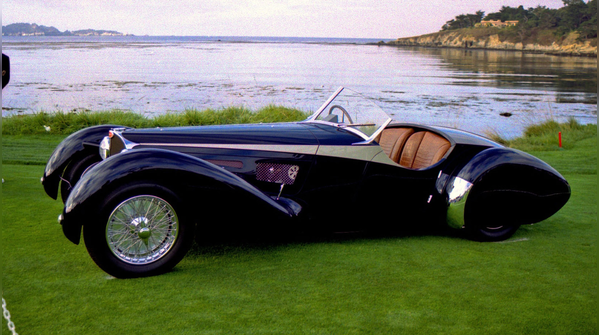
Type 57SC Corsica Roadster
The Type 57SC Corsica Roadster is far less famous than the Atlantic, but that only deepens its allure. Only a handful were built, with coachbuilder Corsica producing just a few two-seat roadsters on the rare Type 57S chassis. Like many pre-war Bugattis, it reflects a period when craftsmanship was deeply personal and coachbuilders could shape a car into something almost bespoke. Each example carried its own subtle differences, turning the Corsica Roadster into less of a model and more of a rolling piece of sculpture. Its rarity may not come with the same fame as the Atlantic, but among collectors, it represents the quieter, more elusive side of Bugatti history.
EB110 Super Sport
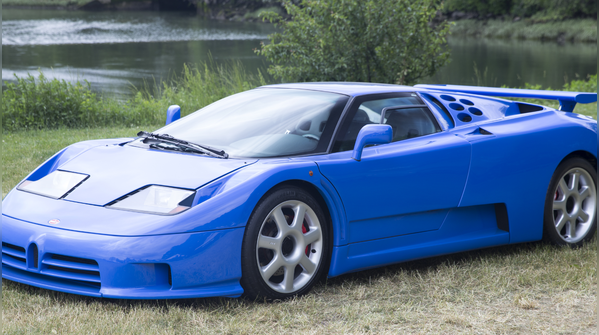
When Bugatti returned in the early 1990s, the EB110 Super Sport became the car that announced the brand was not merely reviving nostalgia. It was pushing forward. The EB110 already had a futuristic edge, but the Super Sport sharpened everything: speed, stance, and intent. Built in very limited numbers, it bridged the gap between old-world Bugatti mystique and modern hypercar aggression. Today it matters because it captures a turning point, the moment Bugatti re-entered the supercar conversation with force.
Chiron Profilée
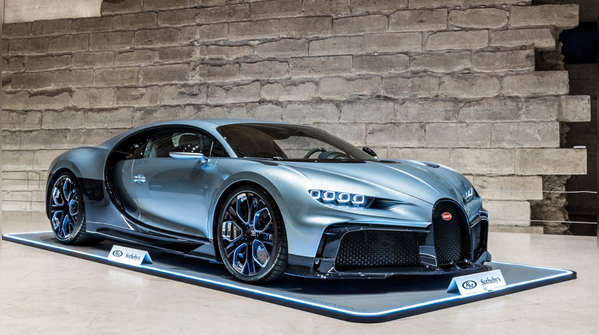
The Chiron Profilée is a modern rarity that feels almost accidental, which somehow makes it even more desirable. Originally planned as a special model rather than a mass-production variant, it ended up as a single completed car. Its design is based on the Chiron platform, but with a more tailored aerodynamic approach and a distinctive, elegant presence. In a world where many hypercars are built to a formula, the Profilée stands out precisely because it breaks from it. It is the kind of car that makes even seasoned enthusiasts lean in closer.
La Voiture Noire
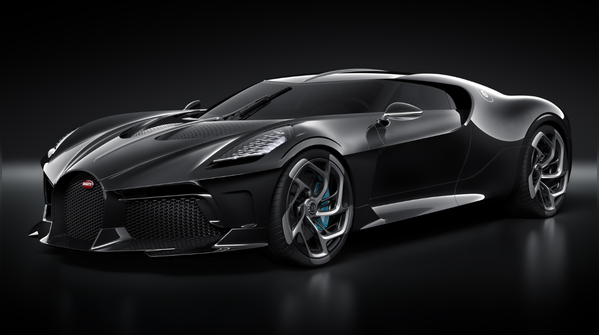
La Voiture Noire is Bugatti at its most cinematic. The name alone sounds like a headline. Unveiled in 2019 as a one-off creation, it was conceived as an ultra-exclusive tribute to the legendary Bugatti Type 57 SC Atlantic that vanished during the Second World War. Built on the mechanical foundation of the Chiron but wrapped in entirely bespoke bodywork, the car blurs the line between hypercar and sculpture. It is not rare in the usual sense; it is singular, designed to honour Bugatti’s past while projecting its mythology into the present. That is what makes it so compelling. It feels less like a car meant simply to be owned than one meant to be remembered.
Featured In Auto

