
- News
- World News
- Rest of World News
- China’s EV boom is cleaning the air, and may have prevented 260,000 deaths
Trending
China’s EV boom is cleaning the air, and may have prevented 260,000 deaths
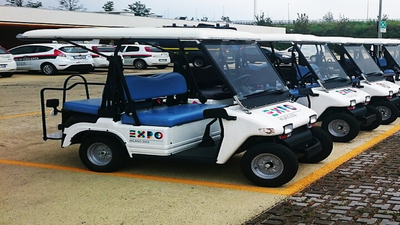
Electrically-powered vehicles| Image Credit: Wikimedia Commons
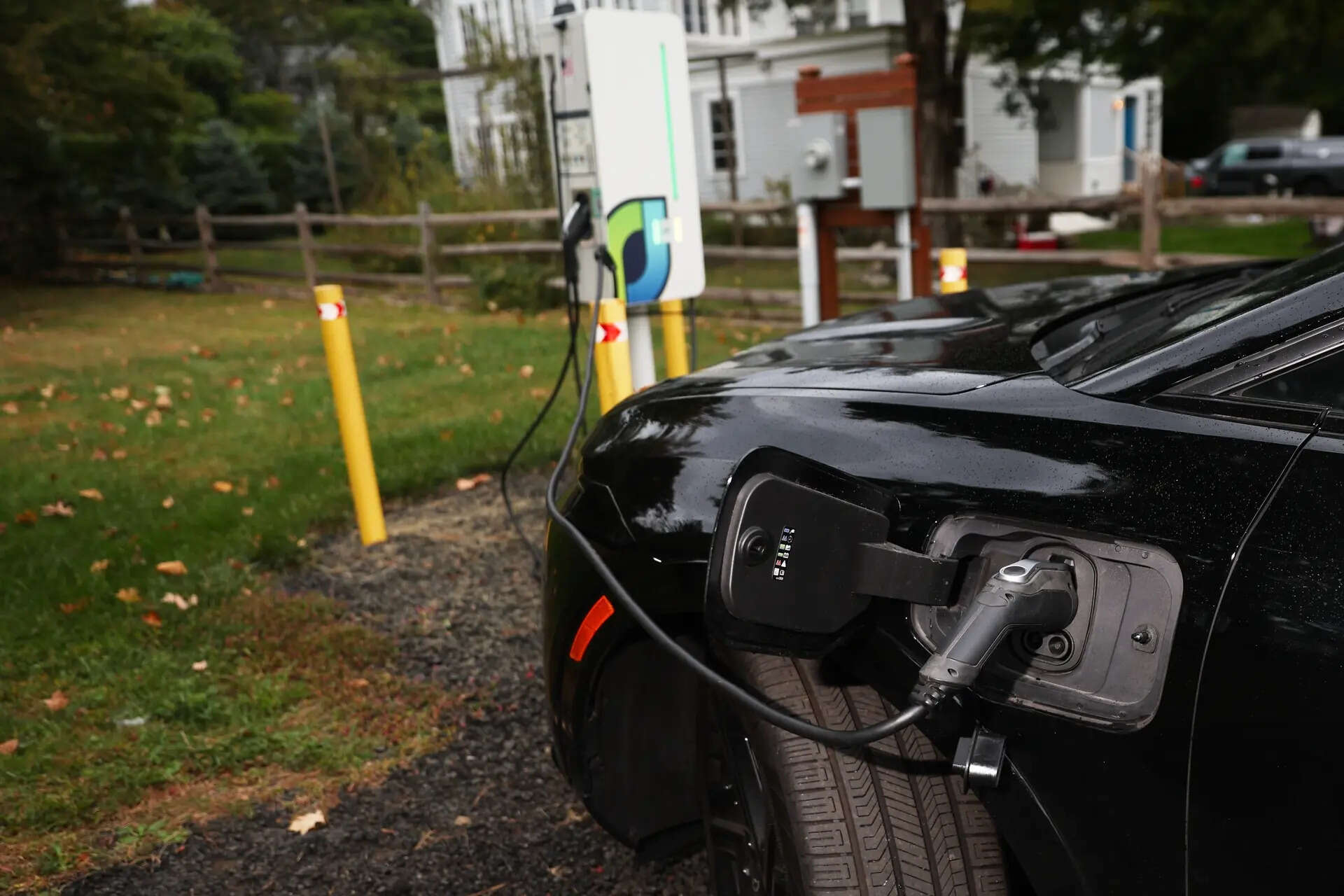
Motorists in are rapidly switching to electric vehicles| Image Credit: AP

About the AuthorTOI World Desk
End of Article
Follow Us On Social Media

Hot Picks
Top Trending
Tired of too many ads?go ad free now
Trending Stories
In Rest of World
In World
- 4.5-billion-year-old Sahara meteorite may be the first clue to a lost planet that vanished from our solar system
- What makes King Lynn’s Red Register so unique: A UNESCO-recognised book that preserves medieval England’s hidden history
- Alaska’s rivers are turning rust-orange and scientists say the cause has been frozen for thousands of years
- British woman bought her husband a Valentine's Day gift box, days later, it killed him
- Historic milestone: South Korean women could become the first people in history to live beyond 90 on average
- PoK unrest: Baloch chief backs resistance, accuses Pak of suppressing political rights
- Andaman Islands make history with a 73-foot underwater human tower, setting a Guinness World Record
- Belfast unrest: Starmer condemns anti-immigrant violence after knife attack, vows action against rioters
- Indian-origin billionaire announces Dh1m aid for UAE road crash victims: 6 Indians among 7 dead
- 700,000-year-old squirrel poop reveals a lost Arctic world of mammoths, horses, and giant predators
- UPSC Prelims Result 2026 Live Updates: CSE result expected anytime now at upsc.gov.in, check direct link and latest updates
- US-Israel-Iran War News Live Updates: 'Very close to strong powerful deal' - Trump sees path to Iran deal despite latest escalation
- Rajasthan BSTC Pre DElEd result 2026 to be released shortly at predeledraj2026.com: Here's how to download scorecards
- 2019 Easter bombings: Sri Lanka says ex-spy chief ‘directed’ attack killed 279
- Heated moment! Nahid Rana angers Josh Inglis with fiery send-off during BAN vs AUS 1st ODI - Watch
- Rajasthan BSTC Pre D.El.Ed result 2026: Website down, here's how to check scorecards at predeledraj2026.com
- Pakistan army Mi-17 helicopter crashes near Muzaffarabad, crew killed
- Tamil Nadu BJP state secretary Amar Prasad Reddy quits party, to join Annamalai's 'journey'
- TMC denies any discussion between leadership of both parties about merger with Congress at Rahul-Abhishek meeting
- BSF Constable Tradesman 2025 result declared at bsf.gov.in, 1.81 lakh shortlisted for second phase written test: Download PDF here
Tired of too many ads?go ad free now



Explore Every Corner
Across The Globe
Keir StarmerUS Iran WarUS Strikes IranMeenakshi NatarajanJoSAA 2026 mock seat allotmentMohan YadavAuston Matthew Car CollectionBSF Constable Tradesman resultPM ModiFIFA World Cup Full ScheduleBen StokesIran Drone AttackRonaldo Vs Messi Match ScenarioPakistan AirstrikesPakistan helicopter crashKerala DHSE Result AlternativesSushmita Dev ResignCITS AICET Result 2026Nahid RanaWomen T20 World Cup Price MoneyAlex PereiraVaibhav SooryavanshiKarnataka MurderMike VrabelTNEA Random Number 2026DHSE Kerala Plus One Result 2026UPSC Prelims ResultCBSE Class 10 Second Board ResultLionel MessiUS Missile Attack

Hot on the Web
Ravi MohanAlpha TeaserBharathiraja Death NewsKumod RaneyBharathiraja Live UpdateSalman KhanNarendra Modi DietCM VijayNeil BhattAly GoniSapna ChoudharyPranit MoreArmaan MalikMarie CuriePawan KalyanTrevor Dietz Death NewsSandhya MridulJacqueline FernandezKangana RanautCardi BRavi ShastriIllegal Construction RulesHimanshu JangraAlpha Teaser ComparisonRaveena TandonBharathiraja DeathEva GroverBlast Box Office CollectionPankaj BhadouriaHoroscope TodayFlipkart Consumer Court CaseKerala High Court Accident CompensationAllahabad High CourtMysuru Cases Supreme Court Lok AdalatNissan Gravite MPVHuman Evolving On Tibetan PlateauLargest Islands In The WorldModern Day BrahmastraGoogle Release MosquitoesIndia Nuclear WarheadsNyt ConnectionsCaptions For Instagram Posts
Trending Topics
Rajasthan BSTC Result 2026Unemployed GraduatesSabyasachi DuttaMamata BanerjeeOTET Exam Rescheduled 2026Ruturaj GaikwadNEET UG Re-Exam 2026Kerala Plus One Result 2026Blake LivelyJesse RidgwayBen StokesKerala DHSE Plus One result 2026IShowSpeedJason Kelce and Kylie Kelce net worthFortniteInde NavarrettesDianna RussiniKelly StaffordErling HaalandCristiano RonaldoIran WarPakistan AirstrikesIran Drone AttackDonald TrumpUS Strikes IranKing CharlesPakistan helicopter crashUS Missile AttackSouth Africa ShootingKeir StarmerWalmart ShareholdersMicrosoft Criminal InvestigationWashington Millionaire TaxMarc BenioffClaude Fable 5EU Orders MetaGoogle Cloud OutageIOS 27 Supported DevicesGarena Free Fire MAX Redeem CodesPeroxide CodesGenshin Impact Codes
Popular Categories
HeadlinesSports NewsBusiness NewsIndia NewsWorld NewsInternational SportsHealthBreaking NewsTravelAstrologyDeorhiTOI Young LeadersTOI Home Decor AwardsPower Creator Awards 2026TOI Ecopreneur Awards 2026Gold Rate TodayWeather TodaySilver Price TodayDelhi Weather TodayPetrol Price TodayDiesel Price TodayCNG Price TodayLPG Price TodayPetrol Price MumbaiDelhi AQIIs Bank Open TodayMumbai AQI TodayIs Bank Open TomorrowPublic Holidays in JuneBank Holidays in June
Trending Videos
Lock Upp Is Coming To Netflix This June And Fans Are Already Bracing For Chaos How Do People Get Hypnotized? Hypnosis, Influence & Human Psychology Explained | Ft. Ravinder KumarKrunal Pandya: On India comeback, Virat Kohli, Vaibhav Sooryavanshi and more | TeaserKonark Temple's Floating Idol Mystery : How Did the Idol Float? | Ft. Surya RoyBoss Cat - Official TrailerKadaknath - Official TeaserAfter Weeks In Captivity, 14 Freed In Manipur, Search Intensifies For Six Missing MenMan of War Trailer: LaMonica Garrett, Andrew Howard and Linds Edwards Starrer Man of War Official TrailerSushmita Dev Quits TMC & Rajya Sabha, Delivering Fresh Blow To Mamata Banerjee As TMC Crisis DeepensNeetu Kapoor Redefines Timeless EleganceCabinet Gives Standing Ovation As PM Modi Becomes India's Longest-Serving Elected PMKangana-Delhi CM Mutual Admiration Moments Go Viral; And A Tax-Free Bonanza DropsBelfast Erupts In Fiery Unrest; Cars, Buses And Buildings Burn After Knife AttackRama Digs In On Ivanka & Kushner's Sazan Project; Despite Mounting Protests And ProbeAlpha - Official TeaserRussian Military Foils Big Attack On Moscow; Drones Fired Towards Capital Smashed | WatchAnumana Pakshi - Official TeaserBaby Do Die Do - Official Teaser
Latest News
Hazaribag man drowns while fishing in lake"Behen Darr Gayi!": Fans relive ‘Bhagam Bhag’ era after watching Akshay Kumar's 'Bhooth Bangla' trailerMBOSE HSLC result 2026 to release tomorrow: Check details hereIran war risk: JPMorgan CEO Jamie Dimon warns of oil shocks, sticky inflation and higher interest ratesMake your clutch last longer with these easy driving tips“Three-against-one situation”: El Rubius opens up on being “targeted” in MrBeast’s viral $1M challengeBihar BTSC lab assistant notification released for 1091 posts at btsc.bihar.gov.in; apply hereIPL craze costs techie Rs 1.46 lakh in fake RCB vs CSK ticket scamRaising “robot-proof” kids: Why creativity and curiosity matter more than everInside ‘Satguru Sharan’: Exploring Saif Ali Khan and Kareena Kapoor Khan’s Rs 100 crore Bandra homeHow selling Alaska in 1867 was a costly mistake for Russia'Hera Pheri 3 is coming': Paresh Rawal dismisses delay reports and reveals he will 'start shooting soon'US-Iran War: A daring rescue Hollywood blockbuster is on its way. Till then, pick your favourite from these 10 films on bringing someone home against all oddsKolkata team unveils fan mural at Rash Behari Avenue, celebrating city’s first loveHow US spread a lie to rescue a pilot of a jet shot down in IranNetflix unveils ‘VOID’, an AI model that can change a movie plotAI data centers are causing 'stress' not just to tech companies, but also private insurers"Trans women are.....": Clavicular’s viral moment with trans women sparks fresh conversation on internet culture
Copyright © 2026 Bennett, Coleman & Co. Ltd. All rights reserved. For reprint rights: Times Syndication Service