
- ETimes
- Movies
- Movie Reviews
- Reviews
- The White Tiger

The White Tiger
2 hrs 5 minsReleased: 22 Jan, 2021
English
Drama
& Crime
Streaming On: Netflix4.5
Critic's Rating
4.0
Users' Rating (36)
About the Movie
The closing shot shows a boastful Balram breaking the fourth wall and with those piercing, rage-filled eyes, tells us, “I’ve switched sides. I have brokenaway from the coop.” The smirk and that air of arrogance are self-explanatory – no, Balram is not a good man anymore, just rich!
Cast






The White Tiger Movie Review: Bold and un-caged

4.0
Direction
4.5
Dialogues
4.5
Story
4.0
Visual Appeal
*The overall critic’s rating is not an average of the sub scores above
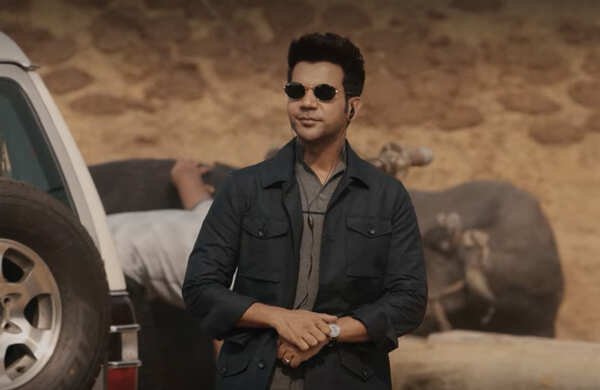
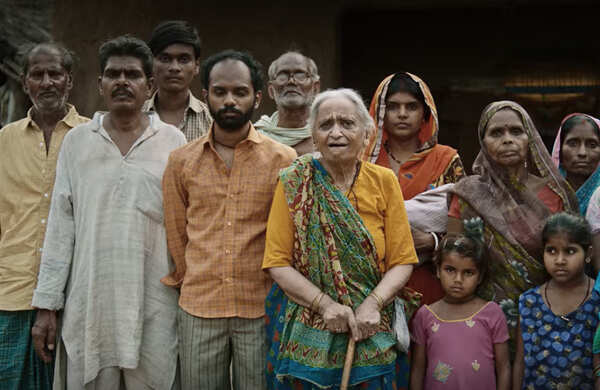
STORY: Balram Halwai (Adarsh Gourav) was born into oblivion – a rustic upbringing, deplorablehome that stinks of hunger and sadness, forced to drop out of school even before he had startedlearning. But, this nonconformist had a dream, to break free from the shackles of the ‘roostercoup’… to unlearn servitude and how not to get sucked into feudalism. This social commentary is theretelling of Aravind Adiga’s 2008 Man Booker Prize-winning book by the same name and it is aspitch-dark as it is funny.REVIEW: It’s butterflies and rainbows for Master Balram Halwai in the pretermitted village ofLaxmangarh as a very generous education officer has picked him for a better shot at life andlearning in the capital city of Delhi. That is until his rickshaw-pulling, debt-riddled father hastuberculosis and they must walk all night to get to a hospital two villages south of theirs. He doesn’tmake it and the kid’s solipsistic grandmother – ironically named Kusum ji (meaning Safflower) – pulls him and his big brother out of school to work at the nearby tea shop. When the father was alive, he was tied in servitude to a ruthless feudal lord with old money from digging the coal mines ofDhanbad – named The Stork (Mahesh V. Manjrekar) – who would extract every penny out of thebarely-fed, overworked, daily labourers who were drowning in a mountain of debt to the man.Even at a tender age, the dropout is simmering and calls the stay-faithful-to-your-master-till-death mentality a ‘rooster coop’ – a state of being where generations of downtrodden people were brainwashed into believing that they, at all costs, must serve and surrender to their masters. But Balram is a charming little rebel in this forsaken family. “I need 300 rupees to learn driving and I shall return all of it,” he begs of his granny but, the old lady wouldn’t budge; the master manipulator in him drops the bait of sending all of his salary to the family at the end of every month and voilà! The deal is sealed! The Stork’s younger, America-return son Ashok (Rajkummar Rao) and his inter-faith wife, Pinky madam (Priyanka Chopra Jonas), are back in town and are looking for a second driver for their car. The real story begins when the less fortunate meets the uber fortunate and how the clash of these two worlds gives birth to a white tiger – a rare breed, believed to be born once in every generation.Truth be told, the trailer of Iranian-American filmmaker Ramin Bahrani’s ('99 Homes', 'Men Push Cart', 'Fahrenheit 451') ‘The White Tiger’ did not inspire much enthusiasm in us and had us believe that it is but another dramatic retelling of an outsider’s understanding of India. That it is an extension of ‘Slumdog Millionaire’ sans that million-dollar question – the poor will be glorified and the rich, demonised – and long, wide b-rolls of starved bodies and scrawny faces popping up every now and then to show the ‘real, poor India’. Wrong! If anything, ‘The White Tiger’ is a mirror image of what (some may say) this country has been reduced to – with the privilege of a regular overflow of cash being in the hands of a select (read corrupt) few, while the have-nots perish to dust because unfortunately they’re – born poor, stay poor, learn to live poor and die poor. But, in Bahrani’s world, a pesky, little conniving rat called ‘the rich Indian’ is no different from a helpless poor Indian trying to stay alive. Balram’s humble upbringing may have played a role in asking for a salary cut ‘as it was too much for him’ but it is this same man who employed cacophony, deception and became a shameless stooge to get the job he thought would change his fate.Bahrani’s protagonist is a hot boiling pot, ready to trickle down at the slightest provocation. But,there is this inner tension within him that he must silence – on one hand, he is devoted to hisemployer and his abusive family with soldier-like loyalty and in another, his prying eyes often givenin to the greedy animal within, wherein he has these intense romantic moments with that bag full ofcash Ashok walks with, in and out of various government offices. “Do we loathe our masters behinda facade of love - or do we love them behind a facade of loathing?” he questions himself. More oftenthan not, submission cancels out gluttony. The narrative is an amalgamation of class distinction,coupled with casteism that our nation has been plagued with for ages, while politics and crookedpoliticians paint the backdrop of this social drama with catharsis.Before Balram could even think about being an entrepreneur, a lady politician from ‘chota jaat’ –wittily called ‘The Great Socialist’ – has climbed up the ranks, and he must quench his insatiablethirst of rolling over to the other side of the fence. “If only a man could spit his past out so easily”, hequips, while brushing his teeth after having being rebuked for, well, just trying to get by. A certainWen Jiabao, the then Chinese Premier, is planning a visit to India and he must tell him all in a letter:his hardships and how he catapulted to success, but most importantly, how he became the whitetiger of his generation. “America is yesterday, the future is India and China,” Balram sweet-talks thePremier.The opening shot of the film had us crack up: after all, it is only in Bollywood that you freeze a frameand go back in time to tell the story as it unfolded. As we progress, the lines start to get blurred.Feudal lord becomes family while the self-righteous drop the façade as life throws them under abulldozer. Balram is the dinner-table gossip among his peers, “People are talking about you…that you have been muttering things to yourself,” informs Vitiligo (Nalneesh Neel). Balram doesn’t bother; he only wants to be rich. Not sane, not moral, just rich. The narrative benefits from the dark-comedy treatment as almost every other character imparts Sadhguru-level philosophy. “You were looking for the key for years. But the door was always open,” tells Pinky madam. In the initial moments of complete naivety, when the sadism of a big-city lifestyle was smiling from afar, Balram protests when Vitiligo questions the integrity of his malik, “Mr. Ashok doesn’t do any of these things. He is a good man.” “He is a good man?” screams Vitligo, “He is a rich man!” The cold stare in Vitiligo’s eyes gives away his hopelessness towards life and those ruling the game.Adarsh Gourav wasn’t a household name when this movie was announced but, we guess that’sabout to change. The actor has a penchant for intricate details and you can tell: acing that colloquialNorth Indian accent, mannerisms of a troubled persona and that of a man who was once innocentand immune to the darkness of the world. Although he is consistently inconsistent as Balram – youknow, coming off as a loony who devices deathly plans through loud monologues, and also goes outto his master’s mansion to apply oil on his hair carefully masking his hideous plans – Adarsh hasdevoured Balram with childlike sincerity. On several occasions, the actor does drop the accentand speak fluent English but those moments are so rare and don’t really distract from an otherwisesuperlative performance.Rajkummar Rao’s Ashok is a money man who has not been given a crash course in life – shark inpolitical dealings and bribe distributions, lonely in love. Priyanka Chopra Jonas is, like Balram’scharacter rightly assesses, the one who didn’t care about societal traditions. Her character Pinky isthe rebel in a family that doesn’t do rebellion good. Both Rao and Priyanka embody that class of menwho are self-pressured into being nice to the lower class. Why? Because they are educated and it isthe right thing to do (until, it is not). These two fine performers glide into the shoes of theirrespective roles and act as a catalyst to the big, explosive climax we knew would come but weren’tsure how.In a film of this stature, where the writing is taut and the dialogues memorable, rendering a wittyconclusion is a humongous task. But we try. The closing shot shows a boastful Balram breaking thefourth wall and with those piercing, rage-filled eyes, tells us, “I’ve switched sides. I have brokenaway from the coop.” The smirk and that air of arrogance are self-explanatory – no, Balram is not agood man anymore, just rich!
User Reviews
0/1500
Post ReviewTrailer

'The White Tiger' Trailer: Adarsh Gourav, Rajkummar Rao and Priyanka Chopra Jonas starrer 'The White Tiger' Official Trailer

Photos



Latest Movie Reviews



Hot on the Web
Ravi MohanSakshi AgarwalBobby DeolAmmy VirkChanning Tatum QuoteSalman KhanNarendra Modi DietSeema SajdehNeil BhattAly GoniReverse Waterfall MaharashtraPranit MoreArmaan MalikMarie CuriePawan KalyanPM Narendra ModiParis Fashion WeekRubina DilaikKangana RanautCardi BRavi ShastriIllegal Construction RulesHrithik RoshanAlpha Teaser ComparisonRaveena TandonBharathiraja DeathEva GroverBlast Box Office CollectionPankaj BhadouriaHoroscope TodayFlipkart Consumer Court CaseKerala High Court Accident CompensationAllahabad High CourtMysuru Cases Supreme Court Lok AdalatNissan Gravite MPVHuman Evolving On Tibetan PlateauLargest Islands In The WorldModern Day BrahmastraGoogle Release MosquitoesIndia Nuclear WarheadsNyt ConnectionsCaptions For Instagram Posts
Trending Topics
Latest MoviesBollywood MoviesHollywood MoviesTamil Movies 2026Telugu Movies 2026Malayalam Movies 2026Kannada MoviesMarathi MoviesBengali Movies 2026Top Rated Movies 2026Best Hindi MoviesBest English MoviesBest Telugu MoviesBest Tamil MoviesBest Malayalam MoviesBest Kannada MoviesBest Bengali MoviesUpcoming Hindi MoviesBest Movies Of All TimeBest Hindi Movies of All TimeLatest English MoviesLatest Malayalam MoviesEnglish TV NewsTamil TV NewsTelugu TV NewsMalayalam TV NewsKannada TV NewsMovie ReviewsBhojpuri Cinema NewsGujarati Cinema News
Popular Categories
Viral NewsK Pop NewsWeb Series NewsAnime NewsUpcoming English MoviesUpcoming Tamil MoviesUpcoming Telugu MoviesUpcoming Malayalam MoviesUpcoming Kannada MoviesFashion TipsTravel NewsEntertainment NewsBollywood NewsTollywood NewsKollywood NewsMollywood NewsFood NewsLatest Hindi MoviesLatest Tamil MoviesParenting TipsHome RemediesWeight LossBeauty TipsParenting TipsHindi VideosHindi Video SongsBhojpuri Music VideosLatest Telugu MoviesBhojpuri Music VideoHindi TV News
Latest News
Hazaribag man drowns while fishing in lake"Behen Darr Gayi!": Fans relive ‘Bhagam Bhag’ era after watching Akshay Kumar's 'Bhooth Bangla' trailerMBOSE HSLC result 2026 to release tomorrow: Check details hereIran war risk: JPMorgan CEO Jamie Dimon warns of oil shocks, sticky inflation and higher interest ratesMake your clutch last longer with these easy driving tips“Three-against-one situation”: El Rubius opens up on being “targeted” in MrBeast’s viral $1M challengeBihar BTSC lab assistant notification released for 1091 posts at btsc.bihar.gov.in; apply hereIPL craze costs techie Rs 1.46 lakh in fake RCB vs CSK ticket scamRaising “robot-proof” kids: Why creativity and curiosity matter more than everInside ‘Satguru Sharan’: Exploring Saif Ali Khan and Kareena Kapoor Khan’s Rs 100 crore Bandra homeHow selling Alaska in 1867 was a costly mistake for Russia'Hera Pheri 3 is coming': Paresh Rawal dismisses delay reports and reveals he will 'start shooting soon'US-Iran War: A daring rescue Hollywood blockbuster is on its way. Till then, pick your favourite from these 10 films on bringing someone home against all oddsKolkata team unveils fan mural at Rash Behari Avenue, celebrating city’s first loveHow US spread a lie to rescue a pilot of a jet shot down in IranNetflix unveils ‘VOID’, an AI model that can change a movie plotAI data centers are causing 'stress' not just to tech companies, but also private insurers"Trans women are.....": Clavicular’s viral moment with trans women sparks fresh conversation on internet culture