
- ETimes
- Movies
- Movie Reviews
- Reviews
- The Two Popes

The Two Popes
2 hrs 5 mins
English
Drama
Streaming On: Netflix4.0
Critic's Rating
About the Movie
The Two Popes’ greatest feat is achieving a delicate balance while giving a light, heartfelt, and occasionally humorous take on grave and serious matters.
Cast

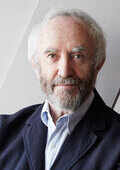


The Two Popes Review: A well-written drama lifted by superb acting

Story: At a key turning point for the Catholic Church, Pope Benedict XVI forms a surprising friendship with the future Pope Francis. Inspired by true events. Review: The Two Popes is a film that tells the story behind the real-life controversial incident of Pope Benedict XVI renouncing his title. The film does so in an atypically light and intimate manner. It opens with Cardinal Joseph Ratzinger (Anthony Hopkins) becoming Pope Benedict XVI and also introduces us to Cardinal Jorge Bergoglio (Jonathan Pryce), his rival, critic and later, successor. The viewer is shown just how different the two are quite clearly by contrasting Benedict’s ambition and conservatism with Bergoglio’s austere lifestyle and reformative stand. The two do not see eye to eye, which is why it is surprising when seven years later, Pope Benedict XVI calls on Cardinal Bergoglio to discuss something of importance. This lays the ground for an unlikely bond that develops into a friendship and drives the film forward. Fernando Meirelles’ direction is steady. In an interesting choice, he shot Bergoglio’s flashback scenes from 1956 not just in black and white but also in the old 4:3 aspect ratio that films of that era used. The rest of the film uses a widescreen aspect ratio, making the contrast in time periods much more evident. But what makes The Two Popes stand out is its writing. Almost every line spoken by the two lead actors can be plucked out from the script, and posted on the Internet as the quote for the day. It’s witty, smart, and at times profound, but never too dramatic. Anthony McCarten, on whose book the film is based and who wrote the screenplay, deserves credit for that. The two lead actors – Hopkins and Pryce – have delivered masterclasses in acting. Hopkins is already regarded as one of the finest actors of our times and he further solidifies that reputation. Pryce brings the talent that has earned him laurels in theatre and delivers arguably his best performance in films. In the scenes when they are together on screen, it is refreshing to see two actors complement, rather than compete with each other. The only criticism one can have of The Two Popes is that like several biopics, the film tends to be kinder to its subjects than history has been. Nobody is perfect, not even popes. The two in question are seen as divisive figures. The film attempts to delve into the faults and weaknesses of the two popes but each time, almost immediately finds a justification and pardons them quickly. The Two Popes’ greatest feat is achieving a delicate balance while giving a light, heartfelt, and occasionally humorous take on grave and serious matters. It may be a film detailing the controversies surrounding the Catholic Church but it also depicts the pope and his successor discussing the Beatles, watching football over beer, and even attempting a tango in the Vatican. Surprisingly, the film pulls it all off quite beautifully. Never do the jokes or banter seem offensive, frivolous or unrealistic. Also, never do the two popes’ views on religion and society get preachy. That balance is what makes the film engaging.
User Reviews
0/1500
Post ReviewTrailer

The Two Pops - Official Trailer

Photos






2 More Photos
Latest Movie Reviews



Hot on the Web
Ravi MohanSakshi AgarwalGuru RandhawaBobby DeolAmmy VirkChanning Tatum QuoteSalman KhanNarendra Modi DietSeema SajdehNeil BhattAly GoniReverse Waterfall MaharashtraPranit MoreArmaan MalikMarie CuriePawan KalyanPM Narendra ModiParis Fashion WeekRubina DilaikKangana RanautFriday OTT ReleasesRavi ShastriIllegal Construction RulesHrithik RoshanAlpha Teaser ComparisonRaveena TandonBharathiraja DeathWelcome To The Jungle TrailerBlast Box Office CollectionHoroscope TodayMalcolm XProject 17AIndian Navy GPS JammerUS Iran ConflictIAF C-295Human Evolving On Tibetan PlateauLargest Islands In The WorldModern Day BrahmastraGoogle Release MosquitoesIndia Nuclear WarheadsNyt ConnectionsCaptions For Instagram Posts
Trending Topics
Latest MoviesBollywood MoviesHollywood MoviesTamil Movies 2026Telugu Movies 2026Malayalam Movies 2026Kannada MoviesMarathi MoviesBengali Movies 2026Top Rated Movies 2026Best Hindi MoviesBest English MoviesBest Telugu MoviesBest Tamil MoviesBest Malayalam MoviesBest Kannada MoviesBest Bengali MoviesUpcoming Hindi MoviesBest Movies Of All TimeBest Hindi Movies of All TimeLatest English MoviesLatest Malayalam MoviesEnglish TV NewsTamil TV NewsTelugu TV NewsMalayalam TV NewsKannada TV NewsMovie ReviewsBhojpuri Cinema NewsGujarati Cinema News
Popular Categories
Viral NewsK Pop NewsWeb Series NewsAnime NewsUpcoming English MoviesUpcoming Tamil MoviesUpcoming Telugu MoviesUpcoming Malayalam MoviesUpcoming Kannada MoviesFashion TipsTravel NewsEntertainment NewsBollywood NewsTollywood NewsKollywood NewsMollywood NewsFood NewsLatest Hindi MoviesLatest Tamil MoviesParenting TipsHome RemediesWeight LossBeauty TipsParenting TipsHindi VideosHindi Video SongsBhojpuri Music VideosLatest Telugu MoviesBhojpuri Music VideoHindi TV News
Latest News
Hazaribag man drowns while fishing in lake"Behen Darr Gayi!": Fans relive ‘Bhagam Bhag’ era after watching Akshay Kumar's 'Bhooth Bangla' trailerMBOSE HSLC result 2026 to release tomorrow: Check details hereIran war risk: JPMorgan CEO Jamie Dimon warns of oil shocks, sticky inflation and higher interest ratesMake your clutch last longer with these easy driving tips“Three-against-one situation”: El Rubius opens up on being “targeted” in MrBeast’s viral $1M challengeBihar BTSC lab assistant notification released for 1091 posts at btsc.bihar.gov.in; apply hereIPL craze costs techie Rs 1.46 lakh in fake RCB vs CSK ticket scamRaising “robot-proof” kids: Why creativity and curiosity matter more than everInside ‘Satguru Sharan’: Exploring Saif Ali Khan and Kareena Kapoor Khan’s Rs 100 crore Bandra homeHow selling Alaska in 1867 was a costly mistake for Russia'Hera Pheri 3 is coming': Paresh Rawal dismisses delay reports and reveals he will 'start shooting soon'US-Iran War: A daring rescue Hollywood blockbuster is on its way. Till then, pick your favourite from these 10 films on bringing someone home against all oddsKolkata team unveils fan mural at Rash Behari Avenue, celebrating city’s first loveHow US spread a lie to rescue a pilot of a jet shot down in IranNetflix unveils ‘VOID’, an AI model that can change a movie plotAI data centers are causing 'stress' not just to tech companies, but also private insurers"Trans women are.....": Clavicular’s viral moment with trans women sparks fresh conversation on internet culture