Peranakan Museum
Peranakan Museum
You're Reading


Synopsis
The word Peranakan actually means ‘locally born’ and is used to refer to descendants born from the intermarriage of Chinese and Indian traders with the local Malay community, resulting in a unique hybrid culture found mostly in Si … Read more
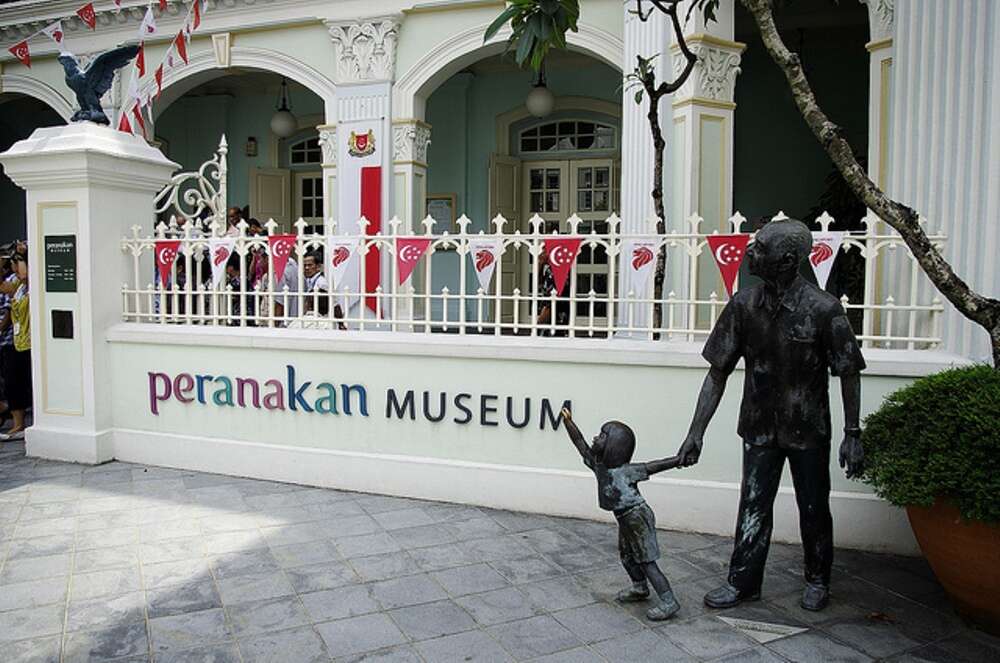
The word Peranakan actually means ‘locally born’ and is used to refer to descendants born from the intermarriage of Chinese and Indian traders with the local Malay community, resulting in a unique hybrid culture found mostly in Singapore and Malaysia. The Peranakan Museum is considered a part of the larger Asian Civilisations Museum, and focuses on presenting the culture and heritage of this unique mixed community. Located on Armenian Road and housed within the old Chinese School Tao Nan building dating back to 1912, the Peranakan museum is home to 10 galleries spread over three floors, with artefacts and exhibitions paying homage to the role Peranakans had to play in Singapore’s history. Even to this day, the community’s distinct visual culture is prevalent in modern Singapore society, where the kebaya (a traditional garment), kasot manek (hand-beaded sandals) and nyona kueh (a multi-coloured snack) are some of the most common examples of Peranakan tradition.

closecomments

Be the first one to review.
We have sent you a verification email. To verify, just follow the link in the message
end of article
Next story
National Museum of Singapore
Visual Stories
10 pretty Indian villages to visit this year-end
8 castles in Germany straight out of a fairy-tale
8 tiger reserves every wildlife enthusiast should visit in India
10 animals that are easily spotted in Ranthambore National Park
How to prepare for a night safari in India?
9 rare animals to spot in the Western Ghats and where to find them


Trending Stories
10 items travellers are not allowed to carry in hand baggage (number 5 might surprise you)
10 underrated wildlife destinations in Asia that are less crowded than popular safari parks
India’s most scenic monsoon road trips: safety tips travellers should know
Visiting the “Cobra Capital of India”; what travellers need to know about the home of the world’s longest venomous snake
From family albums to ‘Instagram reels’: How social media completely changed the way we travel




Comments (0)