
- News
- lifestyle
- travel
- destinations
- From Kedarnath to Kamakhya: 5 iconic hill temples in India to visit at least once in lifetime
From Kedarnath to Kamakhya: 5 iconic hill temples in India to visit at least once in lifetime
From Kedarnath to Kamakhya: 5 iconic hill temples in India to visit at least once in lifetime
The spiritual geography of India has a close association with its mountains and hills. All across the nation, the most respected temples are neither located in crowded cities but on hills and Himalayas covered in dense forests. For thousands of years now, pilgrims have been making their way to these temples by undertaking tough tasks such as climbing to these places and other rigorous activities.
Apart from being places of worshipping God, these hill temples are associated with a lot of other elements such as myths, architecture, tradition, and religion. While some are visited by millions of pilgrims each year, other temples are associated with rituals performed only here in India.
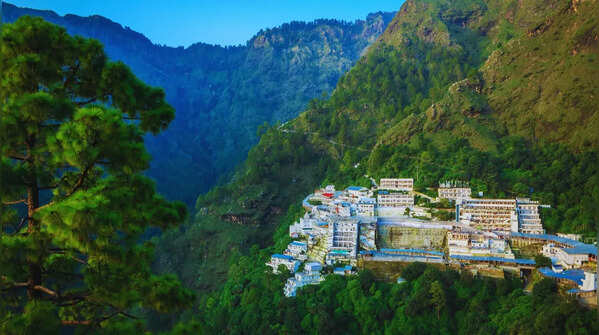
Vaishno Devi Temple, Jammu and Kashmir
The Vaishno Devi Temple is one of the most important pilgrimage destinations in India located among the Trikuta hills of Reasi district in Jammu and Kashmir state. The temple is devoted to Mata Vaishno Devi, who is a representation of the mother goddess. Every year, millions of pilgrims visit the temple. Contrary to regular temples where idols of gods are kept, this shrine has three distinct rocks called pindis, which stand for Mahakali, Mahalakshmi, and Mahasaraswati. As per the lore, Mata Vaishno Devi resided in this cave when running away from a tantric priest Bhairavnath. She then killed him but gave him the blessing that pilgrims will have to worship at the Bhairav Temple also.
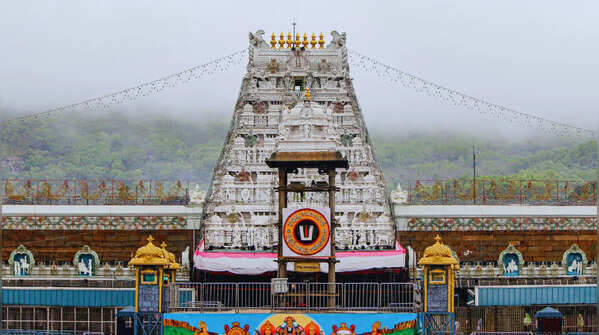
Tirumala Venkateswara Temple, Andhra Pradesh
Nestled among the seven peaks of Seshachalam Hills in Tirupati, the Tirumala Venkateswara Temple is one of the wealthiest temple in the world on account of the amount of donations that flow into it. Devoted to the Hindu deity of Lord Venkateswara, who according to Hindu mythology manifested himself in the Kali Yuga period to help mankind, the Tirumala Venkateswara Temple was founded more than one thousand years ago. Many southern dynasties such as the Pallava, Chola, and Vijayanagara dynasties have enriched it through time.
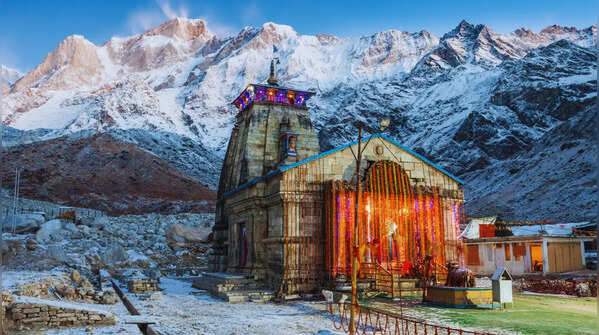
Kedarnath Temple, Uttarakhand
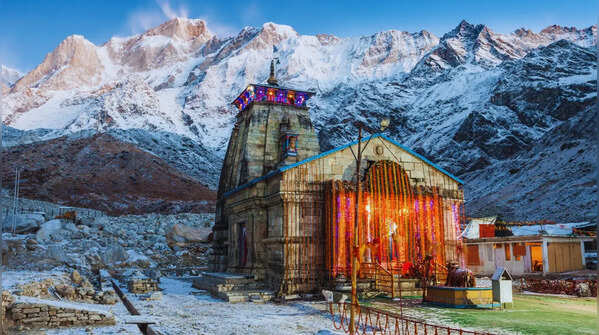
Being located at an elevation of about 3,583 meters above sea level, Kedarnath temple ranks among the highest and holiest Shiva temples in India. Located in the district of Rudraprayag in Uttarakhand, it is one of the holy sites included in Char Dham pilgrimage and Panch Kedar pilgrimage tours. It is believed that Pandavas visited Shiva to seek his forgiveness for their sins committed during the war of Kurukshetra. Shiva, being reluctant to appear before them, took the form of a bull and escaped to hide himself in the ground of Kedarnath temple.
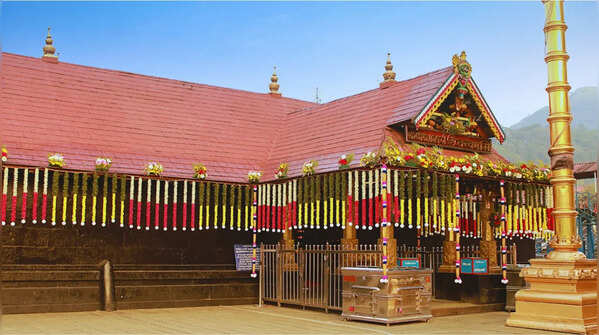
Sabarimala Sree Ayyappa Temple, Kerala
Nestled in the forests of the Western Ghats of Kerala, Sabarimala is one of the largest pilgrimages in the world. The temple is for Lord Ayyappa, who is the son of Shiva and Mohini, an incarnation of Vishnu in female form. Before the start of the pilgrimage, it is required for the pilgrim to observe a period of 41 days of vratham that consists of celibacy, vegetarianism, abstaining from alcohol, and following a disciplined lifestyle. Traditionally, the pilgrim had to undertake the trek through the forests which was followed by the climbing of the eighteen holy steps known as the Pathinettampadi.
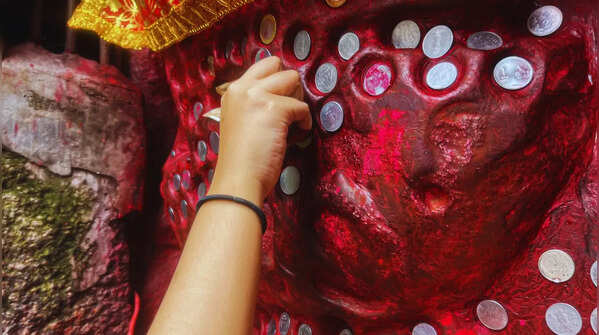
Kamakhya Temple, Assam
Overlooking Guwahati from Nilachal Hill, the Kamakhya Temple is among the most important centres of Shakti worship in India and one of the country's most revered Shakti Peethas. According to Hindu mythology, the temple marks the spot where the womb and genitalia of Goddess Sati fell after Vishnu dismembered her body with the Sudarshana Chakra to end Shiva's grief. Unlike most temples dedicated to goddesses, Kamakhya does not house an idol. Instead, devotees worship a natural rock fissure fed by an underground spring. Kamakhya is closely associated with Tantric traditions and has long been regarded as a major centre of Tantric practice and philosophy. The temple's distinctive beehive-shaped shikhara reflects the architectural style that developed in Assam over centuries.
Featured In lifestyle

MORE FROM ETIMES
life & style