
- News
- lifestyle
- travel
- destinations
- 5 lesser-visited UNESCO World Heritage Sites in India travellers should explore
5 lesser-visited UNESCO World Heritage Sites in India travellers should explore
5 lesser-visited UNESCO World Heritage Sites in India travellers should explore
As per current official data, India is home to 44 UNESCO World Heritage Sites, which is a prestigious number globally. From the forts of Rajasthan to the ancient caves of Ajanta and Ellora and Agra’s very famous Taj Mahal, the list is too good. But beyond the famous sites lies another India, which is dotted with ruins, forgotten temple towns and archaeological marvels that remain surprisingly overlooked in the world of travel. In fact, some of the attractions are already on UNESCO’s Tentative List, while others possess cultural, architectural or historical significance.
Many travellers either rush past them or never realise they exist at all. A look at five forgotten UNESCO sites in India that travellers rarely visit, but absolutely should.
(Canva)
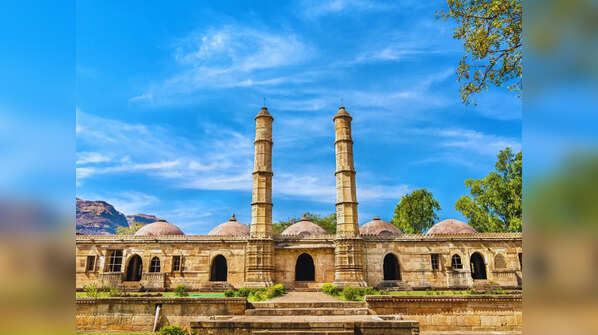
Champaner-Pavagadh Archaeological Park, Gujarat
Champaner-Pavagadh Archaeological Park is one of the least-visited UNESCO World Heritage Sites. The site, situated close to Vadodara in Gujarat, feels strangely forgotten by mainstream travellers. The place is a beautiful combination of medieval Islamic architecture, Hindu temples, stepwells, and sacred hills across a vast archaeological zone. Not many must be aware of the fact that the abandoned city of Champaner served as the capital of Sultan Mahmud Begada for some time.
(Canva)

Great Himalayan National Park, Himachal Pradesh
Great Himalayan National Park is one of the least-visited tiger reserves. It is also among India’s quietest UNESCO natural wonders. Located in Himachal Pradesh’s Kullu region, it is a huge protected landscape home to snow leopards, Himalayan brown bears and blue sheep, among others. Much of the park can only be explored through multi-day treks.
The best months to explore are April to June and September to November.
(Canva)
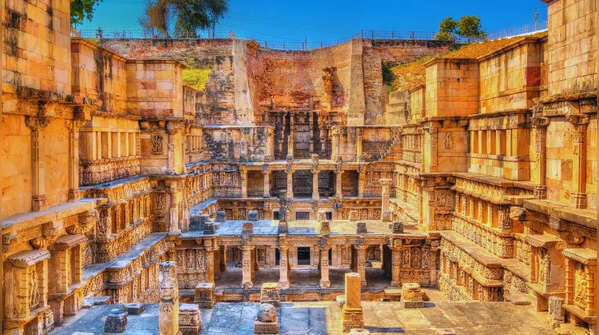
Rani ki vav
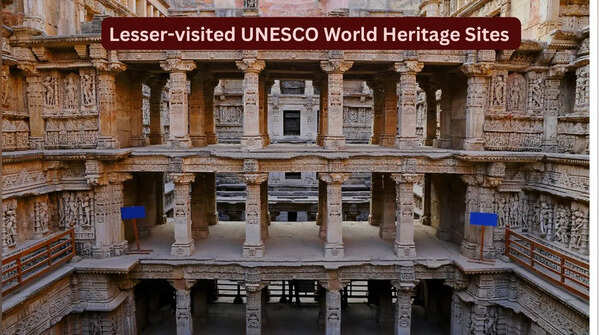
Rani ki Vav in Gujarat is an architectural wonder which is again least visited. This old stepwell was built in the 11th century by Queen Udayamati in memory of King Bhima I. It is described as an inverted temple because of its intricate sculptural detailing. The site was rediscovered only in the 20th century and today, it is among India’s finest examples of architecture.
(Canva)

Bhitarkanika National Park, Odisha
Bhitarkanika often gets overshadowed by Kaziranga and Ranthambore. Bhitarkanika National Park in Odisha is among India’s least explored UNESCO-recognised parks. Though not individually inscribed as a standalone UNESCO World Heritage Site, the region is internationally recognised for biodiversity. But sadly, it gets overlooked by travellers.
(Canva)
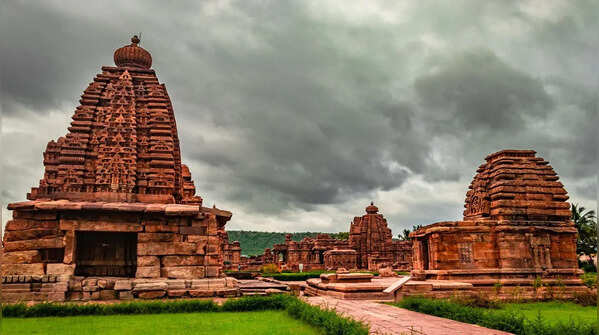
Group of Monuments at Pattadakal, Karnataka
The Group of Monuments at Pattadakal in Karnataka often get overshadowed by nearby Hampi. But it remains India’s one of the most architecturally important yet under-visited UNESCO sites. The monuments were built during the Chalukya dynasty in the 7th and 8th centuries and are set along the banks of the Malaprabha River.
(Canva)
Featured In lifestyle

