Sidoarjo Mud Volcano, Sidoarjo
Sidoarjo Mud Volcano, Sidoarjo
You're Reading


Synopsis
In May of 2006, a drilling accident in Sidoarjo resulted in the formation of a mud volcano, and yes, that is exactly like what the name suggests. Mud has been flowing out ever since, swallowing up roads, houses, trees and everythi … Read more
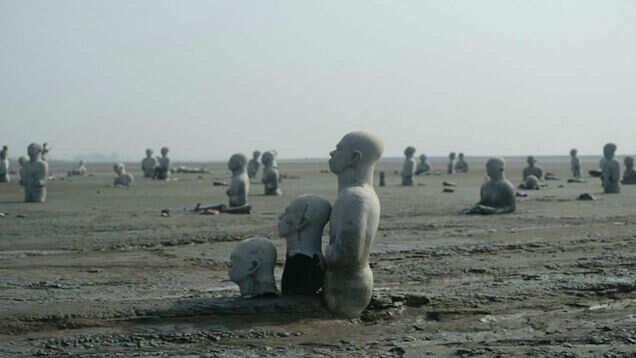
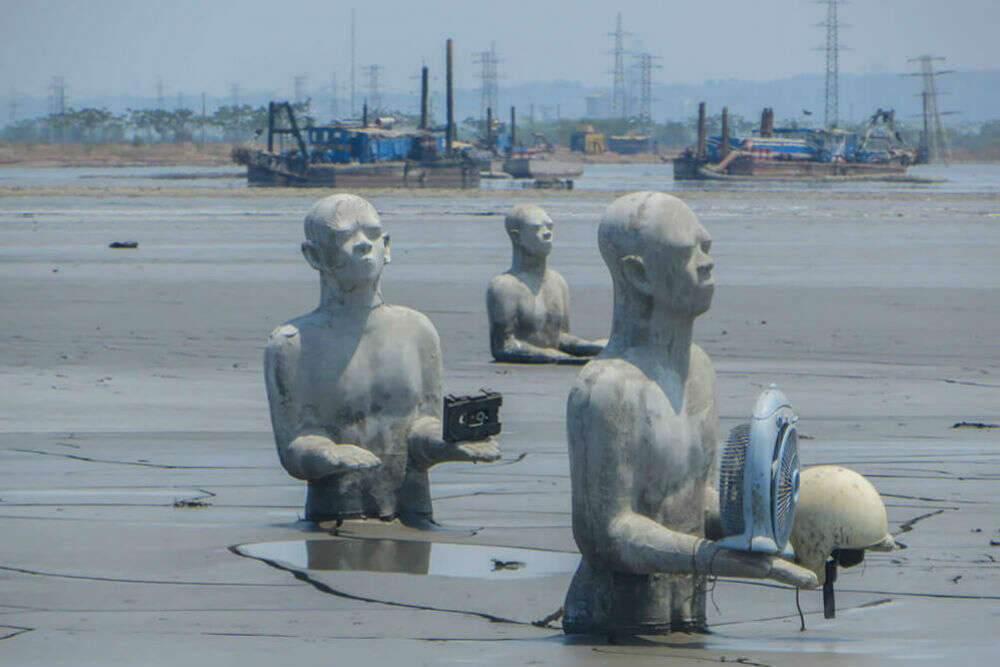 In May of 2006, a drilling accident in Sidoarjo resulted in the formation of a mud volcano, and yes, that is exactly like what the name suggests. Mud has been flowing out ever since, swallowing up roads, houses, trees and everything else in its path. It, really, is quite surreal. Scientists estimate that it could continue erupting for another two to three decades.
As you wander around, you will most likely encounter a local or two offering to be your tour guide around the mudscape for a few rupiahs. This is certainly one case of them needing it more than we do, so go for it.


Sidoarjo is located 25 km south of Surabaya in East Java. Given the unique and one-of-a-kind nature of this site, it is the only “must-visit“ location on this list. The mud volcano is also so obscure that you will not find any signs or tourists. However, the mud flow is large enough to be seen on Google Earth so you won't have any problems spotting it as you drive south on Jalan Raya Malang-Surabaya!

closecomments

Be the first one to review.
We have sent you a verification email. To verify, just follow the link in the message
end of article
Next story
Your complete guide to offbeat Indonesia
Visual Stories
10 pretty Indian villages to visit this year-end

8 castles in Germany straight out of a fairy-tale

8 tiger reserves every wildlife enthusiast should visit in India

10 animals that are easily spotted in Ranthambore National Park
How to prepare for a night safari in India?

9 rare animals to spot in the Western Ghats and where to find them


Trending Stories
5 snake temples in India that attract thousands of devotees and curious travellers every year
Kerala braces for more heavy rainfall as IMD issues yellow alert across several districts; what travellers need to know
10 birds with hilariously perverted names and where travellers can find them
Travellers beware: 5 dirtiest things in a hotel room you didn't know about
This is where the Ganges ends in India and meets the Bay of Bengal — why this place is special



Comments (0)