Exploring the temples of Gokarna
Exploring the temples of Gokarna


Synopsis
If you are a fan of pristine white sand beaches and Indian mythology then you must plan a trip to Gokarna—a coastal temple town in the Uttara Kannada district of the Indian state of Karnataka. The town is considered to be the seat … Read more
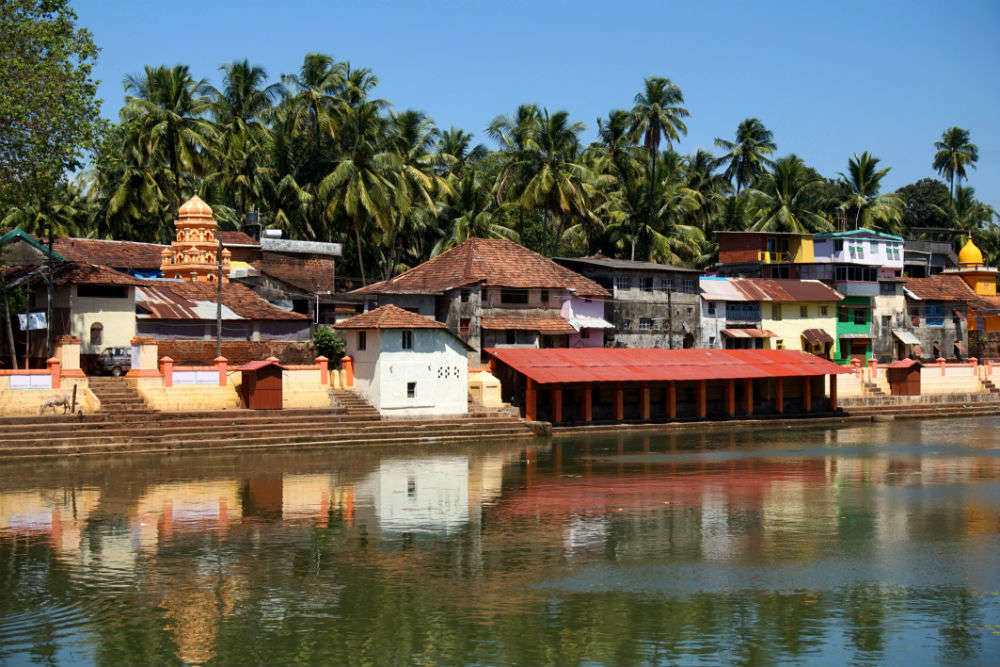
If you are a fan of pristine white sand beaches and Indian mythology then you must plan a trip to Gokarna—a coastal temple town in the Uttara Kannada district of the Indian state of Karnataka. The town is considered to be the seat of Shiva's Pranalinga and is thus similar in stature to Brahma's seat at Pushkar in Rajasthan, which is also a major tourism site in its own. Similar to the Brahma Sarovar in Pushkar, the holy lake of Kotiteertha marks the centre of Gokarna. It is a land of historical and mythological stories that locals would narrate to you. One amongst these is the story of Atmalinga, of Ravana's two failed attempts to install this prized Shiva lingam in Lanka–which led to the establishment of many temples and the emergence of Gokarna as a major centre of penance. A close second is the story of Shatashrunga, the abode of Brahma. Most of the places of religious interest here are within walking distance of each other, and are in some way connected with either the story of Atmalinga or that of Shatashrunga Mountain. Though the temple premises remain open through the day (unless otherwise noted), the sanctorums welcome devotees between 6:00 am to 12:00 noon and 4:00 pm to 7:00 pm. Specific timings for aarti (prayers) and the time to complete a darshanam may vary. In general, the temples linked with the story of Atmalinga are more popular, while the ones associated with that of Shatashrunga will offer a quieter experience.
Some of the temples currently remain out of bounds for international travellers and may also not permit photography. So if you are travelling with friends from overseas, or are trying to capture these deities in your camera, these restrictions are something to bear in mind. Our guide lists the places of importance to Hinduism that you must visit while you’re in Gokarna.

closecomments

Be the first one to review.
We have sent you a verification email. To verify, just follow the link in the message
end of article
Next story
Bheemeshwar
Visual Stories
10 pretty Indian villages to visit this year-end

8 castles in Germany straight out of a fairy-tale

8 tiger reserves every wildlife enthusiast should visit in India

10 animals that are easily spotted in Ranthambore National Park
How to prepare for a night safari in India?

9 rare animals to spot in the Western Ghats and where to find them
Also Read


Trending Stories
Last chance to spot tigers: These Indian national parks are closing for the monsoon season in June
Why this remote Japanese island keeps going viral–meet the island’s most unusual residents
9 stunning places to visit in Lahaul Valley after crossing the Atal Tunnel in Himachal Pradesh
In photos: The unseen corners of Majuli, the world's largest river island
'Dear Guests From India'; why a Swiss hotel's notice shared by Harsh Goenka is sparking a bigger conversation about travel etiquette



Comments (0)