
- News
- Science News
- Earth split captured on camera for the first time: Why it is a breakthrough for earthquake science
Earth split captured on camera for the first time: Why it is a breakthrough for earthquake science
In a historic achievement, scientists have recorded the Earth's surface physically splitting during a powerful earthquake. The event was captured using high-speed cameras and ground sensors. This visual evidence provides an opportunity to study seismic ruptures. It could improve early-warning systems. Researchers analyze fault movement frame by frame. The findings could refine earthquake prediction models.
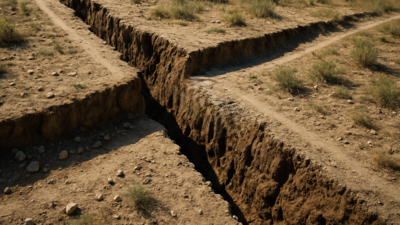
Representative AI Image
How the Earth split was captured
Why this matters for earthquake science
Next steps in the research

About the Author
TOI Science DeskEnd of Article
Follow Us On Social Media
Hot Picks
Top Trending
Explore Every Corner
Across The Globe
India Asia Cup Squad AnnouncementWomen ODI WC Squad AnnouncementICAI CA Admit CardAUS vs SA LiveVanessa BryantLebron JamesMumbai RainsAuston MatthewTravis Hunter WifeLeanna LeneeWWE RAW PreviewCraig BerubeTrump Zelenskyy MeetingSamuel MontembeaultWayne GretzkyCaleb WilliamsSpencer RattlerBihar Jeevika recruitmentChris BoswellMartina NavratilovaShaquille O NealNFL Preseason 2025Stephen Curry WifeBank Holidays AugustPatrick MahomesCody RhodesBattlefield 6Stephanie WhiteTyson BagentConnor McDavid
Hot on the Web
Achyut Potdar Death NewsVitamins For Hair GrowthKidney Disease SymptomsCloves Health BenefitsReverse Fatty LiverTulsi Health BenefitsAbhinav ShuklaBlood Pressure ManagementAR MurugadossLongest International RiverSaswata ChatterjeeLow Value CurrencyLow CholesterolAmeesha PatelKidney Cancer SymptomsArmaan MalikJaanWorst States In AmericaFaissal KhanLiver Disease SymptomsKaun Banega Crorepati 17Monsoon Snake PreventionBlood Pressure ManagementWar 2 Box Office CollectionArchana Puran SinghCoolie Movie ReviewCoolie Box Office CollectionMahavatar Narsimha Box Office CollectionGarlic BenefitsDarshan ThoogudeepaSnakes Prevention TipsColon Cancer SymptomsSanskrit EffectNatural SupplementsHigh Cholesterol SymptomsSide Effects Of Dragon FruitColorectal CancerOral SymptomsReduce Face Fat DietSide Effects Of BananasGinger Tea Side EffectsKidney Damage Symptoms
Trending Topics
Madison BeerAdam SchefterNFL New DealTravis KelceDonald TrumpKelly StaffordMagic JhonsonGabrielle UnionLebron JamesNHL Trade RumorsSuper Bowl Halftime ShowDennis RodmanStephen CurrySavannah JamesPatrick MahomesGrand Theft Auto 5Raheem MorrisAntonio BrownOlivia Paige DunneDelhi Girl RescueMumbai Red AlertOperation SindoorMeerut Army Jawan AssaultedManish SisodiaSurat Phone in WashroomMumbai Travel AdvisoryMumbai RainsPune RainsDelhi RapeAir India Flight NewsParag AgrawalFastag Annual PassSam AltmanGeoffrey HintonSridhar VembuApple iPhone 17Nyt ConnectionsMega Tsunami WarningGithub CeoJamie DimonWordle TodaySteve Jobs
Popular Categories
HeadlinesSports NewsBusiness NewsIndia NewsWorld NewsBollywood NewsHealth+ TipsIndian TV ShowsTechnologyTravelEtimesHealth & FitnessNFLAugust Long Weekend 2025India vs EnglandAstrologyWeather TodayPlatinum Rate TodaySilver Rate TodayGold Rate TodayIs Bank open todayIs Bank Open TomorrowBank Holidays in AugustPublic Holidays in AugustStock Market HolidaysFinancial CalculatorsTechnology NewsInternational SportsPublic HolidaysBank Holidays
Latest News
Daily Lal Kitab Horoscope Today, August 19, 2025: Romance is in the air for these lucky Zodiac Signs todayMoga car chase: Man under influence of drugs rams scooters, creates chaos; arrested after 30-minute dramaJaishankar on 3-day Russia visit: EAM to attend key meets in Moscow from August 19-21; trip amid tension with US'You look fabulous,' says US reporter who had earlier mocked Zelenskyy — here’s how the suited-up Ukrainian President responded; Donald Trump joins the banterAchyut Potdar passes away at 91: Hansal Mehta says it was a 'privilege' to work with him; fans recall his iconic ‘Kehna Kya Chahte Ho’ dialogue from ‘3 Idiots’National Potato Day: The seriously misunderstood carb that might help you in weight loss, here’s howIs moringa powder as effective as moringa leaf and fruit?BIG MISS FOR SOUTH AFRICA! Kagiso Rabada ruled out with ankle injury vs Australia; Kwena Maphaka addedBayley teases Jimmy Uso with a playful jab following his wife Naomi’s pregnancy announcement on RawRohit Sharma beats rain, takes his favourite car for a spin in Mumbai - WATCHTop stocks to buy today: Stock market recommendations for August 19, 2025 - check listAngelina Jolie becomes latest Hollywood star to leave America; actress set to move abroad after end of custody arrangement with Brad PittLeBron James’ agent Rich Paul proposes major change to NIL structure‘Vote chori’ row: Pakistani with fake Voter IDs voting in Telangana since 2018, backed by Congress, BRS and AIMIM alleges BJP’s Madhavi LathaItalian PM Giorgia Meloni greets US aide with 'namaste'; netizens call it 'Modi effect' - WatchEgyptian Daily Horoscope for August 19, 2025: Surprising news await for these zodiac signsStock market today: Nifty50 opens above 24,900; BSE Sensex up over 200 points‘Strong friends who help’: Zelenskyy praises US first lady’s focus on abducted children; reaffirms push for ‘all-for-all’ prisoner swap
Copyright © 2025 Bennett, Coleman & Co. Ltd. All rights reserved. For reprint rights: Times Syndication Service