- News
- lifestyle
- health-fitness
- health-news
- Kidney damage symptoms: 5 body parts that hurt
Trending
Kidney damage symptoms: 5 body parts that hurt
Kidney problems often manifest as pain beyond the organ's location, signaling potential issues. Discomfort in the lower back, abdomen, groin, legs, or chest could indicate kidney stones, infections, or chronic disease. Recognizing these early signs is crucial for timely diagnosis and treatment. Prompt medical attention can prevent further complications and manage kidney-related conditions effectively, ensuring better health outcomes.
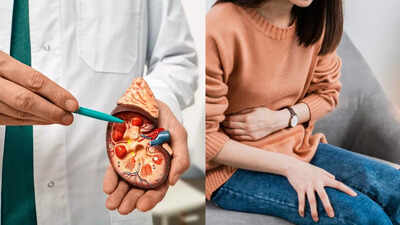
Body aches that could signal kidney damage
Poll
Have you ever experienced unexplained pain that made you concerned about your kidney health?
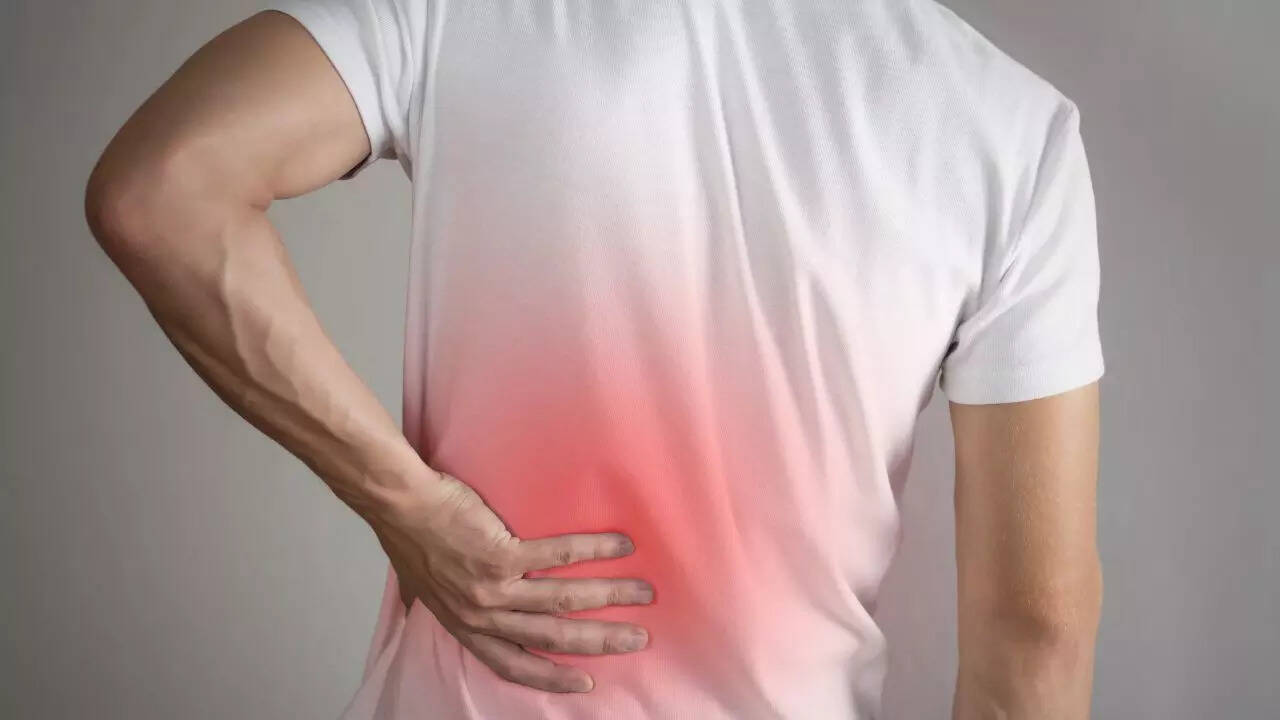
1. Lower back (Flank area)
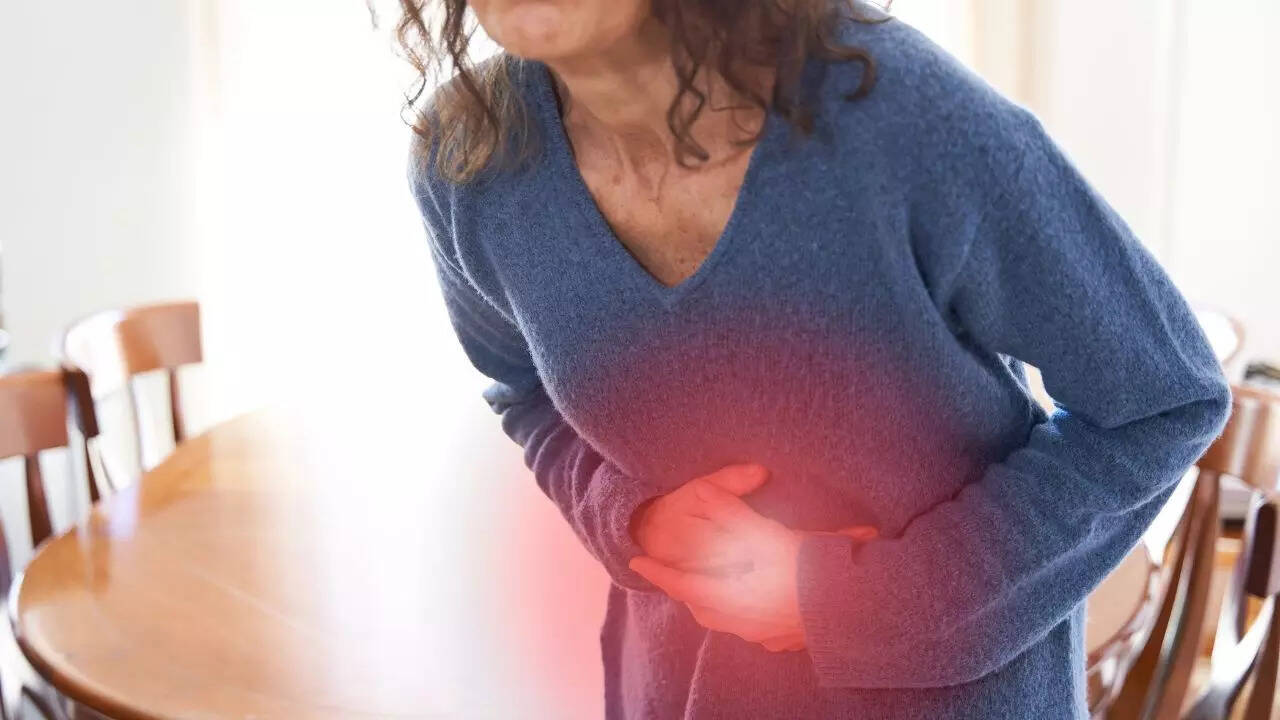
2. Abdomen
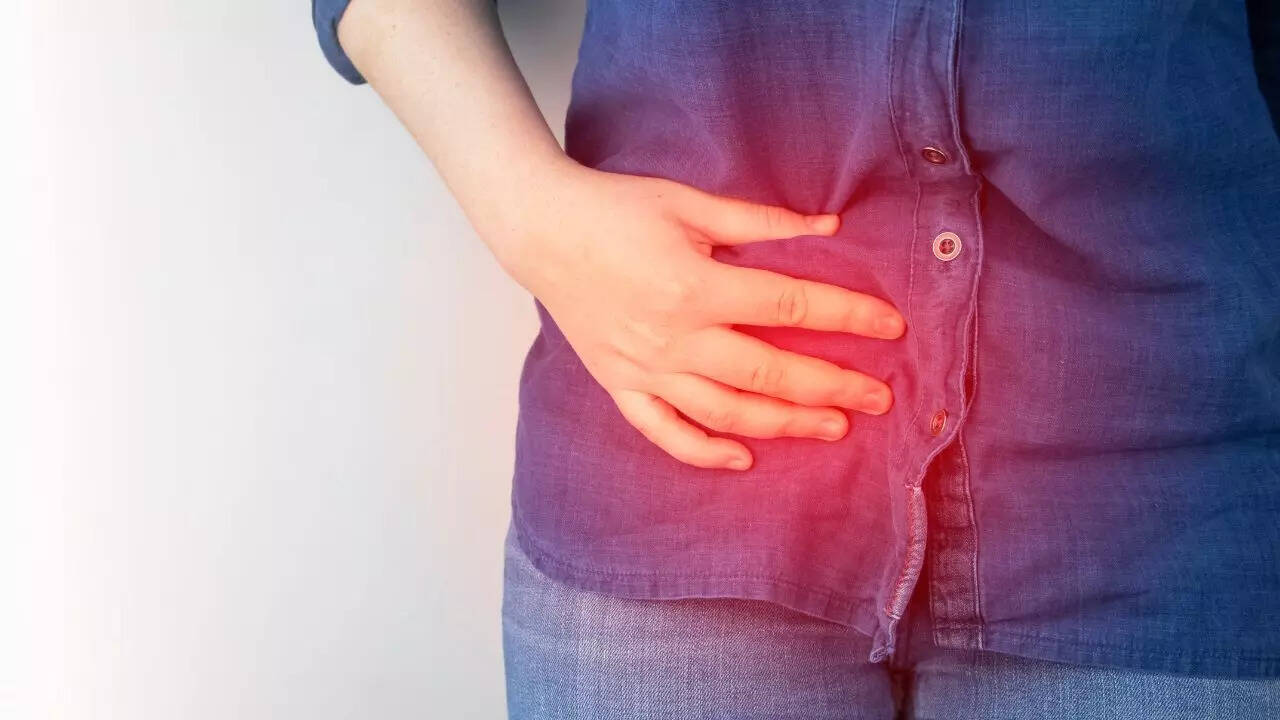
3. Groin and pelvic area
4. Legs, ankles, and feet

5. Chest and rib area

Other warning signs of kidney damage beyond pain
Frequently Asked Questions (FAQs)

About the Author
TOI Lifestyle DeskEnd of Article
Follow Us On Social Media










Tired of too many ads?go ad free now
lifestyle videos
Featured In Lifestyle

Tired of too many ads?go ad free now
MORE FROM ETIMES
life & styleHot on the Web
Vitamins For Hair GrowthCancer RisksReverse Fatty LiverSleeping TipsDhanashree VermaAbhinav ShuklaCookwareAR MurugadossLongest International RiverSunjay KapurLow Value CurrencyCancer Alert In WomenAmeesha PatelPapaya Health RisksAngelina JolieArmaan MalikCancer RiskTulsi Health BenefitsAbhishek BachchanNadiraLiver Disease SymptomsAsit Kumar ModiJessica HinesDanube RiverWar 2 Box Office CollectionGarlic Health BenefitsCoolie Movie ReviewCoolie Box Office CollectionMahavatar Narsimha Box Office CollectionOvercrowded Tourist DestinationsAshwagandha For MenColon Cancer SymptomsHigh Protein FoodsKidney Stone PainHigh Cholesterol SymptomsLakshman BootiColorectal CancerOral SymptomsReduce Face Fat DietSide Effects Of BananasGinger Tea Side EffectsKidney Damage Symptoms
Trending Topics
Latest MoviesBollywood MoviesHollywood MoviesTamil Movies 2025Telugu Movies 2025Malayalam Movies 2025Kannada Movies 2025Marathi Movies 2025Bengali Movies 2025Top Rated Movies 2025Best Hindi MoviesBest English MoviesBest Telugu MoviesBest Tamil MoviesBest Malayalam MoviesBest Kannada MoviesBest Bengali MoviesUpcoming Hindi MoviesBest Movies Of All TimeBest Hindi Movies of All TimeLatest English MoviesLatest Malayalam MoviesEnglish TV NewsTamil TV NewsTelugu TV NewsMalayalam TV NewsKannada TV NewsMovie ReviewsBhojpuri Cinema NewsGujarati Cinema News
Popular Categories
Viral NewsK Pop NewsWeb Series NewsAnime NewsUpcoming English MoviesUpcoming Tamil MoviesUpcoming Telugu MoviesUpcoming Malayalam MoviesUpcoming Kannada MoviesFashion TipsTravel NewsEntertainment NewsBollywood NewsTollywood NewsKollywood NewsMollywood NewsFood NewsLatest Hindi MoviesLatest Tamil MoviesParenting TipsHome RemediesWeight LossBeauty TipsParenting TipsHindi VideosHindi Video SongsBhojpuri Music VideosLatest Telugu MoviesBhojpuri Music VideoHindi TV News
Latest News
'Successful strikes, not Mr Trump': Shashi Tharoor rebuts US President's mediation claim; puts onus on Pakistan for peaceGood stress and longevity: Understanding stress hormesis (simple everyday hacks to add years to your life)Dhanashree Verma takes subtle dig at ex-husband Yuzvendra Chahal, calls ‘podcasts’ her biggest fear: ‘Pata nahi kaun…kya bol de’Florida: Inmate executed for 1982 murder as victim’s husband looks on; state records 10th execution this yearBPSC TRE result 2025 released for NIOS DElEd candidates at bpsc.bihar.gov.in: Direct link to download subject-wise merit list here'We're going to find out': Donald Trump says Putin 'may not want a deal'; Moscow plays down summit talk with ZelenskyyAngel Reese’s explosive WNBA return earns Player of the Game in Chicago Sky’s loss to Seattle StormWatch - Ram Charan spotted barefoot at Hyderabad Airport: 'Peddi' actor holds daughter Klin Kaara while heading outMandu Ki Imli for hair: How to use Baobab oil for hair growthAsia Cup 2025: Sunil Gavaskar makes a big prediction about Shubman Gill - 'He could be leading...'4 tips to make the 9-5 job healthier, according to a top US cardiac surgeonLove Horoscope Today, August 20, 2025: What the stars say about your love lifeDarshana Rajendran says she faced 'Disgusting' comments post 'Hridayam' - 'They said I didn’t fit as Pranav Mohanlal’s heroine'; read moreTamar Braxton reveals 'she almost died' 2 days ago: Everything the "Let Me Know" singer shared about her serious accident'America we are BACK!’: White House starts TikTok account despite legal uncertainty; Trump posts first videoPutin-Zelenskyy meet agreed: White House announces Putin ready for bilateral meet; trilateral talks an option 'if necessary''Imran Khan wasn't talented ... used to shout at us': Wasim Akram spills the beans - WATCHKaran Kundrra ‘photo verified’ dating app profile reportedly goes viral amid relationship with Tejasswi Prakash; netizens call it a ‘fake account’