
- News
- Sports News
- When The Going Gets Turf
Trending
This story is from July 14, 2012
When The Going Gets Turf
Hockey faces a new ground reality when the Olympics get going in London from July 27.
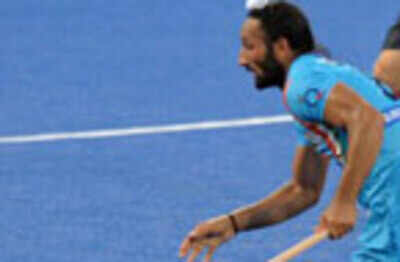
Hockey faces a new ground reality when the Olympics get going in London from July 27.
The blue turf, a distinctive and attractive feature at the Riverbank Arena where the matches will be played, hasn’t been without comment or controversy.
It appears that adjusting to the colour has been an issue with players asking for adequate practice on the surface which has also warranted the use of a yellow ball — all within the ambit of TV coverage which, promoters claim, has improved by leaps and bounds because of the new colour combo.

It’s just the colour this time. Thirty-six years ago it was the surface itself. The artificial surface made its advent at the 1976 Montreal Olympics, changing the face of the game for all time.
And just to think, it was a quirk that brought in that change. Jittery Olympic organizers weren’t confident of a proper surface being prepared in the wake of severe Canadian winters and took recourse to American Football’s innovative artificial pitches. A quickly arranged exhibition three years before the Games, with the then FIH president Rene Frank an enthusiastic spectator, solved the problem. Frank decided then and there that this was to be the pitch of the future and Montreal hosted a memorable tournament.
For the record, New Zealand came from nowhere to win the gold medal, shocking Australia 1-0 in the final. Pakistan finished with the bronze and India disappeared from the podium, finishing lowly seventh.
Pitches have evolved since the first AstroTurf brand was used. From little more than a carpet that peeled off skin from many a sliding tackler, manufacturers now present near grass-surfaces (especially for soccer). The hockey world, though, is still divided about whether plastic pitches are a curse or a blessing. Europe, especially the Netherlands and Germany with their hundreds of pitches, revels on the surface going by results at major competitions. India and Pakistan, however, bemoan the resultant adverse change in fortunes — not least the dwindling number of children taking to the sport for want of an artificial surface in the neighbourhood.
End of Article
FOLLOW US ON SOCIAL MEDIA






Photostories

Top Sports News
TOP TRENDING
Popular Categories
Hot on the Web
Top Trends
Trending Topics
Diwali WishesDhanteras 2024Fake PaneerKarwa Chauth WishesSomy AliVicky Vidya Ka Woh Wala Video CollectionKarwa Chauth 2024Akash AmbaniAvinash MishraBigg Boss 18Kaun Banega Crorepati 16Shraddha KapoorVettaiyan CollectionBougainvillea Movie CollectionJuhi ChawlaLiam PayneTop Load Washing MachinesBest Premium LaptopsIntel LayoffsWordle Answer
Living and entertainment
Latest News
Standing desks: The new health risk nobody saw comingI’m young and want to understand failure: Siddhant ChaturvediMoody's assigns first-time Baa3 ratings to Bajaj FinanceUBT alleges MCC violation, files plaint with ECCan a dash of cinnamon in your coffee speed up belly fat loss?Giriraj Singh kicks off 'Hindu Swabhiman Yatra' from Bihar's BhagalpurVijay Varma reveals his negative roles always made women feel intimidated: 'It hurt when Sunidhi Chauhan said she was scared of me'BSF personnel open fire after suspected drone movement in Fazilka.Fiancée Ronika Stone hints at wedding plans with Jordan Love as she turns 'Bride' before Packers vs. Texans on SNFBLACKPINK’s Lisa opens up about the challenges of maintaining privacyOne bomb hoax can cost an airline over Rs 3 croreOptical illusion personality test: Are you diplomatic or brutally honest?Stop music by 10pm and verify crew, cruise owners toldPakistan on-campus rape: Violent protests in Lahore; properties damaged, one killedKelce Brothers Take Aim at Blake Lively’s Athletic Abilities During Their Review of The Sisterhood of the Traveling PantsTamil Nadu toddler dies as TV set falls on himCanada tracks Indian media, journos and submits report to foreign interference inquiryVacate Maria Loop Road or face legal action, GCC tells fish vendors
Copyright © 2024 Bennett, Coleman & Co. Ltd. All rights reserved. For reprint rights: Times Syndication Service