- News
- lifestyle
- travel
- destinations
- One City. Five Iconic Spots. Endless Emotions—Welcome to Amritsar!
Trending
One City. Five Iconic Spots. Endless Emotions—Welcome to Amritsar!
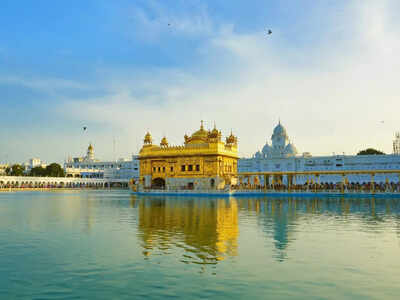
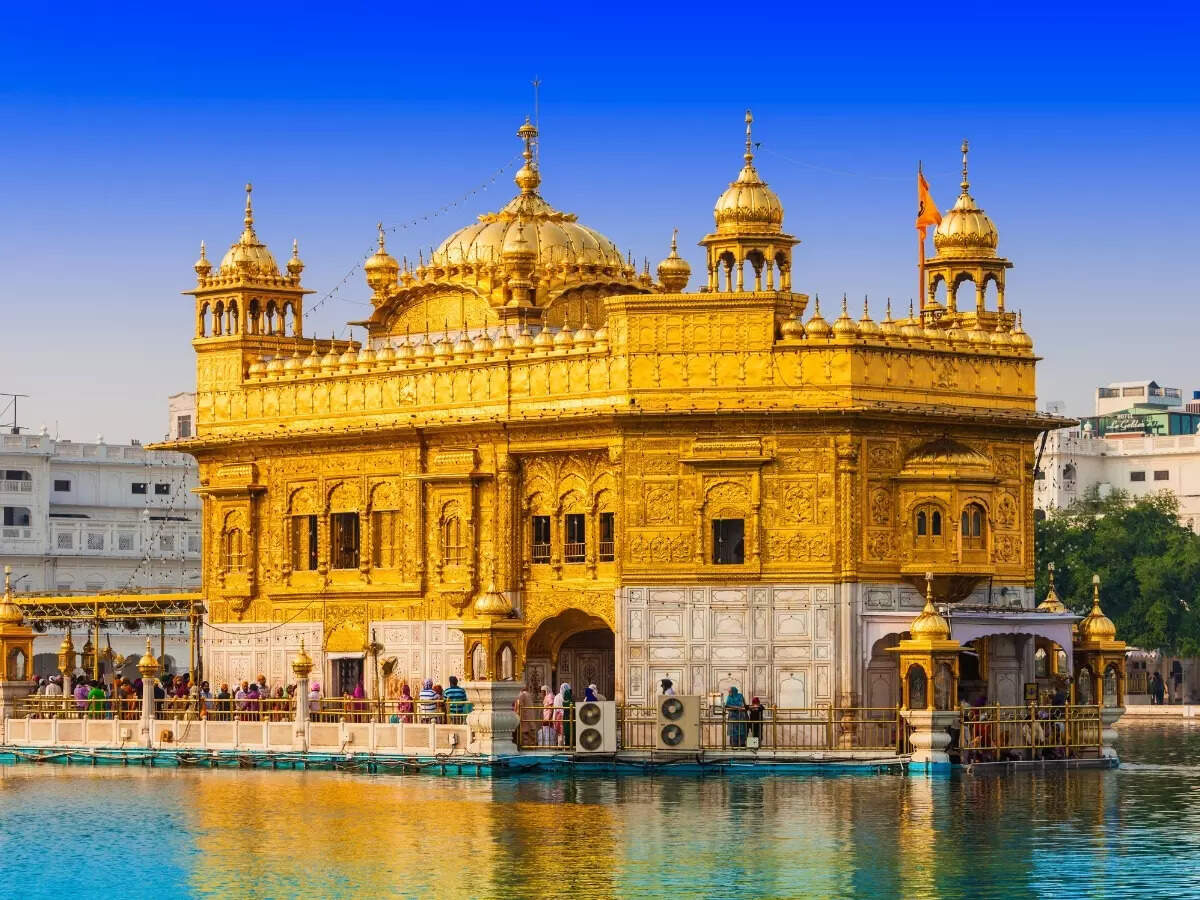
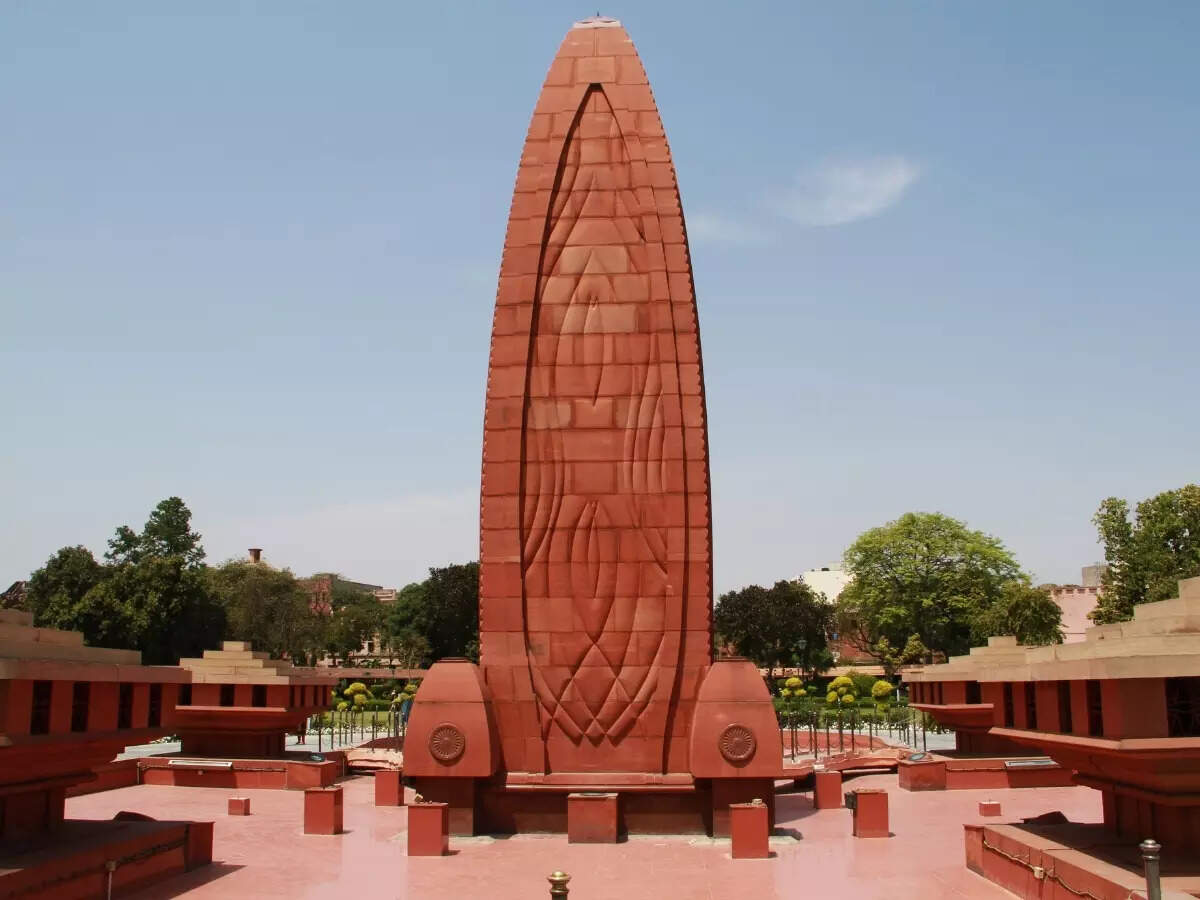
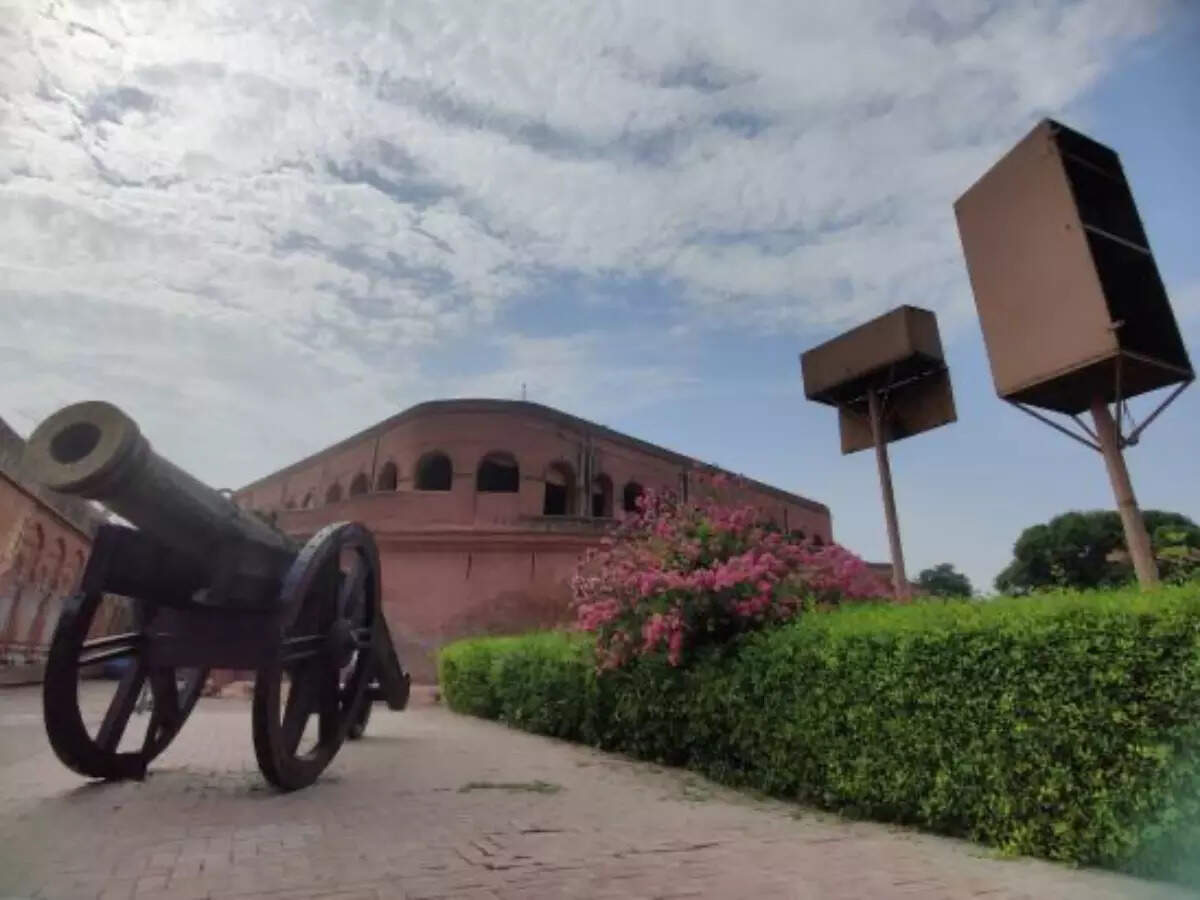
Amritsar, meaning 'pool of nectar', is a cultural hub with the Golden Temple. The Golden Temple is a major attraction. Jallianwala Bagh marks a tragic historical event. The Partition Museum preserves stories of the Partition. Gobindgarh Fort showcases Punjab's history and culture.
Get the latest lifestyle updates on Times of India, along with Friendship Day wishes, messages and quotes !

About the Author
TOI Lifestyle DeskEnd of Article
Follow Us On Social Media










Photostories
Tired of too many ads?go ad free now
lifestyle videos
Featured In Lifestyle

Tired of too many ads?go ad free now
MORE FROM ETIMES
life & styleHot on the Web
Kidney HealthCoconut WaterCoolie Trailer OutCoolie Trailer X ReviewFriendship Day WishesNational Film Awards WinnersSister's Day WishesYuzvendra ChahalDementiaBruce WillisKingdom ReviewKingdom Box Office CollectionChrissy MetzDiabetes SymptomsCancerBeetroot Side EffectsAhaan PandayKingdom Movie ReviewNick JonasDhadak 2 Box Office CollectionSaiyaara Box Office CollectionSon of Sardaar 2 Box Office CollectionHari Hara Veera Mallu Movie ReviewMaareesan Movie ReviewDhadak 2 Movie ReviewSon of Sardaar 2 Movie ReviewThalaivan Thalaivii Movie ReviewVitamin DCancer SymptomsSaiyaara Movie ReviewBaby NamesMicrosoft WarningGallbladder StonesJoe BidenUnconventional Romance AnimeCoconut WaterSolar EclipseGum DiseasesAditya GuptaBaba Vanga PredictionChronic InflammationMira Murati
Trending Topics
Latest MoviesBollywood MoviesHollywood MoviesTamil Movies 2025Telugu Movies 2025Malayalam Movies 2025Kannada Movies 2025Marathi Movies 2025Bengali Movies 2025Top Rated Movies 2025Best Hindi MoviesBest English MoviesBest Telugu MoviesBest Tamil MoviesBest Malayalam MoviesBest Kannada MoviesBest Bengali MoviesUpcoming Hindi MoviesBest Movies Of All TimeBest Hindi Movies of All TimeLatest English MoviesLatest Malayalam MoviesEnglish TV NewsTamil TV NewsTelugu TV NewsMalayalam TV NewsKannada TV NewsMovie ReviewsBhojpuri Cinema NewsGujarati Cinema News
Popular Categories
Viral NewsK Pop NewsWeb Series NewsAnime NewsUpcoming English MoviesUpcoming Tamil MoviesUpcoming Telugu MoviesUpcoming Malayalam MoviesUpcoming Kannada MoviesFashion TipsTravel NewsEntertainment NewsBollywood NewsTollywood NewsKollywood NewsMollywood NewsFood NewsLatest Hindi MoviesLatest Tamil MoviesParenting TipsHome RemediesWeight LossBeauty TipsParenting TipsHindi VideosHindi Video SongsBhojpuri Music VideosLatest Telugu MoviesBhojpuri Music VideoHindi TV News
Latest News
National Sister’s Day 2025: Top 50 wishes, messages, and quotes to share with your sisterNational Awards Jury member Pradeep Nair says he opposed to 'The Kerala Story', calling it 'propaganda film': 'Others argued it's a relevant social issue'IND vs ENG 5th Test: 'Tested courage and concentration' – Sachin Tendulkar lauds Yashasvi Jaiswal’s century, Akash Deep’s grit at The OvalSagittarius, Weekly Horoscope, August 03 to August 09, 2025: Your confidence grows as you gain recognition for your effortsConnor McDavid’s wife Lauren Kyle shares inside glimpse at Celeste Desjardins before Leon Draisaitl’s weddingShe's pink, has scuffs on face & eats popcorn chicken: Labubu doll goes missing in US city; woman offers cash & a poem'Must remain alert': PM Modi's 'Swadeshi' appeal for Indians; days after Trump's 25% tariffMahindra-SML deal: M&M acquires 58.96% in SML Isuzu for Rs 555 crore, renames it SML MahindraIND vs ENG 5th Test: Akash Deep etches his name in history; joins elite club of Imran Khan and Shane WarnePiloo Vidyarthi breaks silence on her decision to retain ex-husband Ashish Vidyarthi's surname, opens up on his current wife Rupali Barua: 'The Indian system is complicated''You have been gravely misled by Asim Munir': Baloch leader's open letter to Trump; oil reserves not in Pakistan'An attempt to implicate leaders of Hindutva': Eknath Shinde backs Pragya Thakur; slams Rahul Gandhi for speaking Pakistan's languageKab Banoge Crorepati? In how many years can you get Rs 1 crore with Rs 25,000 monthly investment - explained‘If irresponsibility has a face’: Sitharaman slams Rahul over Arun Jaitley remarks; calls them ‘despicable’Katie Ledecky makes history with stunning comeback win over Summer McIntosh in 800m freestyleNew laws in Texas are reshaping student life: Here’s how it will impact the new school yearScorpio, Weekly Horoscope, August 03 to August 09, 2025: Relationships are a focal pointCompetitive windows: Florida Panthers and Dallas Stars set the pace as goaltending remains a problem for others