- News
- lifestyle
- travel
- destinations
- No crowds, no chaos: This remote Himalayan valley in Uttarkhand feels frozen in time
No crowds, no chaos: This remote Himalayan valley in Uttarkhand feels frozen in time
No crowds, no chaos: This remote Himalayan valley in Uttarkhand feels frozen in time
While Nainital, Mussoorie, and Rishikesh continue to pull in thousands of visitors every year, a few precious pockets of Uttarakhand still have low rates of footfall. Hidden in the extreme eastern edges, right around the borders of Tibet and Nepal is the Darma Valley. It is a secluded Himalayan haven where age-old traditions and still alive.
Surrounded by mountain peaks and glacial waters, this valley gives travellers an opportunity to witness the most unspoilt region of Himalayas. The place has small narrow trails, no network, and natural wold where everything feels perfect.
Image Credit: Canva
Where is Darma Valley?
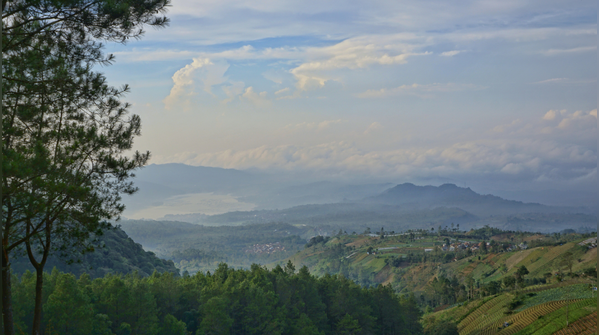
You'll find Darma Valley in the Kumaon region's Pithoragarh district. The valley itself runs parallel to the Darma River, often referred to locally as the Darma Yankti and is wedged right between the international boundaries of Tibet (China) and Nepal.
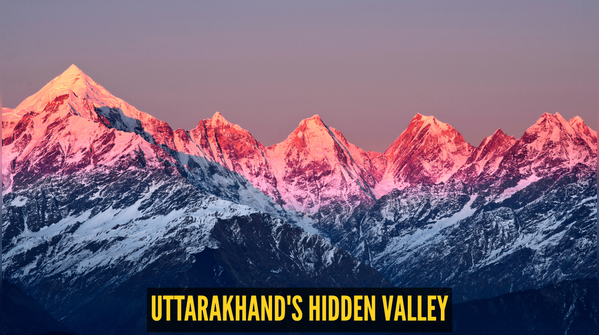
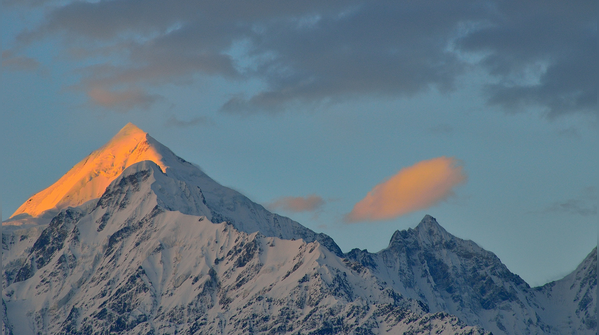
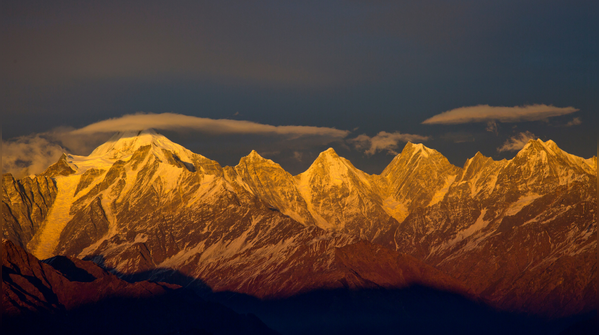
The sheer scale of the landscape is dictated by the awe-inspiring Panchachuli massif, a cluster of five snow-capped mountains that easily touches the 6,000-metre mark. If you believe the local folklore, these towering peaks actually symbolise the cooking hearths used by the five Pandava brothers of the Mahabharata, just before they set off on their ultimate ascent to heaven.
In stark contrast to so many Himalayan hotspots that have morphed into bustling tourist traps, Darma Valley has largely flown under the radar. As a result, it remains one of the most unspoiled stretches of scenery you can find in the Indian Himalayas.
Image Credit: Canva
What makes Darma Valley unique?
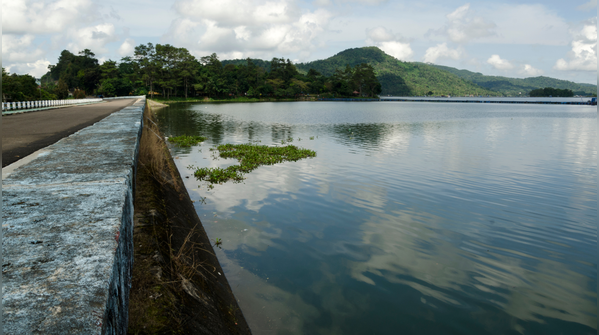
Sprawling glaciers, high-altitude alpine meadows, stone settlements, and a huge mountainous backdrop all combine to create a setting that feels worlds away from modern life.
It’s also the traditional homeland of the Rung community, an indigenous community holding profound historical and cultural roots here. For hundreds of years, the Rung functioned as skilled traders, navigating treacherous high-altitude mountain passes to ferry goods into Tibet. Even though these historic trading routes were firmly shut down following the events of 1962, the locals have done a remarkable job of keeping their distinct culture, lifestyle, and customs intact.
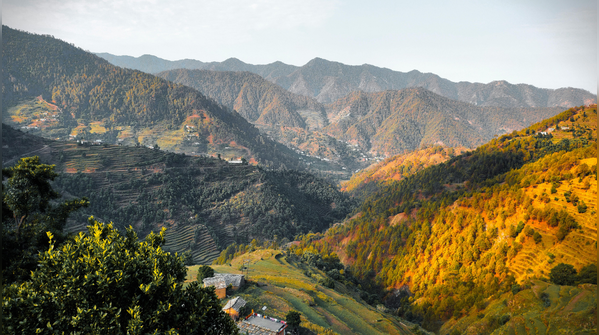
Taking a stroll through settlements like Nagling, Baling, Dugtu, and Dantu genuinely feels like slipping back in time. You’ll see classic dwellings constructed from timber and stone, framed beautifully by those snowy peaks, while centuries-old daily rituals carry on uninterrupted.
Thick forests, alpine pastures, and high-elevation habitats are home to incredible wildlife, including Himalayan black bears, musk deer, blue sheep, and, if you are incredibly lucky, the famously elusive snow leopard.
Image Credit: Canva
What can travellers do in Darma Valley?
Witness the Panchachuli peaks up close: A massive incentive for anyone making the trek out here is the chance to stare up at the Panchachuli mountains right from their base, rather than squinting at them from miles away. These five summits touch the skyline and looks extremely unrealistic.
Trek to Panchachuli Base Camp For adventure enthusiasts Panchachuli Base Camp trek is easily one of the most rewarding walking routes. The path weaves its way through unbelievably pretty villages, high meadows, and stark glacial terrain, finally depositing you right at the foot of the imposing massif. Along the way, hikers are treated to spectacular views of sprawling glaciers, ancient moraines, and the very birthplace of the Dhauliganga River.
Experience local culture and cuisine If you're fascinated by culture, Darma Valley will not disappoint. Classic, hearty meals built around buckwheat, regional grains, and seasonal produce are still a massive part of the daily routine here. If you time it right, you might even stumble upon vibrant local festivals or deeply held religious ceremonies that the community still celebrates with massive enthusiasm.
Image Credit: Canva
Best time to visit
If you're planning a trip, aim for either the May to June window, or later in the year between mid-September and October.
During those pre-monsoon spring months, the whole valley bursts into lush green, with melting snow pumping life into the rivers and waterfalls. Once the monsoon washes through, the autumn skies clear up beautifully, gifting visitors arguably the sharpest, most spectacular views of the Panchachuli range.
Image Credit: Canva
How to reach Darma Valley
The bustling town of Dharchula acts as your main jumping-off point for the valley.
To get there, you can catch a train into Kathgodam and cover the rest of the distance by road. Alternatively, you could grab a flight into Naini Saini Airport over in Pithoragarh, before driving onwards to Dharchula. Once you leave Dharchula behind, the journey winds upwards past Tawaghat and Sobla, eventually hitting the valley's higher settlements.
Be warned, the road past Dharchula gets seriously rugged and demanding, so you’ll absolutely want to use a high-clearance vehicle.
Important Note: Visitors must remember that an Inner Line Permit is required to cross into Darma Valley, simply because it sits so close to sensitive international borders. Indian nationals can easily sort out this paperwork right in Dharchula by submitting some valid ID and the necessary application forms.
Image Credit: Canva
A journey into Uttarakhand's last great wilderness
Darma Valley isn’t built for those chasing five-star luxury, packed cafés, or busy markets. Instead, it serves up something infinitely rarer—the genuine privilege of standing in a landscape that modern tourism hasn't managed to alter.
From those towering Panchachuli peaks and historic Rung settlements to the remote trails and spotless alpine scenery, this valley captures the absolute spirit of the Himalayas in its purest form. For anyone willing to venture completely off Uttarakhand's familiar tourist map, this hidden frontier guarantees a truly unforgettable journey into one of India’s most remarkable mountain regions.
Image Credit: Canva
Featured In lifestyle

MORE FROM ETIMES
life & style