
- News
- lifestyle
- home-garden
- Leaves turning chalky white: Here’s the reason behind it and how to fix it
Leaves turning chalky white: Here’s the reason behind it and how to fix it
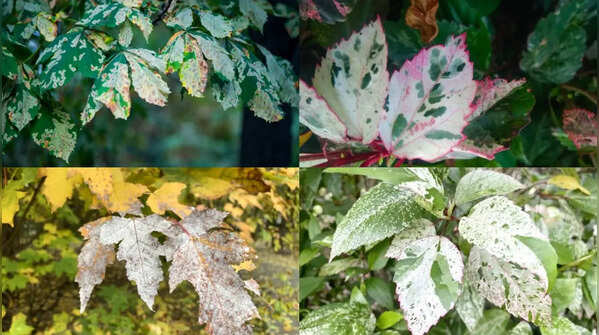
Leaves turning chalky white: Here’s the reason behind it and how to fix it
It is common for gardeners to worry about leaves that have started to acquire a white, chalky, or powdery colour. People believe that such symptoms occur due to dust or sunburns, but in reality, it is an indicator of plant problems that should not be neglected. Such problems include fungal infections that are contagious and lead to the weakening of the whole plant, its slow growth, and even death.
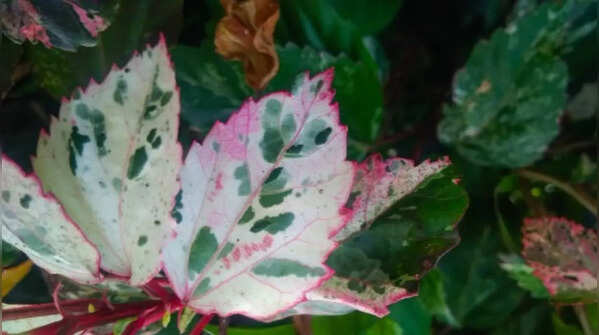
Powdery mildew – The most common cause
One of the most common causes behind the white colouration of plants is a fungal infection called mildew. It is a disease that manifests itself in the form of white-gray powder on leaf, stem, and bud surfaces. Powdery mildew usually develops in hot, dry climate conditions without enough air circulation around leaves. Initially, it may appear only as spots, but later covers the entire leaf surface.
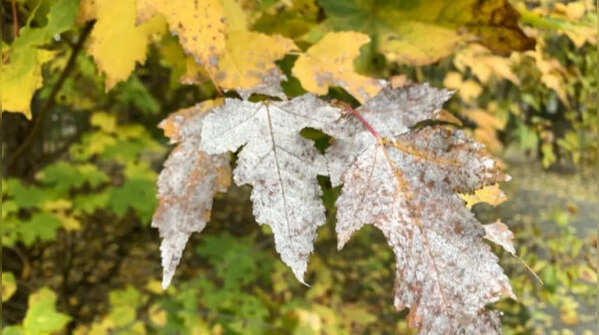
Poor air circulation around plants
Environmental conditions that affect chalky white leaves include a lack of air circulation around the leaves. In case there is no enough free space between plants, excessive humidity is formed, which contributes to the growth of fungi and mold. Plant owners should ensure a good distance between bushes and prune branches to increase air circulation.
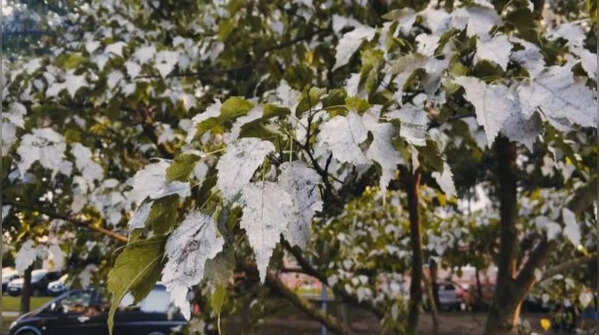
Overhead watering mistakes
Watering methods used by gardeners play a role in the formation of the problem. When people pour water over the tops of plants, moisture stays on leaves throughout the day, contributing to the development of fungi. Experts recommend using drip irrigation systems or watering plants in the morning from the roots to avoid moisture accumulation.
Nutrient imbalance in soil
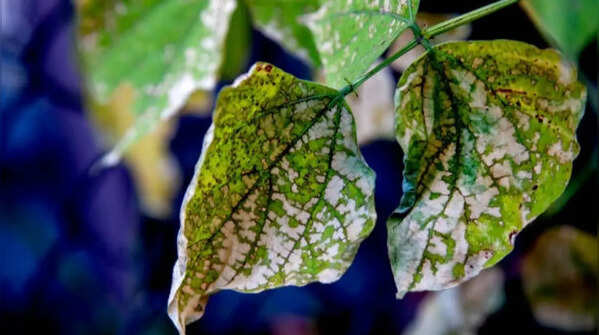
Sometimes the chalky white colour of the leaves is related to the deficiency of nutrients. In case there is a lack of necessary elements such as magnesium or nitrogen, plant leaves start to look pale. Organic compost should be used to balance the mineral content of soil and prevent the development of such symptoms in the future.
Excessive sunlight and heat stress
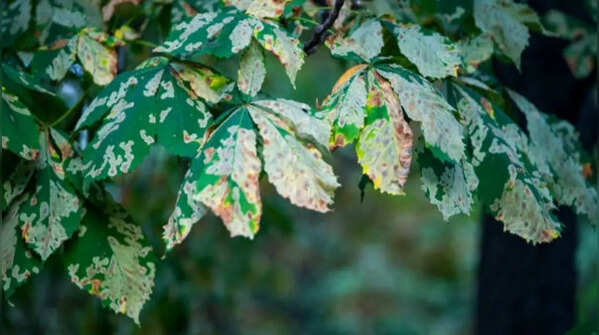
Some plants have problems when exposed to direct sunlight for extended periods of time. Such plants cannot accumulate enough chlorophyll under heat stress. As a result, their leaves lose their natural green colour and turn white. Such plants should be relocated and covered with protective shades during the hottest part of the day.
How to treat and prevent the problem
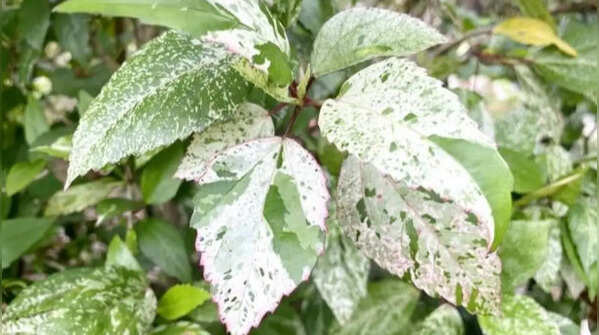
Treatment of such symptoms requires immediate measures aimed at preventing the spread of infection. Gardeners need to remove affected leaves, apply fungicides to eliminate fungi, and ensure proper watering and nutrient levels. Proper care will prevent similar problems in the future and ensure good plant growth.
Featured In lifestyle

MORE FROM ETIMES
life & style