
- News
- lifestyle
- home-garden
- Heatwave intensifying every year: 6 effective home cooling elements that help reduce indoor heat without heavy AC use
Heatwave intensifying every year: 6 effective home cooling elements that help reduce indoor heat without heavy AC use
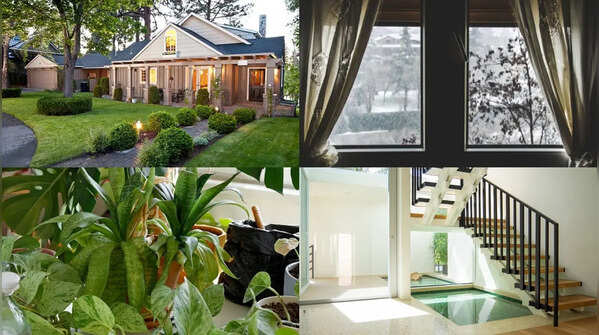
Heatwave intensifying every year: 6 effective home cooling elements that help reduce indoor heat without heavy AC use
In view of the rise in global temperature and yearly heat waves, the maintenance of a cooler indoor environment has turned from a luxury to a necessity. According to experts, indoor heat exposure has negative impacts on people's health, sleep, and energy consumption. Although air conditioners continue to be used widely, natural and architectural approaches are gaining popularity, and a number of solutions exist that can keep homes cooler.
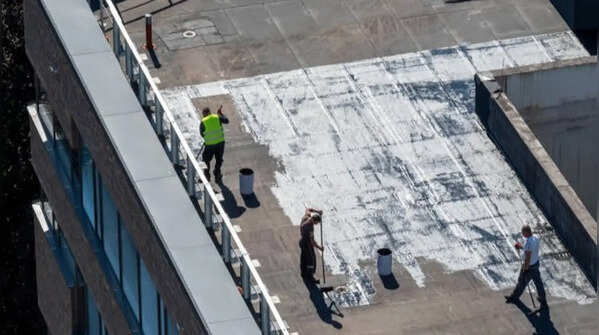
Heat-reflective roof coating
One of the most efficient ways of minimising indoor heat is the application of heat-reflective roof coating. Heat-reflective coatings ensure the reflection of solar radiation from the roof instead of absorbing it, thereby reducing indoor temperature. These coatings prevent heat transfer from roofs, thus helping to create cooler homes. In particular, architects suggest using lighter colourings or reflective materials that can decrease energy consumption in houses and reduce the usage of air conditioners.
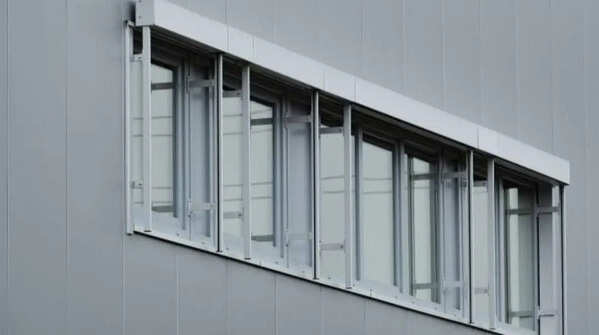
Efficient ventilation and cross-breezing
Efficient ventilation of rooms plays an important part in cooling indoor environments. In order to achieve this goal, architects suggest designing homes with windows located on opposite sides. It ensures better ventilation and helps air flows pass through houses, removing hot air. Additional ventilation of houses can be ensured by using ceiling vents and other ventilation openings.
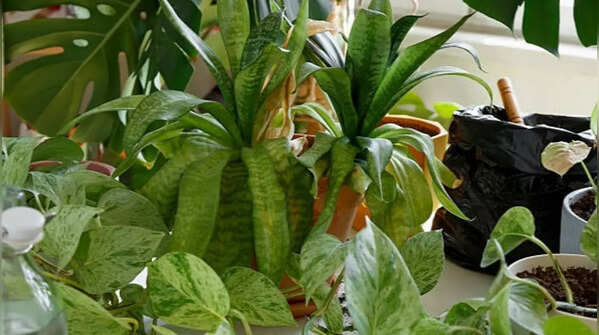
Indoor plants as cooling elements
Natural vegetation is known to create a favourable microclimate in houses. Among various indoor plants, experts recommend using the Areca palm plant. This plant increases indoor air humidity and makes breathing easier. Additionally, indoor plants cool air as they evaporate water from their leaves, thus decreasing room temperature and reducing the risk of dry air and dustiness in the living space.
Thermal insulated curtains
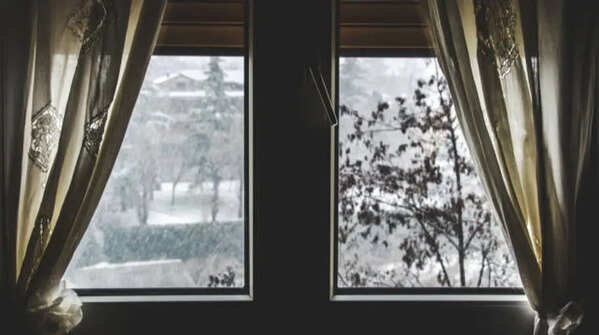
Thermal-insulated curtains can efficiently block sunlight from entering houses and, hence, reduce room temperature. Blackout curtains are often used as thermal barriers that ensure better temperature control during the hottest time of day. They prevent overheating of rooms and avoid direct sunlight exposure that might damage household items. For this reason, it is recommended to use lighter colours to facilitate heat reflection indoors.
Water cooling methods in houses
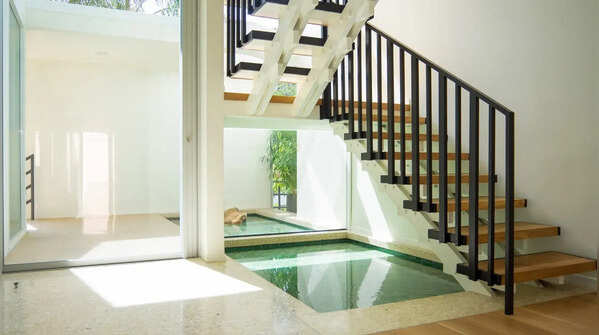
Water elements have been used for creating a cooling effect since ancient times. Small indoor pools, water fountains, and bowls ensure the evaporation process, thus helping to increase humidity in the room. Evaporation of water takes heat from the surrounding air, thus creating a cooler indoor environment. Thus, modern houses incorporate small water features that help to achieve a cooling effect and improve the aesthetics of homes at the same time.
Landscaping solutions to cool homes
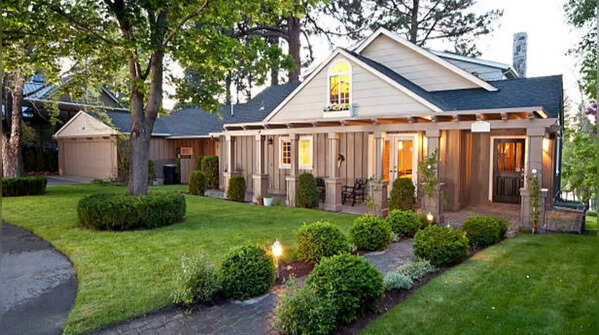
Outdoor landscaping plays an essential part in reducing room temperature because it prevents overheating of buildings. The installation of trees, bushes, and creepers reduces direct sunlight absorption and helps to prevent excessive heating of buildings. Green walls and balcony coverage create natural insulation and help to minimise indoor temperature. In this regard, experts claim that proper landscape planning could reduce room temperature by several degrees.
Featured In lifestyle

