
6 forgotten village foods that were naturally high in protein
6 forgotten village foods that were naturally high in protein
Protein has become one of the most talked-about nutrients today, with supermarket shelves packed with protein bars, shakes and fortified snacks. Yet long before nutrition marketing existed, traditional village diets were already supplying this essential nutrient through everyday foods. Experts generally recommend that healthy adults consume around 0.8 grams of protein per kilogram of body weight each day, though individual needs vary based on age, activity levels and health goals. Across rural India, simple staples such as roasted legumes, fermented dairy and pulses helped meet those needs naturally, affordably and sustainably. Here are 6 such forgotten village foods that were naturally high in protein.
Sattu
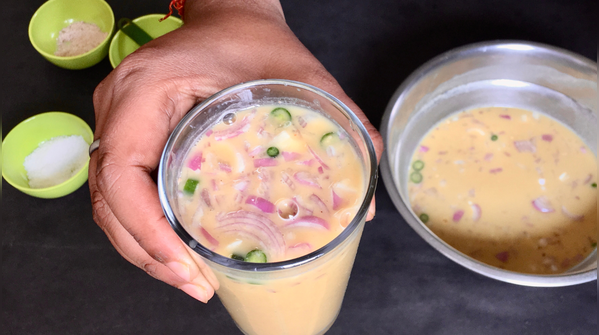
Before protein powders became a market, sattu was already doing the job in many homes. Made from roasted gram flour, it was mixed into drinks, stuffed into parathas, or simply stirred with water, salt and lemon for a fast, filling meal. Modern nutrition coverage still points to sattu as one of the most protein-rich traditional Indian staples.
Roasted chana
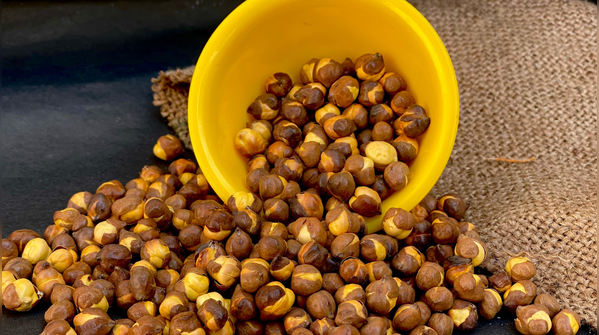
Roasted chana was the original pocket snack: cheap, portable and deeply practical. In villages, it was the kind of food people could carry to the field, chew between chores, and keep going on for hours. Recent nutrition reporting continues to place roasted chana among the stronger no-cook vegetarian protein snacks.
Sprouted moong
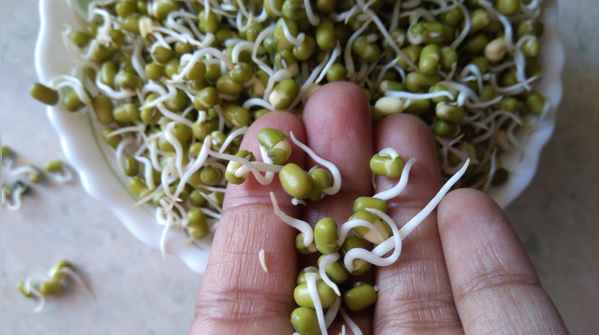
Sprouted moong had a place in old kitchens because it was simple, fresh and quick to prepare. It could be eaten as a salad, lightly spiced, or folded into a small meal with onions and lemon. That matters nutritionally too: sprouted moong is still recognized as a solid protein-rich snack in modern Indian eating patterns.
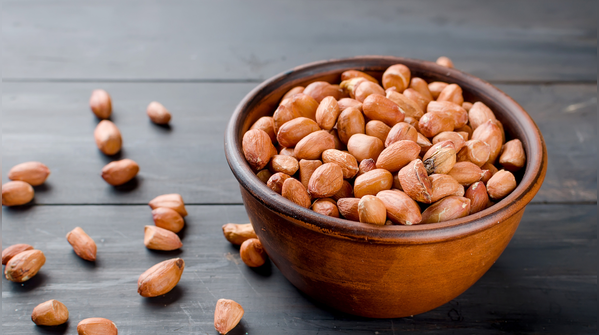
Peanuts
Peanuts were never glamorous, but they were dependable. Roasted, boiled, crushed into chutney or mixed into jaggery-based snacks, they brought both protein and satiety to rural diets. Even today, peanuts remain on the shortlist of foods that deliver a meaningful protein punch without much fuss.
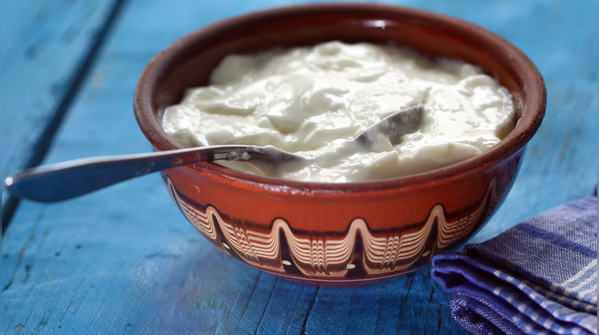
Thick curd
Thick curd was the quiet luxury of the everyday Indian meal. A bowl beside rice or roti did not look dramatic, but it added creaminess, balance and a useful protein boost. Contemporary nutrition coverage still lists thick curd or Greek-style yogurt as a strong protein choice, especially for people who want something simple and light.
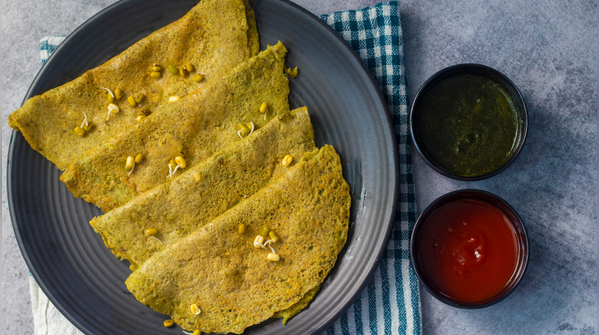
Moong dal chilla
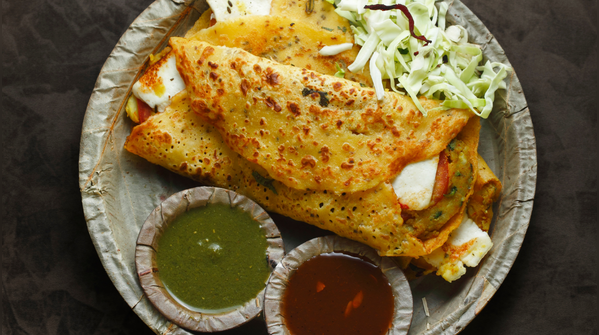
Moong dal chilla is a reminder that “old” does not mean outdated. Soaked lentils, ground and cooked on a hot tawa, made a breakfast that was practical, filling and naturally protein-forward. It belongs to that vanishing category of village foods that fed people well without ever needing a branding campaign.
What makes these foods interesting is not just their protein content. It is the way they fit into daily life: inexpensive, seasonal, local and easy to repeat. Long before nutrition science started chasing trends, village kitchens had already built a system around foods that kept people full, steady and working.
Featured In Food

